
People’s life savings ‘must be protected at all costs’
Industry experts are united in their concerns over the controversial practice of deposit flicking.
ONE of the hottest topics for conveyancers and real estate agents is what has become known as “deposit flicking”.
That’s the controversial practice where a buyer’s property deposit is either moved from an agency’s approved trust account to a third party to hold until settlement, or sent straight there.
It may be marketed as a way of reducing admin costs, cyber-fraud risk and AML compliance.
Sounds good but questions have been raised about who is accountable for the money and whether it is legally protected.
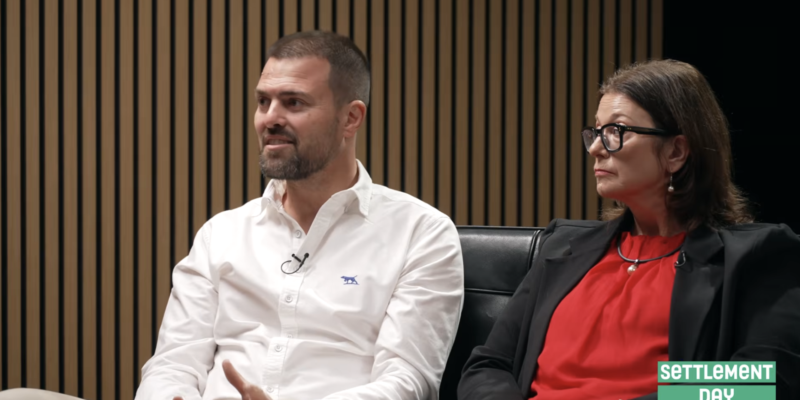
Australian Conveyancer invited three industry leaders to discuss the matter in it’s Settlement Day podcast, released today.
australianconveyancer.com.au/podcasts
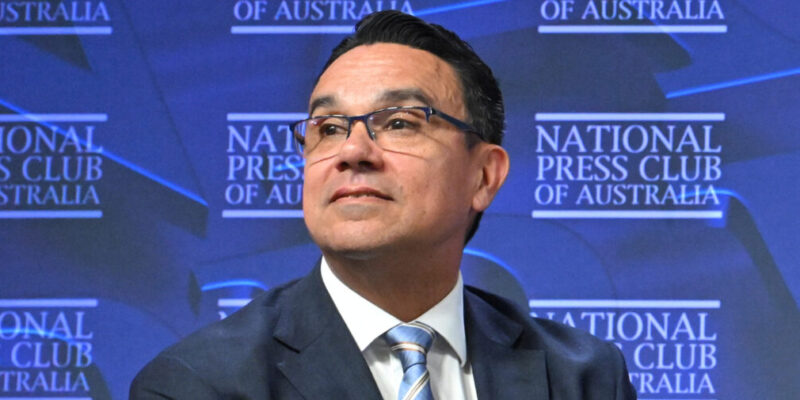
They were Australian Institute of Conveyancers NSW president Jennie Tonner, law firm Dott & Crossitt principal Jared Zak and Real Estate Institute NSW chief executive Tim McKibbin.
Each is opposed to the practice and united in calling for regulatory oversight.
Tonner said buyers are often unaware their deposit has been redirected to a third party.
“That is someone’s life savings there,” she told Settlement Day host Angelique Opie. “It must be protected at all costs.”
Both the AICNSW and REINSW have warned members against the practice.
“It’s contractually flawed,” said McKibbin, “because you would need, at minimum, the consent of the purchaser.”
All three called onsState-based Fair Trading and Consumer Affairs departments to act quickly.
“We want to make sure it’s addressed early,” added McKibbin, “before it goes bang. And it will, eventually.”
A major concern is a belief that agents can avoid the burden of AML/CTF compliance by deposit-flicking.
Not so, according to AUSTRAC, which said an agent can’t contract out of their AML/CTF obligations.
“You can’t outsource your responsibilities,” said McKibbin. “It stays with you.”
Another issue: who benefits from the interest earned? Who is holding the cash – potentially a billion dollars or more?
Opie asked: “What happens if this third party goes bust? What safety nets are there?”
McKibbin said: “None. None.”
“No-one’s insuring a billion-dollar deposit,” Zak said.
“That’s terrifying,” added Tonner.
They agreed, pending official clarification, that agents and conveyancers should seek guidance from their peak bodies.
But consumers, too, need education lest they rush into a transaction.
“They don’t want to know about all the paperwork,” Tonner lamented.
“They just want it done. And that’s what we’re finding very challenging.”
In a related development, Tonner said some third party deposit-holders may be offering clients short-term loans to pay for marketing and styling.
“They’re sort of using the property and the parties to their advantage,” she said.
“If they are doing this, they’re not allowed to under both the Property, Stock and Agents Act and the Contract for Sale legislation.”
Zak agreed, saying deposits are being used to leverage adjacent services.
“A trust account is an obligation,” he said, “it’s not a profit centre. But with this phenomenon, I can see that principle eroding away.”