
Still plenty of headaches ahead for the Reserve Bank
Economic expert says 'the broader background highlighted in the Governor’s statement is of demand outstripping supply'.
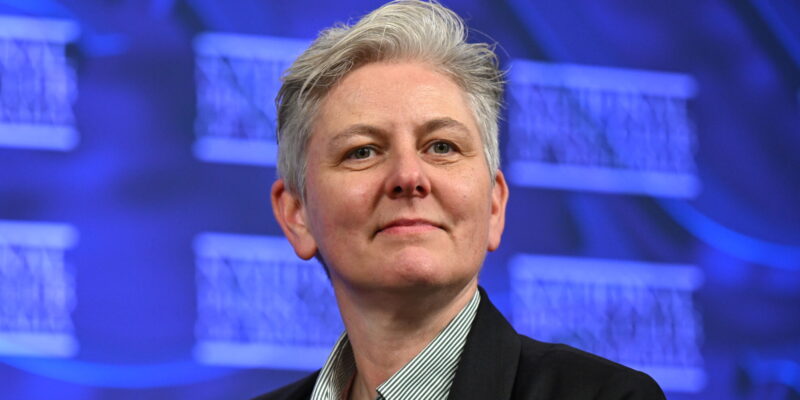
A LEADING economist believes the Reserve Bank is concerned about “upside risks to underlying inflation” moving well into next year.
Westpac chief economist Luci Ellis said the RBA can now point to the emergence of some of the risks to inflation it warned of in August.
“The post-meeting statement from the RBA last week was notable for its emphasis on the Middle East conflict,” Ellis said.
“It was noting that ‘global energy prices are now much higher than had been assumed in the August forecasts’. ‘Much higher’ is stronger language than one normally sees in an RBA statement.
“The RBA’s liaison indicates that firms are passing this on or planning to do so. The pass-through was characterised as partial and additional to domestically driven inflation arising from capacity pressures.
“We read this as implying that the RBA is concerned about upside risks to underlying inflation in Q4 of this financial year, as well as Q3.”
Ellis said the RBA is also wary about pressure on both construction costs and retail prices of IT goods arising from the AI/data centre boom.
“Although in the media conference, the Governor clarified that risks there were building rather than materialising.
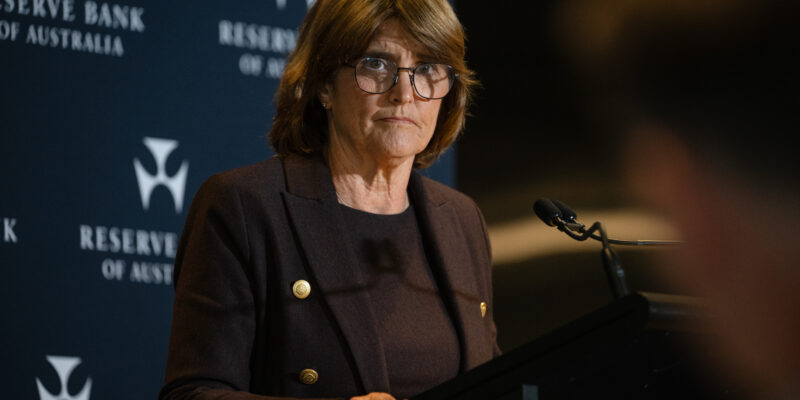
“The broader background highlighted in the Governor’s opening statement to the media is of demand outstripping supply.
“The statement evidenced this by noting the stronger July CPI and June quarter GDP results than expected.
“It was notable for the absence of language about the labour market being a little tight, despite this being the inter-meeting message from the Governor and other staff.”
Ellis said views clearly differ on this.
“We note that the Treasury forecasts underlying the May Budget and the recent Intergenerational Review imply more spare capacity in the labour market and faster growth in potential from wherever the starting point is (higher productivity growth and trend increase in participation).
“Instead, the post-meeting statement characterised the labour market as easing “broadly as expected”, despite the unemployment rate already rising higher than the August SMP forecast of 4.5 per cent for the December quarter.
“With upside risks being seen to have emerged, the post-meeting statement language included that the Board ‘will continue to do what it considers necessary to bring inflation sustainably back to target, including increasing the cash rate target further if needed’, a small but meaningful change from the ‘if upside risks materialise’ language from the previous meeting, and back to the tone of the language at the June meeting.”
Ellis said a November interest rate hike is now the base case, absent a lasting resolution of the Middle East conflict beforehand, or some other event that significantly lowers the outlook for energy-related costs in Australia.
“The bar for hikes beyond that is much higher, given the cumulative rise in interest rates, and noting that the labour market is easing and the housing market will likely weaken further,” Ellis said.
“We continue to expect Q3 trimmed mean inflation around 0.9 per cent for the quarter, too high for the RBA’s comfort, and upside risks for Q4.”