

Supporting industrial land must be critical point in state Budget
Property Council calls for NSW Government to ensure an improved supply of industrial land moving forward.
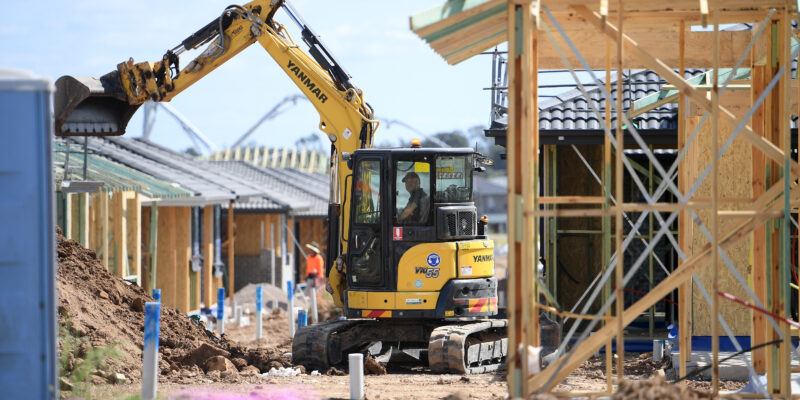
ENSURING there is enough development-ready land to enable improved housing delivery should be part of the NSW Budget to be handed down in June.
The Property Council of Australia said the NSW Government’s 2026–27 Budget must protect industrial land supply and freight productivity, as serviced industrial land in Greater Sydney nears exhaustion and vacancy remains at critically low levels.
Property Council NSW Executive Director Anita Hugo made the call ahead of the Property Council’s NSW Industrial and Logistics Outlook in Sydney on Tuesday.
“This Budget can shift the focus to delivery of a credible pipeline of serviced, development-ready land,” Hugo said.
“Serviced industrial land is essential to keep supply chains running, support housing delivery and maintain the state’s competitiveness.
“The Budget should back the Government’s Industrial Lands Action Plan to deliver real serviceable supply, protect freight precincts and provide transparent reporting,” she said.
The Property Council’s 2026–27 Pre-Budget Submission calls for NSW to fund an updated Employment Lands Development Monitor (ELDM) to inform infrastructure investment and safeguard economic productivity.
This will be alongside refreshed housing data and population projections and expand the remit of the Investment Delivery Authority to include high-value industrial and logistics projects.
Building on its submission to the draft Statewide Policy for Industrial Lands, the Property Council says the Budget should also fund and enable a stronger delivery framework.
This would include automatic state-significance triggers near ports, intermodals and key areas around nationally and state significant infrastructure.
It calls for integrated infrastructure planning and funding at the outset of rezonings to support timely delivery of genuinely development‑ready land.
Annual public reporting on ELDM metrics, Employment Lands Development Program (ELDP) delivery, rezoning progress and years of development-ready supply by region is important.
And a model development control plan (DCP) to enable multi-level industrial development with clear design requirements and to review caps and curfews on development where appropriate safeguards are in place should be prominent.
Hugo said the Property Council also supports more multi-level industrial development where land is scarce, along with the review of caps and curfews where appropriate.
“These are the sorts of measures that make the policy real. Industry can plan and invest when the rules are clear and the servicing pathway is credible.”