

Victoria must do more to lift home construction
Expert says the state government needs to continue to initiate significant reforms and tax cuts.
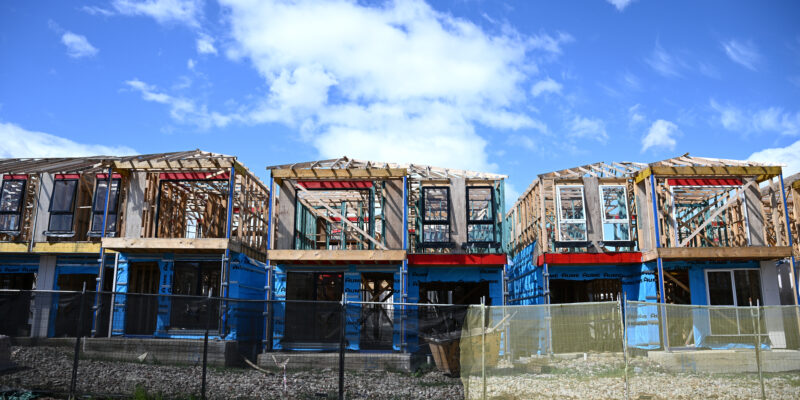
HOUSING reforms in Victoria are showing positive signs but much more needs to be done to lift the state out of the “middle of the pack” doldrums.
This is the view of the Housing Institute of Australia – Victoria executive director Keith Ryan, who is calling on the state government to be more proactive with housing plans.
“Some substantial planning reforms have been proposed or adopted in Victoria in the past 12 months,’’ Ryan said.
“HIA has received early positive feedback, for example, on the Townhouse and Low-Rise Code changes that will provide upfront certainty and streamline approvals.
“But amendments are required to further improve its implementation. The amendments that reduce the need for planning permits for single dwellings and an expanded VicSmart program for small subdivisions and second homes will also quicken administrative decisions and improve overall project timelines are also notable.
“The passing of recent planning legislation reform is also a positive but the benefits of such reform will not start to be realised until 2028 at the earliest.”
The 2026 Scorecard, which comprehensively assesses Australia’s fragmented planning systems, makes clear several ways that Victoria can improve its planning framework and provide outcomes necessary for a stable and consistent housing market.
“Despite some attempts to create ‘deemed to comply standards’, Victoria’s reliance on discretionary standards rather than streamlined, code-based approvals ensure a persistent project bottleneck,” Ryan said.
“We want to see Victoria lift its game by improving low-rise reforms with better site cover and canopy provisions and support new greenfield opportunities by finalising new structure plans.”
Ryan said Victoria could learn a thing or two from other states.
“They are showing what’s possible,” Ryan continued.
“Western Australia has streamlined approvals through expanding Development Assessment Panels and exemptions for single houses.
“In South Australia, the digital innovations for a single planning scheme and a land supply dashboard are nation leading.
“Both states are successfully driving housing supply through large-scale rezoning and land release programs.
“Critically, we also want the Victorian government to reconsider the 70/30 target for infill and growth area housing to acknowledge market demand and the industry capacity to deliver.
“Also, while HIA can see value in planning reforms for activity centres, there are increasing signs that the viability and demand for homes in these centres will not be as high as the government expects.
“The commercial viability of projects remains under pressure from taxes such as the windfall gains tax, the vacant residential land tax, the increased land taxes, the foreign buyer surcharge and more,” Ryan said.
“The viability of housing projects and especially infill is also set to worsen thanks to the proposed new inclusionary zoning developer charges, which HIA maintains should be abandoned.
“Without bolder reform and tax cuts to encourage further momentum, Victoria will continue to be a middle-of-the-pack planning performer compared to other states and territories.”