

Water, water everywhere … and then comes a rise in values
Despite flood-ravaged areas, some towns have seen house values rise since major disaster periods.
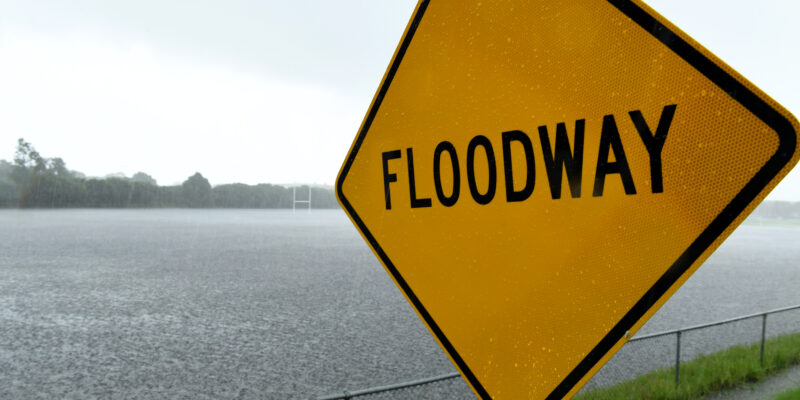
FLOOD-ravaged areas within Queensland towns have seen a major boost in house prices in the last four years.
New Cotality analysis shows flood-affected pockets within desirable coastal suburbs are recovering with significantly more momentum than inland and regional communities.
The findings come as communities mark four years since the 2022 east coast floods, one of the most damaging disaster events in recent memory.
Despite severe water damage, coastal markets in South‑East Queensland rebounded within 18 months, with values now sitting 31 per cent above pre‑flood levels.
In contrast, many inland towns in northern NSW remain below their January 2022 values, underscoring a widening gap in how different parts of Australia withstand and recover from climate‑driven shocks.
Cotality head of sustainability solutions Richard Griffiths said the findings point to national implications as extreme events ever more frequently affect communities across Australia.
“This analysis demonstrates that lifestyle-based demand remains a stronger driver of value than climate risk, even where lived experience has shown communities how significant the effects of natural disasters can be,” Griffiths said.
“Our analysis shows that communities with deeper buyer demand, stronger amenities and higher value housing stock tend to bounce back far quicker, even when they have sustained significant physical damage from an event.
“Conversely, flood-affected inland and regional areas have faced prolonged stagnation and, in many cases, values that still haven’t returned to where they were in early 2022.”
Cotality said coastal suburbs such as Paradise Point, Burleigh Waters, Broadbeach Waters and Hope Island emerged as clear leaders in recovery, with one impacted suburb recovering in as little as eight months and now sitting 32 per cent above pre‑flood values.
“Buyer willingness to accept environmental risk appears closely tied to lifestyle access, including proximity to water, employment centres and established infrastructure,” Griffiths said.
Conversely, inland housing markets such as Lismore, Mullumbimby and Ballina have experienced a much less robust trajectory.
These markets have not regained their pre-flood values and the combined inland group sits more than 5 per cent below early 2022 levels flood value, Cotality said.
“Where demand is thinner, recovery is slower. The combination of extensive damage and persistent risk of disruption in these areas isn’t compensated for by that same lifestyle demand,” Griffiths said.
“This is a national challenge. As climate events become more frequent, the gap in how Australian communities experience and recover from disaster will only widen, further exacerbating inequality between more desirable coastal communities and rural areas.
“What also remains to be seen is whether more frequent and severe natural disasters may also, eventually, start to negatively impact the rate of recovery even in premium locations.”