

Country conveyancing: surf, sun, and settlements
Conveyancing in a regional area is different to big-city practice, especially when it comes to local knowledge, staff recruitment and fees. One practitioner in the NSW Northern Rivers area tells Australian Conveyancer there are challenges … but also rewards.
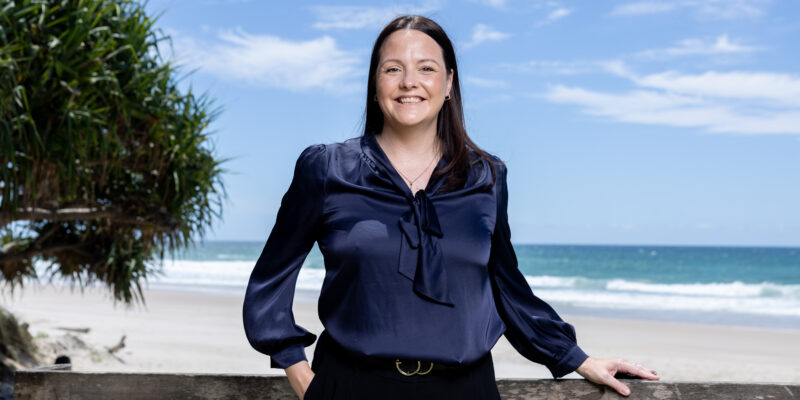
THE NSW town of Pottsville was once named Potts Point.
But, unlike the bustling Sydney suburb, this is a charming coastal town just 33km south of the Queensland border.
Roughly halfway between Surfers Paradise and Byron Bay, it’s home to about 7000
people including NP Conveyancing principal Casey Arslan.
NP is a five-woman practice handily sandwiched between two realtors on Pottsville’s
main street.
Arslan’s mother, Narelle Davis became one of the State’s first licensed conveyancers
in 1999 and founded the business in 2007.
“She started at her dining table, then found office space in Pottsville and opened a
second office in Byron Bay,” Arslan said.
Nowadays, HQ is Pottsville, but NP still retains a presence in Byron.
Arslan was working in Sydney when she came to be with her mum for maternity leave
around 2013 and “just joined the team… and stayed forever”.
An accountant, Arslan also gained a conveyancing diploma but found the practical
office experience “more valuable than the course”.
When Covid came along in 2020, “business just exploded,” Arslan said.
“There was a huge number of people coming from Sydney and Melbourne seeking a lifestyle change.
“They didn’t want to be in the city lockdowns, and they found they could work from
anywhere.”
Local flooding in 2022 brought a slowdown “but I feel the market is moving
again”.
Being close to the border brings special challenges because Queensland has no
licenced conveyancers (it’s done by solicitors) and clients might not appreciate the
work involved in NSW.
“Perhaps there are not as many disbursements (in Queensland), not as many documents, so they come across the border and it’s a bit of a shock.”
Regional conveyancers also need specialised local knowledge.
“We deal not just in standard houses and units but high-end properties and massive acreages,” Arslan said.
“Then there are dwelling entitlements, easements, existing carriageways, access
across Crown land and forests.”
Arslan is aware of the coming Tranche 2 AML/CTF regime and the added burden of
compliance.
“If the government’s expecting us to do all these things, there needs to be a lot of
support,” she said.
“I’m not panicking but I am concerned about how I’m going to explain it to my
clients. I mean, we get a lot of push-back just asking for people’s ID sometimes.”
Fees are a sensitive issue.
Arslan recently raised her flat fee to $1700 plus GST, a modest price and only the second hike in two years.
But she wonders if that properly reflects the experience within her office.
“When you have people with 15, 20 or 40 years of experience, that really should be valued.”
Then there are overheads like office space and staff costs that competitors working
from home might not have.
Finding qualified staff can be difficult in a regional area.
“There aren’t thousands of conveyancers and paralegals we can choose from,” Casey adds. “And if they have to drive 30 or 50km to work, that’s a pretty big ask.”
She continues her mother’s tradition of mentoring graduates but wishes there were
government incentives or financial support, as with some apprenticeships.
When Arslan’s lease came up recently, she considered whether to downsize but
decided to keep her shop and team intact.
“I’m kind of happy where I am,” she said.
“I like coming to the office and that clients can just pop in.
“I’m lucky and grateful to live where I do. It’s beautiful here.”