
Despite cost of living woes, Aussies are still spending
Household expenditure rose during February due to a number of factors, especially discretionary spending.
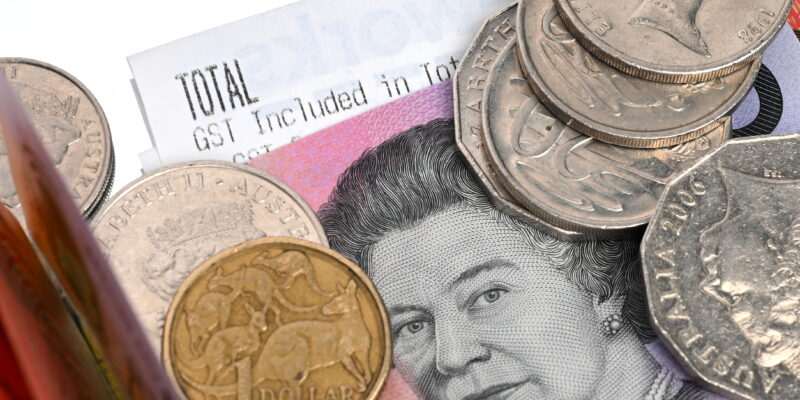
Household spending rose 0.3 per cent in February 2026, according to seasonally adjusted figures released this week by the Australian Bureau of Statistics.
This follows a rise of 0.3 per cent in January and a fall of 0.5 per cent in December.
Household spending over the year remained high in nominal terms, up 4.6 per cent compared to February 2025.
Tom Lay, ABS head of business statistics, said: “Discretionary spending rose 0.5 per cent in February, driven by recreational and cultural activities for concerts and musicals as well as higher spending on air travel and accommodation services.”
Some of the rise in spending on concerts and musicals reflect advanced purchases of tickets for future performances.
“In the household spending indicator, this activity is recorded as spending at the point of purchase rather than when the service is consumed,” Lay said.
“Households also spent more on essential items, with food spending up 1.0 per cent, further contributing to overall household expenditure.”
Transport spending fell 0.4%, driven by lower spending on operation of vehicles and partly offsetting the rise in household spending.
“This was largely due to lower fuel prices during the month prior to the Middle East conflict, which reduced household expenditure on transport,” Lay said.
Household spending rose in six out of the eight states and territories in February.
Northern Territory recorded the largest monthly rise (+3.4 per cent), followed by Western Australia (+0.9 per cent) and South Australia (+0.6 per cent). Tasmania recorded the largest monthly fall, down 0.3 per cent.