
Anzac Day: Forgotten conveyancer a WWI ‘standout’
Gustave arrived from Italy as a child and then rose the ranks of conveyancing and the military in stellar career.
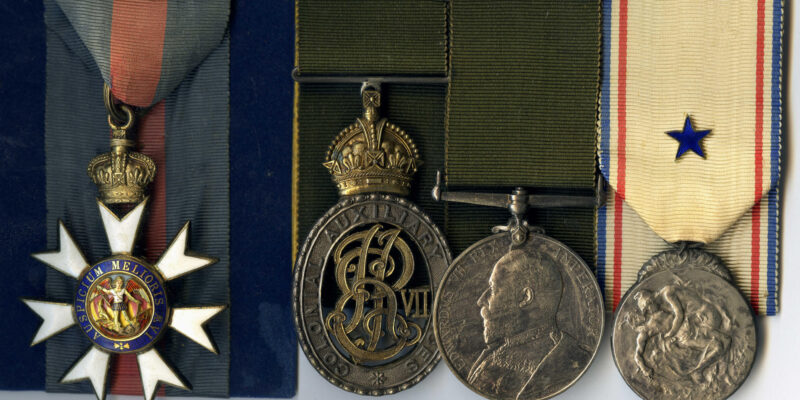
Anzac Day offers the chance to spotlight a lesser known Australian war hero – conveyancer Gustave Mario Ramaciotti.
From Italian immigrant and Sydney conveyancer to Australian Army Major General, Gustave Mario Ramaciotti’s life was anything but typical.
Born in 1861, Ramaciotti arrived in Queensland from Tuscany as a child, going on to join the many legal workers across Australia who served in World War 1.
While John Monash and Harold “Pompey” Elliott are among the most well-known Australian WWI commanders with legal backgrounds, Ramaciotti’s story is also a standout.
After rising through the ranks of Minter, Simpson & Co – now MinterEllison – Ramaciotti became the managing clerk of the firm’s conveyancing department.
He then joined the army in WWI, serving as Second Military District (NSW) Commandant from 1915 to 1917.
Ramaciotti’s health as well as his age precluded overseas service in World War I. His duties were largely confined to New South Wales.
He participated in the mobilisation of troops in Sydney to crush an expected insurrection of the German community but this 1914 ‘Christmas Eve uprising’ did not eventuate.
In February 1917, after a few months on the retired list, he became inspector general of administration at Army Headquarters, Melbourne. He finally retired as honorary major general in March 1920.
Known for his dedication to the job, he is said to have taken it on himself to deliver news of casualties to army families, including high-profile members of the legal profession.
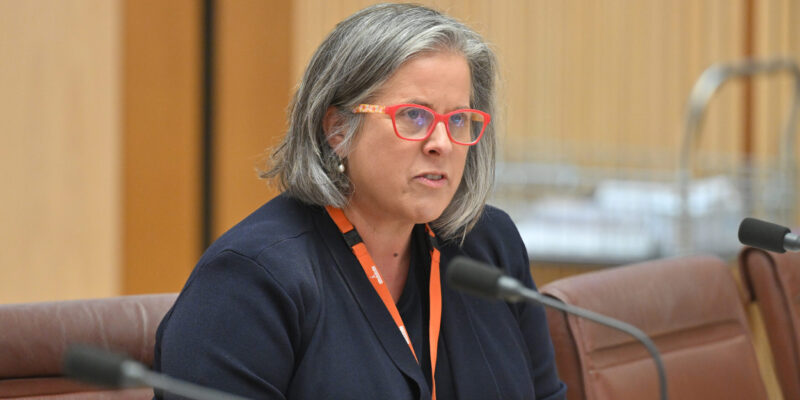
Battlefield historian Mat McLachlan described Ramaciotti as an “interesting character” who should not be overlooked alongside bigger name ANZACs with legal backgrounds.
He pointed to Monash, Elliott and New Zealander William Malone, killed in the 1915 Gallipoli campaign, as the highest-profile lawyer soldiers of World War 1 but said Ramaciotti was an important player on the home front.
According to McLachlan, Ramaciotti’s Australian-based role fitted with him being regarded, due to his legal work, as among “pillars of society, as they were back then”.
“Lawyers were obviously pretty esteemed in the community so it was seen as them doing their duty,” McLachlan, founder of McLachlan Battlefield Tours, said.
“Just about all of them served as officers and had quite distinguished careers, a lot of them were killed as well – they were a good representation of the officer class during the war.”
He said the legal community was overrepresented among those who enlisted, and died, in the conflict between 1914-1918.
Although Ramaciotti, an immigrant who climbed the legal ladder with no formal training, stood somewhat apart from this typical officer type.
In Victoria, more than 30 per cent of the state’s 800 legal practitioners volunteered, while in NSW there were 84 solicitors and 150 barristers who enlisted just from supreme court ranks.
“The interesting thing is lawyers were disproportionately commissioned as officers across the board,” McLachlan said.
“Only one per cent of Australians had a university degree at the time of the First World War and, of course, the big cadet corps that went hand in hand with the big private schools, and as pillars of the community, they were already pre-conditioned to be good leaders of men.
“We had these huge armies that were formed from nothing, so you went from a very small army to literally tens of thousands, often hundreds of thousands of enlistees, and you needed to pick officers straight away.
“When you look at that of course you are going to pick people who have university degrees.”
Post-war, Ramaciotti flourished as a businessman and theatre impresario, even going onto purchase Sydney’s Theatre Royal. He died in 1927.