
Billions in the coffers with major property tax changes
Senior economist predicts changes to negative gearing and CGT will reap massive rewards for the nation.
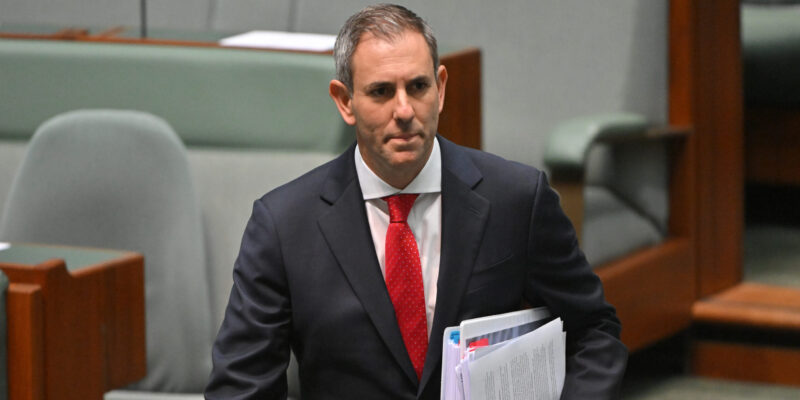
Reining in the National Disability Insurance Scheme and property investor tax breaks could save the budget $30 billion over four years, the chief economist at Australia’s biggest bank said.
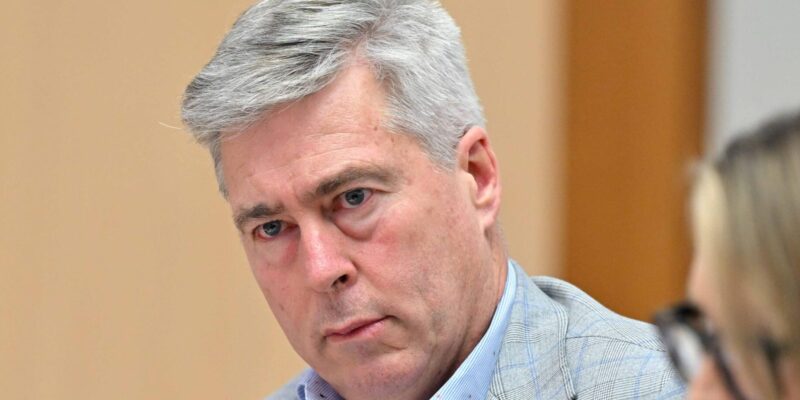
Luke Yeaman, who was a senior department official under Treasurer Jim Chalmers before switching to the Commonwealth Bank, said the upcoming Budget was shaping as one of the most interesting in a long time.
Since Labor’s huge election win in May 2025, it has been framed as a reforming Budget to fix Australia’s chronic productivity malaise and structural fiscal deficit.
The Iran war has made the task for Yeaman’s former boss even tougher, as Chalmers attempts to pull off major reform, big spending cuts, national resilience and supporting households in one budget.
The conflict has deepened the government’s inflation predicament.
The headline consumer price index soared to 4.6 per cent in the year to March, the Australian Bureau of Statistics reported on Wednesday, as the oil shock caused fuel prices to rise 33 per cent.
“We expect the government to try to thread the needle. To pull this off, they will need to meet several tests,” Yeaman said.
Firstly, spending cuts to the tune of tens of billions of dollars are needed to reduce the deficit and help cool inflation.
Already, the government has announced major changes to the NDIS, which it claims will save $35 billion over four years.
“This is a welcome and badly needed reform,” Yeaman said.
“The big question is whether such sharp cuts in spending can be delivered, especially so quickly.”
Demands from the states for more funding to shoulder taking on replacement services would test the government’s resolve, he said, predicting that cumulative savings would be closer to $20‑25 billion over the next four years.
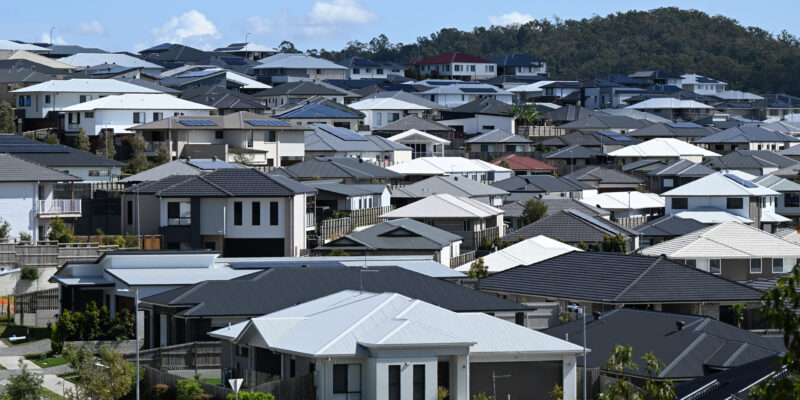
Telegraphed changes to negative gearing and the capital gains tax discount will also boost revenue, even though Yeaman expects the impact on house prices to be relatively modest.
Together, with the NDIS savings, they could improve the budget bottom line by around $30 billion over four years and $200 billion over 10 years, Yeaman estimated.
The second test of the budget would be changes that do shift the dial on housing affordability and productivity, Yeaman said.
That could look like broader business or personal tax reform, although implementing an allowance for corporate equity or a tax on gas windfall profits has been made more unlikely by the Iran war.
The third test is on national resilience and the cost of living, including lifting Australia’s fuel reserves to 90 days, in line with international standards.
“We assume that government will commit $20 billion in the Budget over five years to boost energy resilience,” Yeaman said.
“This could include a combination of increasing the domestic reserves and boosting refining capacity.”
Further support for households was also likely, but Yeaman expected the government to avoid making a big splash that would risk adding further fuel to the inflation fire and heap pressure on the Reserve Bank.
Following Wednesday’s inflation release, bond traders slightly lowered their rate expectations but still predicted two more hikes, including one at the RBA’s next meeting on Tuesday.
Citi chief economist Josh Williamson expects the central bank to follow it up with another hike in June.
Australia’s inflation headache was “about to become a migraine” with price pressures expected to persist over the coming quarters, he said.