
We hang tough despite echoes of COVID woes
Economic echoes of the post-COVID-19 period indicate global volatility will not break Australia's hunger for credit, lowering the odds of recession.

AUSTRALIAN consumers are showing resilience in the face of rising interest rates, fuel prices, and other costs, according to credit agency data.
Despite the headwinds, strong momentum in consumer activity in the first quarter of 2026 had provided a buffer to the national economy, Equifax’s Market Pulse report shows.
Mortgage demand was up 4.1 percent, compared to the same three months in 2025, while credit card demand jumped 10.4 percent and personal loan applications rose 7.9 percent.
Notably, only one month of the three followed US attacks on Iran that have led to the blockage of the Hormuz Strait, effectively halting a fifth of global crude and gas supplies and priming the global economy for a major inflation shock.
“With global uncertainty, supply chain disruptions, higher consumer borrowing rates and rising fuel prices, it is easy to suggest that we could expect to see a dramatic decrease in credit demand,” Equifax chief solution officer Kevin James said.
However, 2026’s conditions were parallel to those consumers faced in 2022 and 2023, providing some hope that Australians could avoid increased credit failure and the “mortgage cliff” as costs and interest rates rose.
The period in question encompassed the aftermath of the COVID-19 pandemic, Russia’s invasion of Ukraine, a four-percentage-point cash rate rise over 13 months, and a 7.8 percent peak inflation rate.
“The data demonstrates the resilience of Australia’s credit market, as long as factors such as unemployment remain low,” Mr James said.
The 7.5 percent increase in mortgage demand was driven by refinancing and upgrades, rather than by new entrants to the market, which slipped by 3.5 percent.
The figures indicated Australians were focused on managing their existing financial obligations, Mr James said.
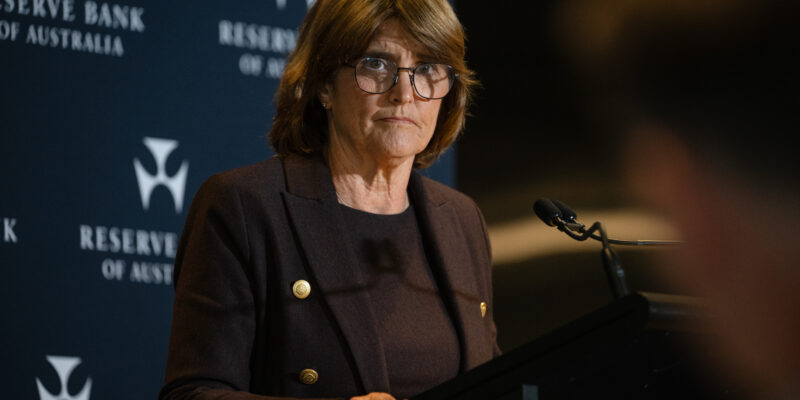
With the Reserve Bank opting to hike the cash interest rate for a third straight meeting on Tuesday, to 4.35 percent – its highest level since December 2024 – it remains to be seen whether resilience will continue into the second quarter.
Continued mortgage demand growth could suggest the property price cycle is yet to cool off, aligning with previous cycles where property prices maintained long-term average growth rates of six per cent, even in periods of tightening interest rates.
But there are signs of rising stress in personal loans, with the amount owed by Australians rising 3.1 percent over the quarter, while credit card and mortgage arrears fell.