
Credit card interest and spending still high
Comparison firm says Australians are still spending on their cards but mainly due to the increased price of many goods.
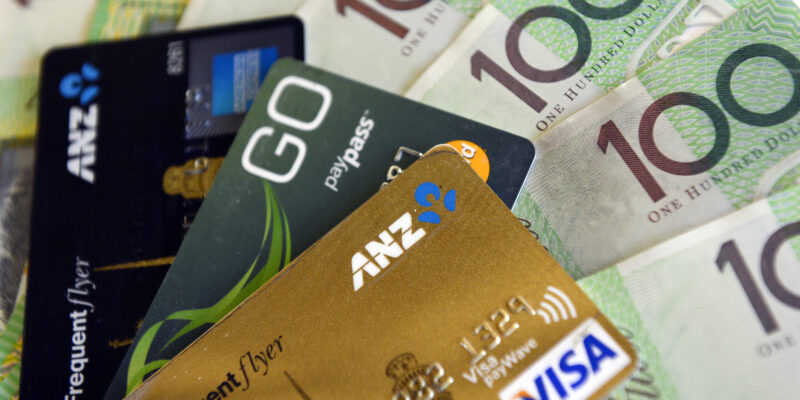
AUSTRALIA’s total credit card bill attracting interest dropped in April, despite elevated spending as a result of price hikes flowing through from the Middle East conflict.
Leading comparison platform Canstar has done analysis of the Reserve Bank’s credit card figures for April 2026.
The analysis shows credit card debt accruing interest on personal cards dropped by $288 million from the previous month, down 1.5 per cent.
At an average rate of 18.59 per cent, this drop equates to a collective saving in interest charges of $147,000 a day.
Debit and credit card spending dropped noticeably in April, on the back of the temporary halving of the fuel excise, according to Canstar.
However, it still hit an eye-watering $88.5 billion — the second-highest on record, with the highest level recorded the month before.
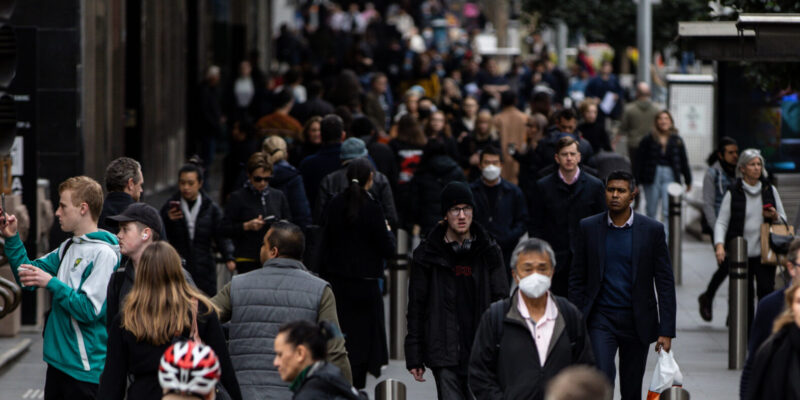
This bumper spending across March and April comes on the back of surging costs for everyday essentials driven by the war in the Middle East.
The big four banks are keeping a tight hold on the credit card market, accounting for 93 per cent of card balances held by authorised deposit-taking institutions, according to APRA’s latest banking statistics for April, released on May 29.
CBA has the largest share of personal credit cards, at 29 per cent, closely followed by NAB with a 28 per cent share.
Canstar’s data insights director Sally Tindall said: “Households appear to have regained some control over their credit card debt after a turbulent start to the year.”
“While this drop is relatively minor, it would not have been an easy feat for some households to pull off, at a time when the cost of everyday living took a sharp rise.
“What we know from past experience is that when times get tough, Australians focus on getting themselves into a better financial position to weather the storm.
“This is particularly important when it comes to credit card debt, with the average rate sitting at 18.59 per cent, making it one of the most expensive forms of debt available.”
Tindall said that while spending dipped in April, Australians still put an enormous $88.5 billion through their debit and credit cards.
“Households are still spending significantly more than they were a year ago, not necessarily because they’re splashing out, but because the cost of many everyday essentials remains elevated,” Tindall said.
“Card spending is up seven per cent from the previous year, well above the rate of inflation, but what’s interesting is that people are increasingly reaching for the debit card, not the credit card.
“The big four banks still have a vice-like grip on Australia’s credit card market, accounting for more than nine in every 10 dollars owed on credit cards across the banking sector.
“CBA and NAB are effectively running neck and neck, together holding well over half of all outstanding credit card balances, yet they are by no means offering the lowest cost cards.”