
NSW scheme ‘unblocks projects and accelerates housing delivery’
Pre-sale guarantee will 'allow more affordable housing and smaller developments to access support'.
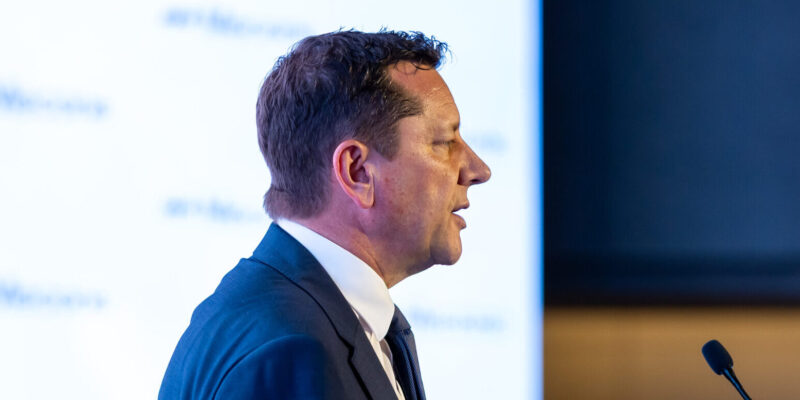
NSW planning minister Paul Scully has highlighted stretched regional housing stock as a key beneficiary from expansion of the government’s pre-sale finance guarantee scheme.
Under the scheme, launched in September, the NSW government buys off-the-plan dwellings to help developers secure finance lenders’ approval and get more builds underway.
The program, which has so far resulted in more than 600 new homes statewide, is part of moves to speed up supply in NSW in order to meet a target of 377,000 new builds by 2029.
Scully, addressing the 2026 Property Council NSW Housing Summit on Thursday, said the scheme was being widened to “better support smaller and regional housing projects”.
Changes set to benefit the regions included replacing a $5 million minimum development value with a requirement that projects include at least four homes, and increasing support for developments delivering fewer than 20 homes, the minister said.
“The pre-sale finance guarantee has already proven it can unblock stalled projects and accelerate housing delivery by giving lenders the confidence to back projects,” he said.
“These changes will allow more affordable housing and smaller developments to access support so more homes can be built faster where communities need them most.”
The updates to the program, a centrepiece of last year’s state budget, had the backing of industry, financiers and community housing providers, Scully told the event in Sydney.
“To make sure it continues to deliver great outcomes across all of NSW, we’ve made a few updates guided by feedback,” he said.
“We’re putting a greater focus on affordable housing expanding the program so it can support 100 per cent of affordable housing projects if they are worth $30 million or less and being delivered by not-for-profit community housing providers.”
The government was also lifting support available for affordable housing in larger projects, which could now get back up to $80 million, instead of the current $50 million.
“This means more affordable housing sooner to support low income workers, older people, people with disabilities and those at risk of homelessness,” Scully said.
He added that the changes would also hopefully mean less reliance on stop-gap financing like cash grants and discounted cash loans.
“They have traditionally been needed to bridge the finance gap and get these important affordable housing projects underway,” he said.