
Businesses scramble for staff as migration cuts loom
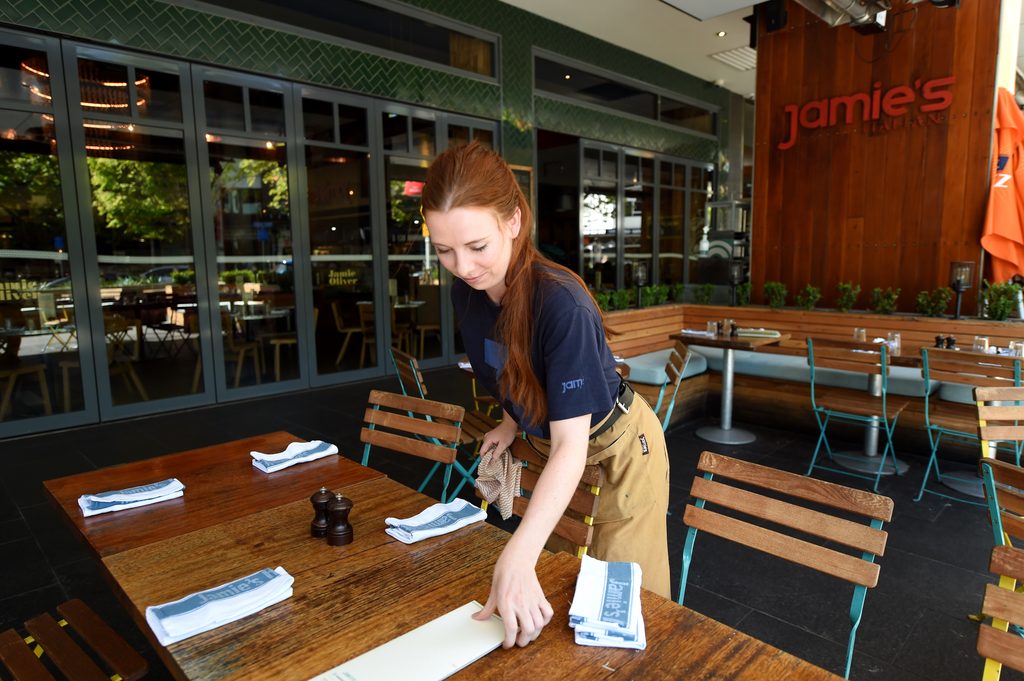
Hospitality employers say the government is cutting the sector off at the knees with a migration slowdown just as the peak holiday season approaches.
JOB ads in the tourism and construction sectors have surged, revealing the labour market is getting tighter even as the government prepares further cuts to Australia’s migration intake.
As employers ramp up for the busy summer period, hospitality and tourism job ads surged 3.6 per cent in August, a report by employment marketplace Seek showed on Thursday.
Even adjusted for the usual seasonal bump at this time of year, ad volumes in the sector were up a significant 6.2 per cent quarter-on-quarter, with demand for wait staff up 11 per cent and ads for cooks rising six per cent.
Seek’s chief economist Blair Chapman said the figures suggest firms were front-loading hiring in this financial year.
“They’re preparing for that surge in sales come Black Friday and the summer event season,” he told AAP.
“So, it’s above our normal seasonality, but it’s coming off sort of low base.”
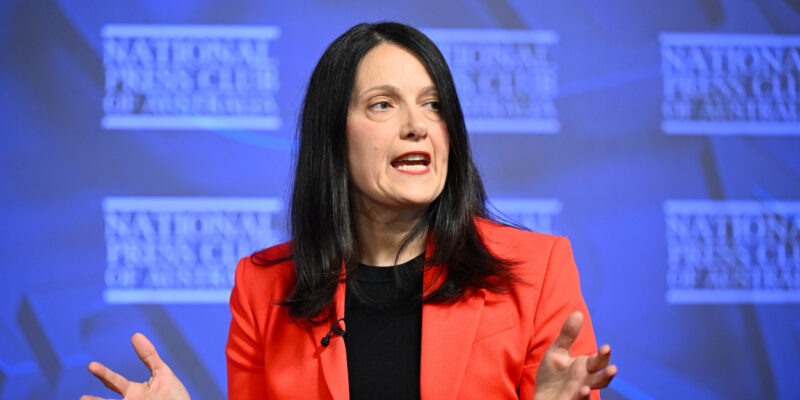
The spike in demand for jobs comes as the sector braces for Home Affairs Minister Tony Burke to announce sweeping changes to Australia’s migration settings at the National Press Club on Thursday.
Wes Lambert, chief executive of the Australian Restaurant and Cafe Association, said hospitality companies were already hurting after the government’s move in July to freeze working-holiday-maker visas, which are especially relied on by regional employers.
“We’re going into the shoulder and high season for tourism and hospitality, and they have cut the accommodation and food service industry off at the knees,” he said.
“In one month since the government has announced policy by stealth, we have seen a skyrocketing in job listings on Seek from the mid-40,000s to the mid-60,000s of open positions.”
As the housing pipeline ramps up to try meet Australia’s chronic supply shortage, builders have also faced a challenge to find skilled workers.
Construction job ads grew 10.7 per cent in the year to August.
“We do have massive house-building cycles and investment cycles,” Dr Chapman said.
“We saw a bit of a slowdown a couple of years ago, and there’s a bit of a surge again at the moment.”
Housing Industry Association managing director Jocelyn Martin said the residential construction industry was short 83,000 skilled workers.
“The solution is not moving workers from one sector to another. It is increasing the number of skilled people entering and completing trade careers,” she said.
WHAT MIGRATION CHANGES WILL BE ANNOUNCED?
* New strategies to help bring net overseas migration down from about 300,000 people in 2025 to 245,000 in 2026/27 and 225,000 people per year thereafter are expected to be announced by Home Affairs Minister Tony Burke at the National Press Club on Thursday
* Reports suggest the overhaul will eliminate students’ ability to bring family members to Australia and restrict the work rights of those on bridging visas, but no details have been confirmed; AAP has contacted Mr Burke’s office for comment
* A plan to attract better-educated, higher-skilled and younger migrants, outlined in May’s federal budget, is also expected to be hashed out
* Mr Burke was originally supposed to announce policy changes on August 4, but cancelled his speech at the last minute over cabinet disagreements
WHAT IS THE SYSTEM LIKE NOW?
* Australia’s population growth due to migration, called net overseas migration, has consistently exceeded Labor’s forecasts since it came to power in 2022
* Under heavy political pressure, the government has slammed the brakes on working holiday visas and started prioritising applications from onshore migrants
* But migrants can still game the system by appealing visa decisions via the Administrative Reviews Tribunal, which can take up to eight years, while living and working in Australian on bridging visas, critics argue
* Businesses, farmers and the health sector have long complained about staff shortages due to poorly calibrated skilled migration pathways accompanied by underinvestment in training Australians and poor workforce planning
* They have strongly cautioned politicians against chasing a desired lower net overseas migration figure without considering economic impacts
WHERE DO THE OTHER PARTIES STAND?
* The opposition wants net overseas migration to fall to about 170,000 a year, in line with housing construction
* Negotiations between Prime Minister Anthony Albanese and Opposition Leader Angus Taylor stalled in the week to September 11, meaning Labor’s changes will probably be limited to measures that do not need to pass parliament
* One Nation on Monday unveiled its own migration plan, which would temporarily turn Australia’s migration intake negative before settling it at 130,000 a year
* Industry leaders and politicians said One Nation’s proposal would run a “wrecking ball” through the economy, exacerbate workforce shortages and cause a recession