
‘Decline’: housing downturn looms
Higher rates and affordability pressures are threatening to push the housing market into a decline, with prices in the two biggest cities already on the slide.
AUSTRALIA is on the cusp of a housing market downturn as interest rates and affordability woes sap buyer demand, new data suggests.
Sydney and Melbourne are already in the early stages of decline, while price growth across the mid-sized capitals is losing momentum, Cotality’s latest Housing Chart Pack found.
Combined capital city home values rose just 0.2 percent in April, with the property analytics firm’s research director Tim Lawless warning the national market could dip into negative territory within months.
“Sydney and Melbourne are already five months into the early phases of decline, while price growth is slowing across the mid-sized capitals,” Mr Lawless said.
“Listings are picking up as demand softens, interest rates are rising, while affordability and serviceability pressures are biting.”
A significant increase in distressed sales or mortgage arrears wasn’t expected, Mr Lawless said.
It would likely occur only if a worse-than-expected housing outcome were accompanied by weaker-than-forecast labour market conditions or a larger-than-expected jump in interest rates.
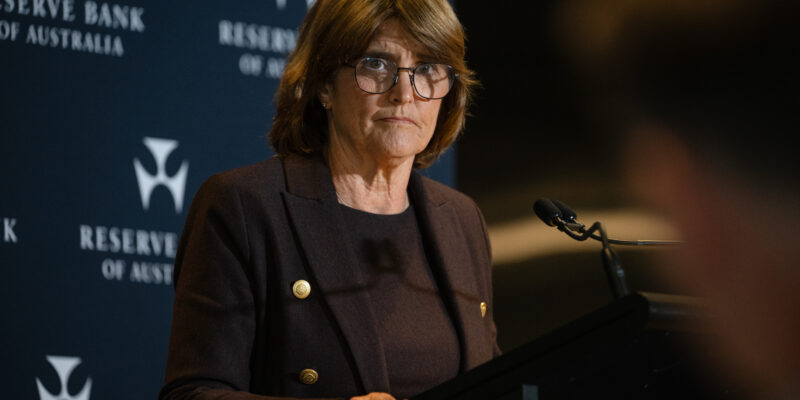
The forecast comes after the Reserve Bank lifted the cash rate to 4.35 percent, the third hike so far in 2026 that has fully reversed cuts in 2025.
Over the past four decades, Australia’s housing market has recorded 10 downturns lasting at least three months, Cotality said.
Rising interest rates, tighter lending conditions and affordability pressures are among the most common triggers.
Sydney dwelling values fell 0.6 percent in April and are now one percent below their November 2025 peak.
Melbourne prices also dropped 0.6 percent over the month and sit 2.3 percent below their March 2022 high.
Despite the slowdown, sharp differences remain across the country.
In Perth, values surged 26 percent over the past year compared to Melbourne’s two percent growth, highlighting the sizeable gap between the strongest and weakest capital-city markets.
Brisbane, Adelaide, Perth and Darwin all remain at record highs.
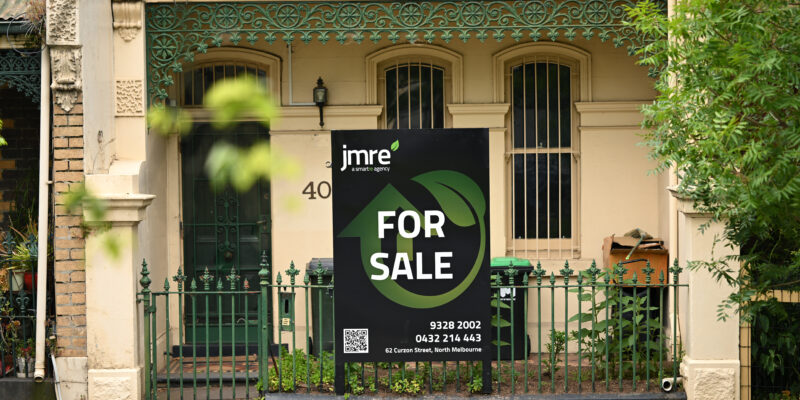
The market shift is also beginning to favour buyers after years of tight conditions.
New property listings rose to 39,319 nationally over the four weeks to early May, 4.7 per cent above the five-year average.
Despite the downturn, most homeowners remain well insulated, with values climbing by a third nationally over the past five years, Cotality said.
REA Group senior economist Eleanor Creagh agreed that April marked a “turning point”, with major capitals leading a downturn in national house prices.
“Australia’s housing market is rebalancing, with April marking a clear turning point in the cycle,” she said.
A range of factors including ongoing housing undersupply, population growth and a resilient labour market will soften any downswing, she said.