
Economic uncertainty has not affected new home sales
An industry report has shown a rise in new home sales during March despite several negative factors.
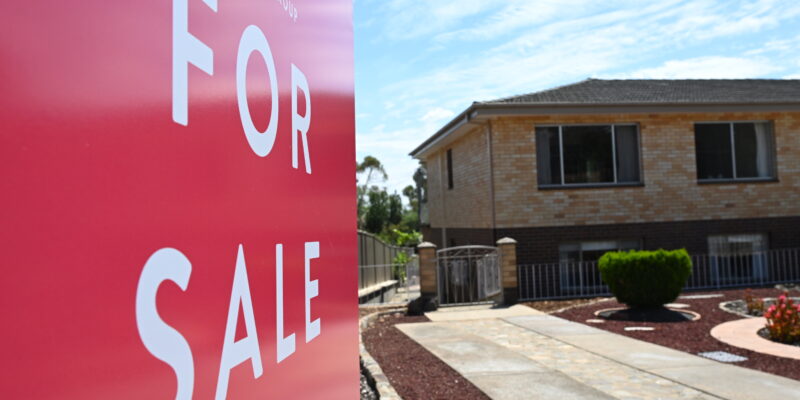
Rises in interest rates and fuel prices have failed to stop an uplift in new home sales, according to a recent report.
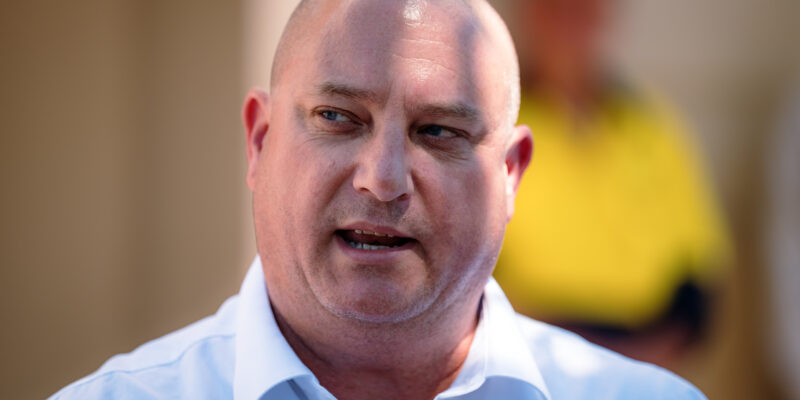
Housing Industry Association chief economist Tim Reardon said new home sales increased by 17 per cent in March.
“Sales of new homes have been increasing since early 2025 and the disruptions of the past two months have not stopped this momentum, with sales for the March quarter 31.9 per cent higher than at the same time last year,” Reardon said.
“This is a strong result given the impact of two rate increases and heightened global uncertainty.
“This likely reflects the strength of the recovery that was underway prior to the increase in rates and the strong growth in established home prices over the past year.”
The HIA New Home Sales report is a monthly survey of the largest volume home builders in the five largest states and is a leading indicator of future detached home construction.
“The growth in sales could partly reflect a growing involvement from first home buyers who are no longer required to take out mortgage insurance, although this data isn’t available through this data set,” Reardon said.
“A jump in sales in NSW and Victoria is a welcome sign given their low volume of detached starts.
“More broadly, demand for housing remains strong, supported by solid population growth and low unemployment. These structural drivers continue to underpin activity, even as borrowing costs rise.
“However, the capacity to respond to this demand remains constrained.
The rise in the cost of skilled labour and materials is expected to persist through 2026, while access to shovel ready land remains the key limit the number of homes that can be delivered.”
The report showed input costs are also emerging as a renewed risk.
“More significant is the risk that higher energy costs feed into the production of materials such as steel, bricks and concrete, which would place further upward pressure on construction costs later in 2026.” Reardon said.
By state, Queensland recorded the largest monthly increase in March, with a 34.3 per cent gain.
This was followed by South Australia (+22.5 per cent), Victoria (+19.1 per cent) and NSW (+11.8 per cent) with Western Australia the only state to see a decline in new home sales contracts (-0.3 per cent).