Hidden costs big hurdle to construction of granny flats
Government regulations hindering growth in backyard builds across the country.
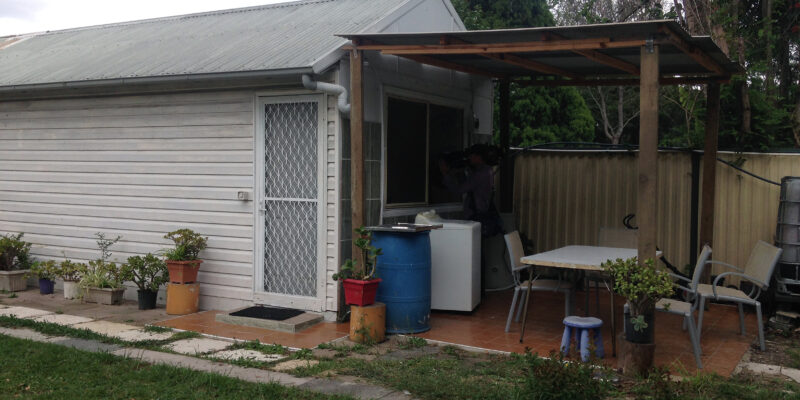
THERE is expected to be “10 times” more granny flats built in Australia this year despite being hamstrung by “inconsistent planning rules”.
Sam Heckel, executive director of planning and development at the Housing Industry Association, said demand for backyard homes is soaring.
“The growing popularity of modular homes and other modern building systems, including those now available through major retailers, proves that many Australians want quick, modern and simple ways to add density to their backyards,” Heckel said.
“As demand for diverse housing options surges, HIA’s member survey reveals that builders expect to construct 10 times more granny flats in 2026 than they did in 2022.
“This exponential growth highlights the growing demand for smaller, affordable and modular living solutions.”
However, Heckel warned the full potential of this housing solution is being thwarted in Australia by a patchwork of planning rules.
“Inconsistent regulations across state and local government lines are adding unnecessary complexity and thousands of dollars in hidden costs which often do not improve outcomes,” he said.
“We need a nationally consistent framework that allows secondary dwellings or granny flats up to 90 square metres to bypass lengthy planning queues through planning exemptions.”
HIA points to recent reforms in New Zealand as a blueprint for success, where compliance with standardised design rules triggers a planning exemption, which has empowered homeowners to build without the traditional bureaucratic hurdles.
“The Federal Government should take the lead by establishing national design standards,” Heckel said.
“By removing the need for costly, bespoke planning processes, we could unlock thousands of homes in established city suburbs and also regional areas.
“With strong demand, major retailers now offering off-the-shelf solutions and many homeowners with underutilised land, the right nationwide policy shift could deliver a rapid injection of housing supply across Australia.”