
Inflation rate rises on the back of Middle East conflict
Surge in petrol prices has seen inflation rise to highest level since 2023, prompting another interest rate hike.
Higher fuel costs due to the Middle East crisis have pushed Australia’s inflation rate to 4.6 per cent, the highest in two and a half years.
The Australian Bureau of Statistics reported on April 29 that the Consumer Price Index (CPI) rose 4.6 per cent in the 12 months to March.
That’s up from the 3.7 per cent figure recorded in February.
“Annual CPI inflation is the highest it’s been since September 2023,” said Sue-Ellen Luke, ABS head of price statistics.
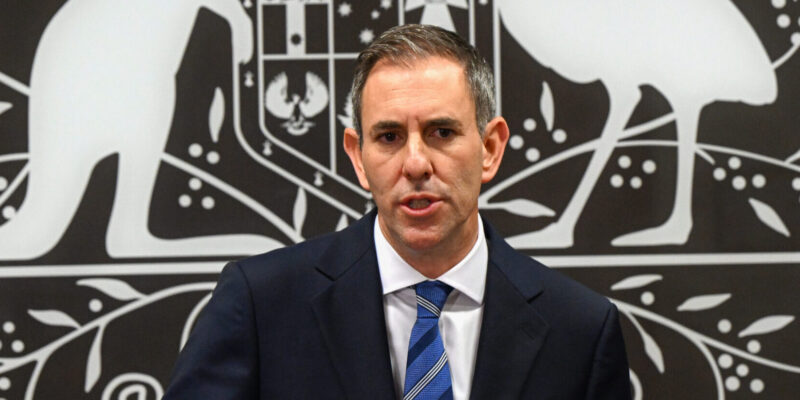
Treasurer Jim Chalmers said the latest data showed Australians were paying dearly for the war in the Middle East.
“These figures are [from] before the government’s temporary cut to the fuel excise took effect but they show why it is necessary,” he said.
“Since we halved the fuel excise, we’ve seen petrol and diesel prices fall by at least 70 cents in most capital cities and this shows how important that fuel excise relief is for the next couple of months.
“This war could drive inflation up even higher before it comes back down again,” he added.
“Treasury’s expectation is that inflation is likely to peak higher than this, but they are still finalising their forecasts ahead of the Budget next month.”
The data makes a further interest rate rise by the Reserve Bank inevitable. Any hope of a pause in May has evaporated, with lenders already lifting fixed mortgage rates.
The RBA has lifted the official cash rate twice in 2026 to the current 4.1 per cent.
It has made clear there will no easing of monetary policy until inflation is back within the target range of 2-3 per cent.
Housing was the largest contributor to annual inflation in March, with a rise of 6.5 per cent. This was followed by an 8.9 per cent rise in transport.
Transport costs took off in March, due primarily to a 32.8 per cent monthly increase in automotive fuel prices.
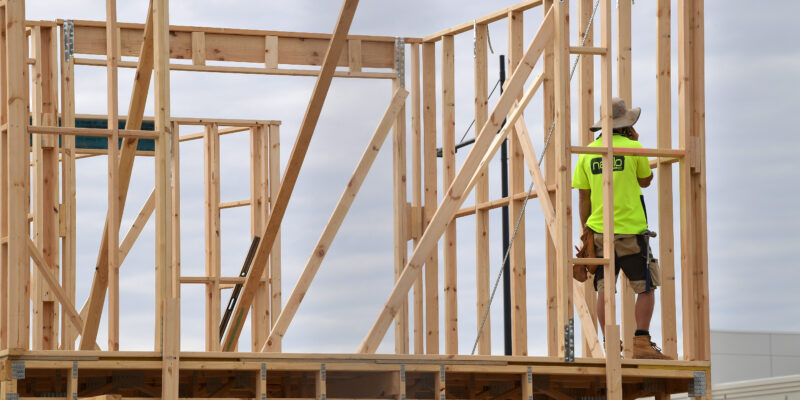
New dwelling prices climbed 4.5 per cent, up from 3.7 per cent, as labour and material costs increased.
Rents were up 3.7 per cent, thanks to low vacancy rates across capital cities.