

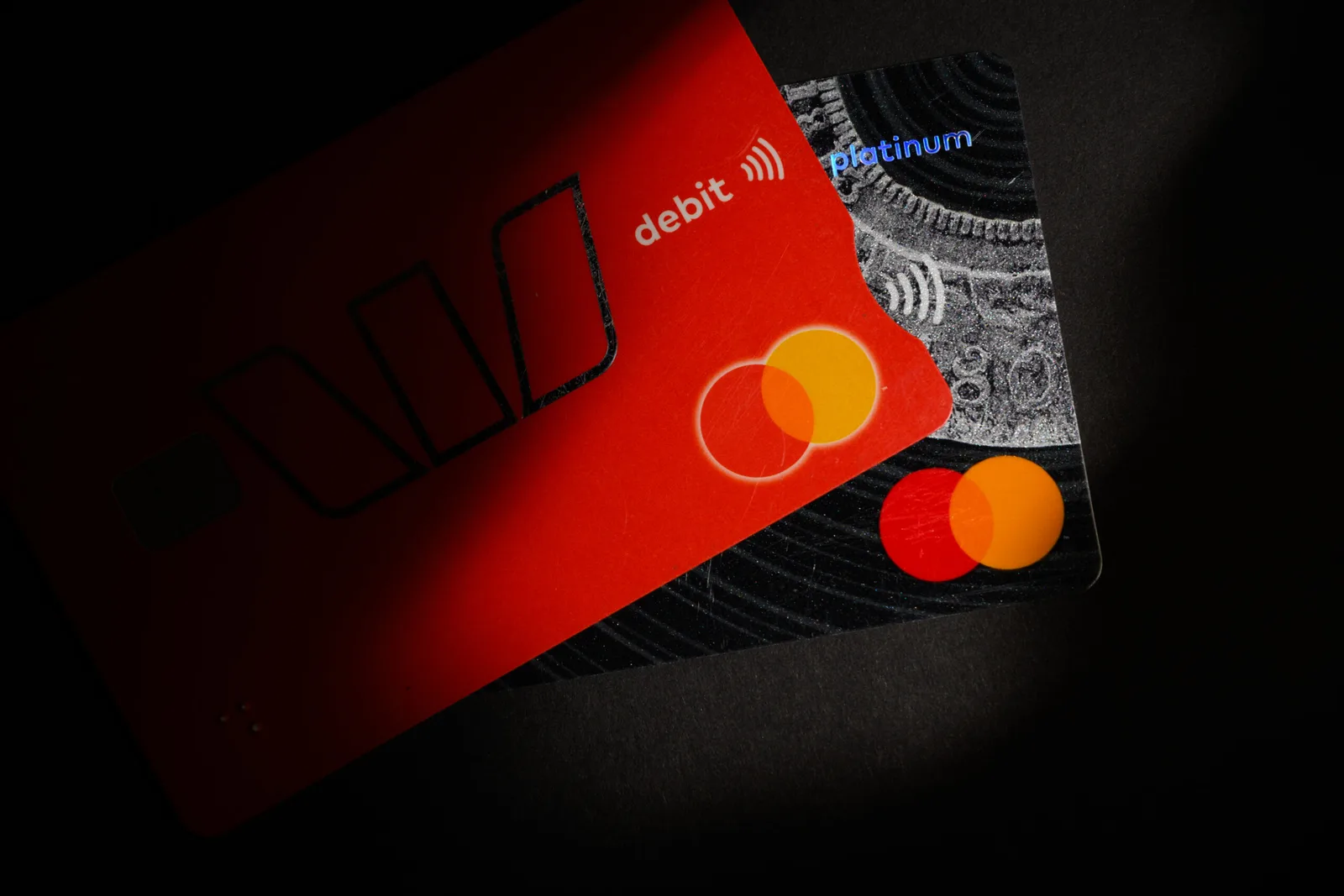
THE government has defended a messy transition period that will cost millions of dollars as it covers businesses’ card surcharges on tax payments.
The Australian Taxation Office planned to stop accepting credit card payments for tax bills from December following a Reserve Bank-led ban on card surcharges.
But the federal government announced on Friday it would cover the cost for the tax office to continue to accept credit card payments from small businesses until mid-2027 after backlash over the change.
It extended a transition period from two months to almost a year as part of the intervention.
§ Cost to taxpayers awaits mid-year budget update
But Assistant Treasurer Daniel Mulino said the exact cost to taxpayers would not be announced until the mid-year budget update, due in December.
“The costs are partly dependent on ongoing negotiations between the ATO and the credit card companies,” he told ABC Radio on Monday.
ATO commissioner Rob Heferen previously said merchant fees were expected to cost the tax office almost $200 million annually, which it could not absorb.
Asked if the government had failed to show proper oversight, Mr Mulino said conversations about the change were ongoing.
“Those conversations will hopefully yield benefits for the taxpayer,” he said.
“We heard loud and clear that small businesses found it to be an insufficient transition period.”
§ Call to stop banks charging point-of-sale fees
Labor frontbencher Kristy McBain said the Reserve Bank should go even further by preventing banks from charging small businesses for point-of-sale fees.
“These banks are making billions of dollars in profits every year, and small businesses are already paying account keeping fees and a range of other fees directly to their banks,” she told Seven’s Sunrise program.
§ Coalition criticises tax payment reversal
Shadow treasurer Tim Wilson said the about-face on tax payments showed the government didn’t understand how small businesses operated.
“The treasurer’s had to back down again after realising he didn’t understand the impact of his changes,” he said.
§ Discretionary trust tax faces coalition opposition
The government is also expected to introduce a minimum 30 per cent tax on distributions from discretionary trusts in the current sitting week, which the coalition opposes on the grounds it would impact small businesses.
Mr Wilson said there was no way for the government to protect businesses and bring in the change, particularly at a time when profits were already declining.
“The whole proposition is that they think that there are these family distributions to minimise tax and that’s not why small businesses use trusts,” he said.
Treasurer Jim Chalmers maintained his government had consulted closely with business owners.
Frequently asked questions
Why did the government extend the transition period?
What did the ATO commissioner say about merchant fees?
What affects the cost of keeping credit card payments available?
What tax change is expected for discretionary trusts?
In this story