
Next few months important in how consumer spending plays out
Senior economist says 'there is a chance that falling house prices in major capital cities dampens the consumption story a little'.
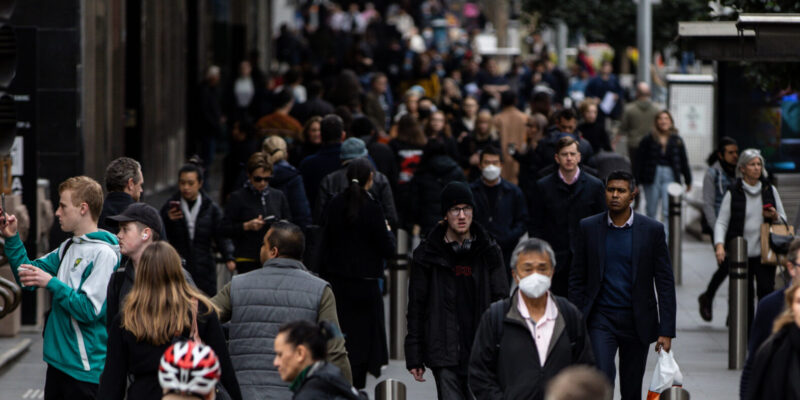
AUSTRALIANS are starting to spend more but economists warn various factors, including housing, could still determine the level of spending moving forward.
Consumer spending rose 1.2 per cent in June and 6.8 per cent over the year, while spending excluding fuel was up 1.4 per cent in the month and 7.1 per cent year-on-year, according to the latest NAB Consumer Spend Trend.
Spending rose for a second consecutive month, led by discretionary spending, the report said.
Discretionary spending increased 1.9 per cent in June, with spending rising across all categories except hospitality.
Non-discretionary spending was broadly unchanged, with higher health and education and food spending offset by lower fuel spending.
Despite the strong June result, spending growth eased slightly in the June quarter, to 1.5 per cent from 1.7 per cent in the March quarter.
Growth over the year was driven by essential spending, particularly utilities and telecoms as energy bill rebates ended. Discretionary spending grew 6.6 per cent over the year.
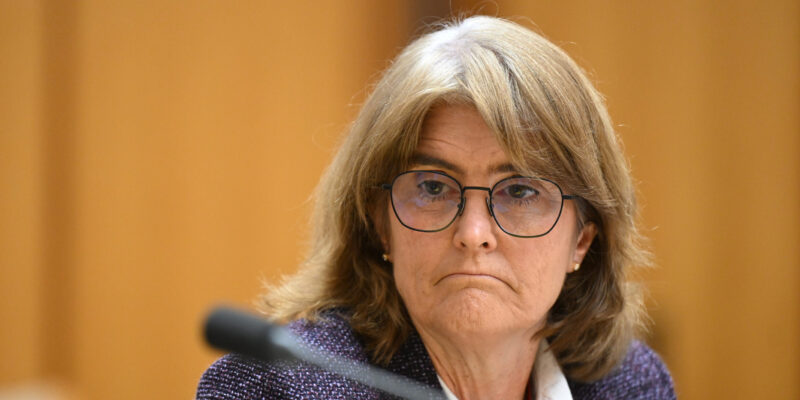
NAB chief economist Sally Auld said the June data suggested consumer spending had held up better than expected but the next few months would be important in assessing the underlying trend.
“Consumer spending held up in June and there could be a few reasons for that,” Auld said.
“There has been some support for household budgets from policy interventions, including the fuel excise cut and free or reduced public transport fares in some states.
“Retail petrol prices were lower in June, which may have also helped to support spending in the month.
“The next few months of spending data will be important, given a variety of influences at play.
“There is a chance that falling house prices in major capital cities dampens the consumption story a little and the recent escalation in the Middle East conflict may pressure petrol prices higher, which could slow discretionary spend.”
NAB expects consumer spending growth to slow over the rest of the year as momentum in the broader economy moderates.