
No roads and no sewers equal new homes shortfall
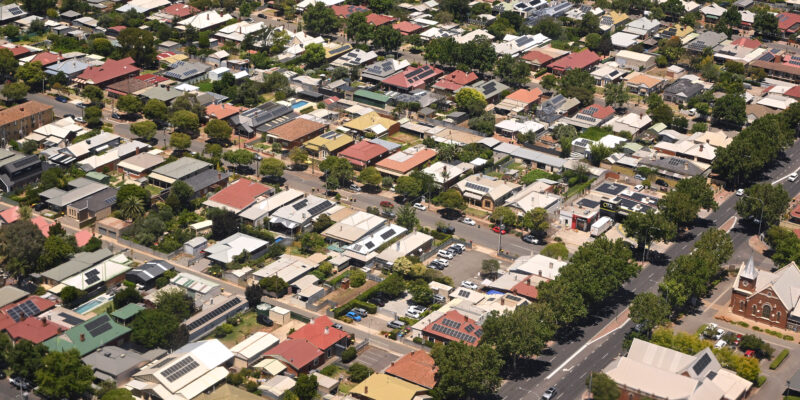
A lack of basic infrastructure across major growth areas in Australia is preventing the construction of thousands of new houses.
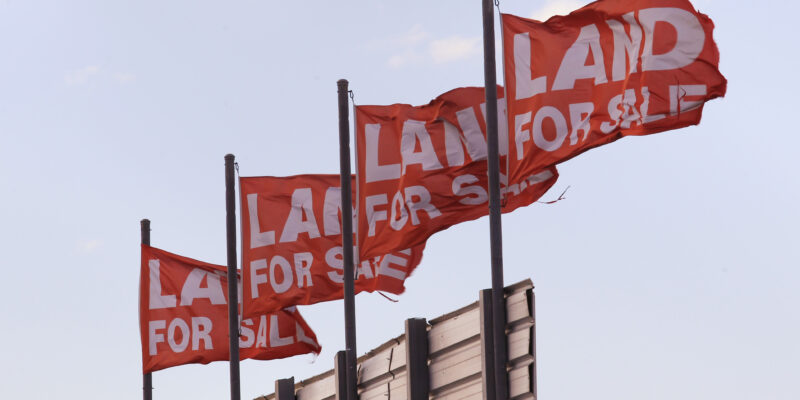
A FEDERAL Government plan to build 1.2 million new homes across the country by 2029 is under extreme threat due to a crippling lack of infrastructure.
A recent report commissioned by the National Growth Areas Alliance (NGAA) says a lack of roads and sewerage in key metropolitan council areas has led to house projects grinding to a halt.
The NGAA said 33 per cent of potential housing projects cannot begin construction without basic infrastructure, which is usually provided by State governments.
The report estimates that 82,500 dwellings in outer-suburban growth areas are currently unable to commence construction because enabling infrastructure, such as sewerage, roads and utilities, is missing.
The impact is particularly alarming in fast-growing regions, with lack of infrastructure affecting up to 47 per cent of planned builds in Greater Sydney, 45 per cent in south-east Queensland and 31 per cent in Greater Melbourne.
NGAA Chief Executive Bronwen Clark says the problem is not a lack of land, council approvals or developer interest but is a failure by governments to fund the essential works required to begin house construction.
“If enabling infrastructure is not funded in growth areas, the planned 300,000 new homes in these communities will not be built by the 2029 deadline,” Clark says.
“The shortfall will have huge implications for the current target of 1.2 million new homes laid out in the National Housing Accord.
“Growth Areas account for just five per cent of councils but are obligated by State Governments to deliver 26 per cent of new housing developments.
“That’s 310,000 new houses, over a quarter of the Federal Government’s promised 1.2 million new homes by 2029.
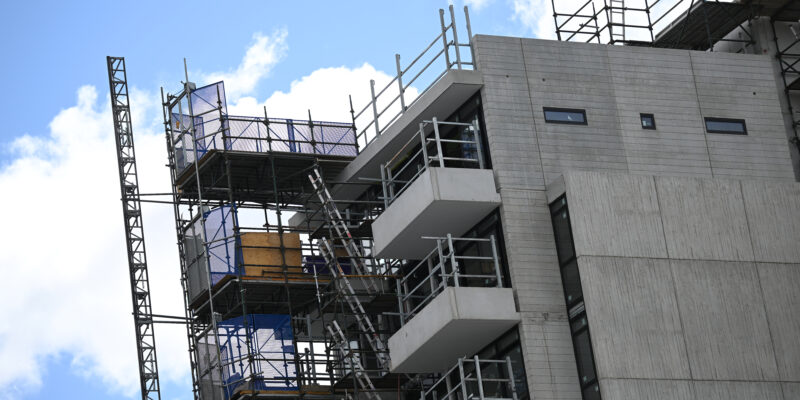
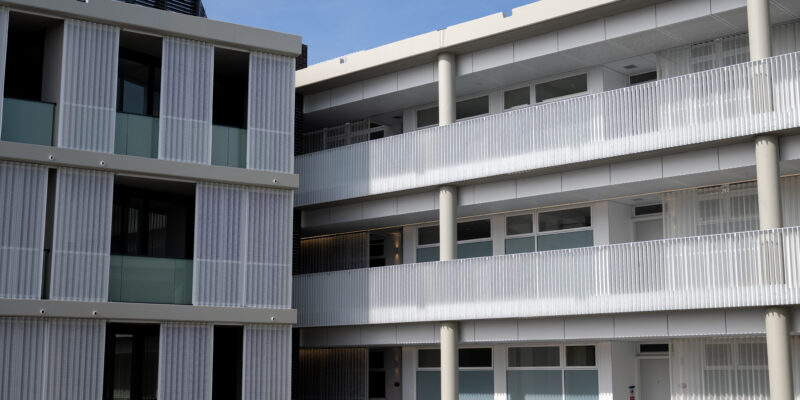
“Despite this, Federal and State Governments maintain a relentless focus on apartments and inner-city infill and densification.’’
Data shows Australia’s 29 growth area councils approve an average of more than 61,000 homes a year. Over the past five years, those councils have approved around 320,000 dwellings.
That’s roughly half of all approvals across the five capital cities.
The NGAA’s report, titled Beyond Bricks: Delivering the housing we need sooner in Australia’s Growth Areas, has established recommendations to improve the situation.
It suggests outer suburban growth areas be recognised as metropolitan regions and given priority status for housing development.
Growth areas are already home to more than one in five Australians, with the population expected to rise from 5.8 million to around 7 million by 2031.
Councillor Teresa Lynes, Chair of the National Growth Areas Alliance, said government policy fails to recognise where Australians want to live.
“Governments are operating under a false assumption that higher house prices and greater density in inner cities mean that these locations are more desirable,” Lynes said.
“However, population data shows people are choosing outer suburban communities and the Australian dream of a house and backyard.”
With only three and a half years remaining until the National Housing Accord deadline expires in mid-2029, Lynes added, there is still time to change direction.
“Growth areas are Australia’s biggest infrastructure project and housing opportunity,” she said.
“It’s time for all levels of government to work together strategically and efficiently to deliver non-negotiables, like sewerage, energy and roads, in the areas that are ready to build the homes of tomorrow.”
The NGAA is made up local councils located primarily in outer-suburban areas of Sydney, Melbourne, Adelaide and Perth.
These include the Cities of Blacktown, Penrith and Campbelltown in Sydney’s west and the fast-growing outer Melbourne LGAs of Casey, Melton, Hume, Wyndham and Whittlesea.
Councils from WA include the Cities of Armadale, Cockburn, Swan, Kwinana, Gosnells and Wanneroo, while South Australian LGAs are represented by Playford, Mount Barker and Murray Bridge councils.