The ‘obvious and easy way’ to help boost housing supply
More than 80,000 sorely needed homes cannot be built due to a lack of investment in power, roads and sewers, councils say.
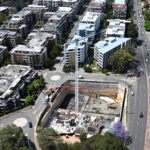

An extraordinary rise in demand combined with constrained supply has created a boom in Australian home values and rents over the past five years.
Inflation data will dominate the domestic economic dashboard, while the UK budget and New Zealand rate cuts are on the agenda abroad.
A potential reduction in US borrowing costs is giving global investors’ confidence, and that sentiment is flowing through the local stock exchange.
At a time when real estate prices are going through the roof around the country, buyers say they is still a bargain to be found in the West. The trouble is, people are catching on, so demand is causing anxious moment for buyers.
The controversy surrounding renovations to the US Presidential White House has got us thinking about the history of other global seats of power.
Australians collectively earned $1.3 trillion in pre-tax personal income for the financial year ending 2023, the latest Bureau of Statistic data has reveals. It was a 5.7% hike over the year prior. But earning the smallest piece of that was the accommodation and food service industries.
Aspiring home buyers are fleeing to the regions as falling interest rates and limited supply drives city house prices to fresh record highs.
The average prices of homes across the country have had unusually strong month, in part because of government incentives are pushing up demand.
While the national housing construction target dominates headlines, the roads, rail and critical community infrastructure need to be developed on step, peak bodies warn.