Perth is the national hot spot for home values
New research shows Western Australia still strong in growth despite interest rate hike
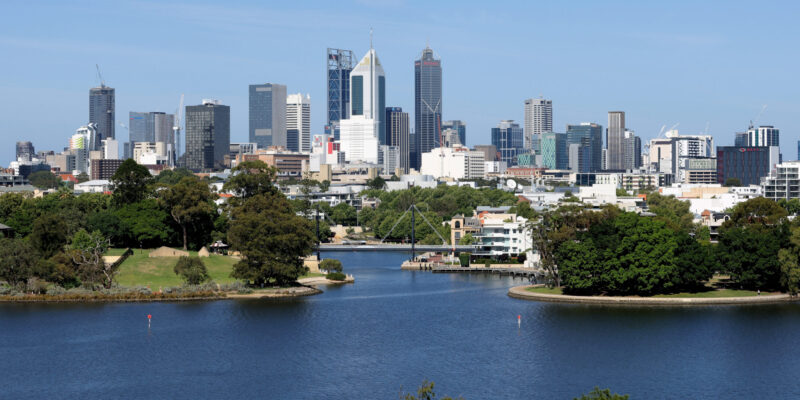
RISING interest rates and caution from buyers has failed to dampen the housing market in Perth.
The Western Australian capital has shown strong growth in home values over the last month, according to a new report from property data gurus Cotality.
In the four weeks to February 22, Perth’s home values rose 2.3 per cent, easily the strongest growth across any of the capital cities.
Perth’s home value growth added more than $22,500 to the median dwelling value over the month.
Brisbane, Adelaide and Hobart have also recorded a rise of more than one per cent in home values in February.
“Two months into 2026 and we have seen a clear divergence in housing trends, with Sydney and Melbourne values flatlining while the mid-sized capitals continue to record a solid rate of gain at more than one per cent month on month growth,” said Tim Lawless, Cotality’s research director.
Sydney and Melbourne have been less resilient to the February rate hike and the drop in sentiment, with home values flat over the month and down -0.1% and -0.4% over the rolling quarter.
“The clear slowdown in housing conditions across Sydney and Melbourne could signal an easing in growth conditions elsewhere down the track,” Lawless said.
“But, for now, the mid-sized capitals continue to see support from extremely low inventory levels, which is boosting the growth in values.”
Perth listings remained 48 per cent below their five-year average, with Brisbane 31 per cent below and Adelaide 23 per cent lower.
Advertised stock levels are also low in Sydney and Melbourne but only one per cent and 4.3 per cent down on five-year average levels respectively.
Also, Sydney and Melbourne have seen a clear pickup in the flow of new listings through February, with freshly advertised stock 9.7 per cent above the five-year average in Sydney and almost 12 per cent higher than average in Melbourne.
“Vendors are looking more motivated in Sydney and Melbourne, possibly looking to beat a further softening in selling conditions as clearance rates ease and demand slows,” Lawless said.
“If the typical seasonal pattern holds, the flow of new listings is likely to strengthen leading into Easter.”
The more affordable end of the market is still delivering some strength.
In Sydney, for example, lower quartile house values were up 0.8 per cent over the month, while upper quartile house values dropped 0.9 per cent.
The same trend, to different extents, is evident across each of the capital cities.
“There is a lot of competition for lower-priced properties,” Lawless said.
“First home buyers, investors and subsequent buyers are all competing across this sector of the market, while credit is less available across the higher price points due to serviceability constraints.”
Regional markets are showing a similar trend, outperforming the capitals across NSW, Victoria, South Australia and Tasmania, with demand more resilient thanks to lower price points and evidence of rising internal migration rates.