
Governor says RBA interest rate hike ‘right for the country’
Mortgage holders will face higher borrowing costs after the Reserve Bank raised interest rates by 0.25 percentage points in a widely anticipated decision.

THE Reserve Bank of Australia has hiked interest rates by 25 basis points, becoming the first major central bank to go from rate cuts to rate hikes following the post-COVID inflation spike.
In a unanimous decision on Tuesday, the RBA’s monetary policy board lifted the cash rate to 3.85 per cent.
Inflation was the key reason for the rise, as data and new RBA forecasts showed it remaining above its target of between 2 and 3 per cent.
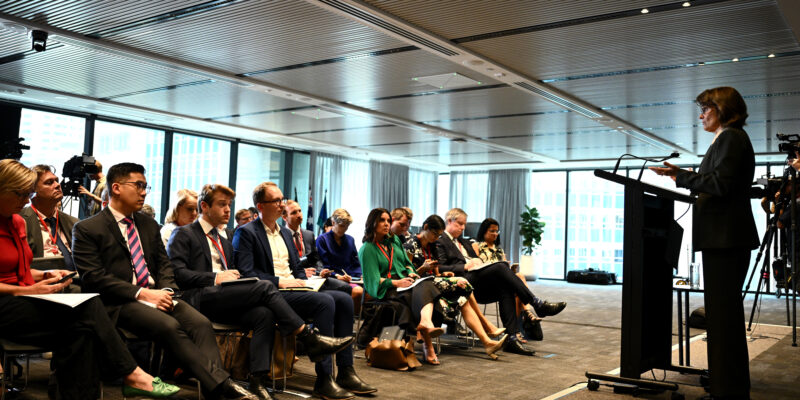
“The recent run of data gives the board a clear enough view that underlying inflation is too strong,”RBA governor Michele Bullock said.
“We have updated our assessment and outlook for the economy and conclude that the rate was no longer at the right level to get inflation back to target in a reasonable time frame.”
And keeping inflation in check is the Reserve Bank’s main goal.
“Now, I know this is not the news that Australians with mortgages want to hear, but it is the right thing for the economy,” she said.
“I do understand that for mortgage holders, this isn’t a great outcome,”
“What’s also not great for them, or for anyone else, is if inflation remains elevated because every time they go to the shop, every time they go to buy their groceries, every time they go to get personal services, medical, if inflation is high, that’s going to keep going up.”
However, Bullock declined to comment on whether there would be more rate rises.
“So could we do a lot of rate rises and bring inflation back down very quickly? Possibly, I don’t know,” she said.
“But it might have big implications for the unemployment rate and the economy.
“The bottom line is the strategy really hasn’t changed here.
“We are still trying to bring inflation down and keep employment as strong as we can, as close to sustainable full employment.”
She said other parts of the economy are doing well.
“We are actually in a really good position. The labour market is really strong and domestic demand is recovering,” Bullock said.
“These are good things.
“But it’s just that we’re supply-constrained and we think we are even a little bit more constrained than we thought a little while ago.
“The board judged that inflation is likely to remain above target for some time and it was appropriate to increase the cash rate target.”
The move was tipped by most economists and expected by financial markets, which attributed a three-quarter chance of a rate rise ahead of the decision, after inflation surged back above the RBA’s 2-3 per cent target band.
Labour force data and consumer spending were also above RBA forecasts, heightening fears that the economy was running above capacity and contributing to inflationary pressures.
But the decision was a difficult one for the Reserve Bank, nonetheless, having only cut interest rates last month in August.
After bucking the trend of peer economies by intentionally keeping rates lower for longer to prevent a spike in unemployment, the RBA becomes the first major central bank to return to interest rate rises since the pandemic.
Some economists had predicted the RBA would prefer to wait for further data, given recent monthly inflation data had been softening and strength in the Australian dollar would take some heat out of the economy.
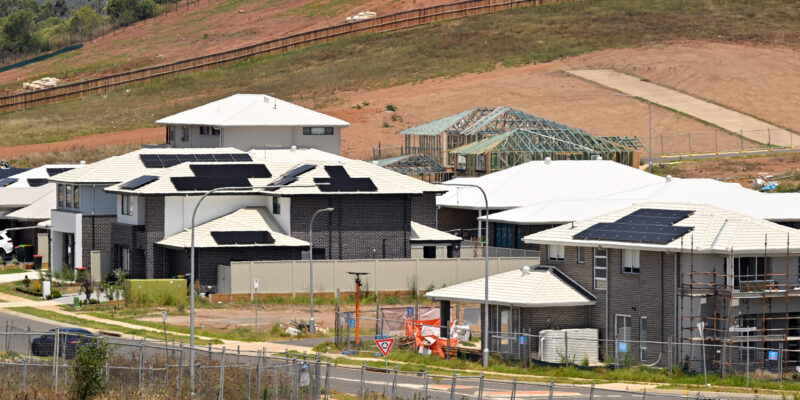
Domain chief economist Nicola Powell said while it would reduce homebuyers’ borrowing power, the hike would take some momentum out of the housing market.
A borrower with a $600,000 mortgage would see their monthly repayments increase by about $90, assuming lenders pass on the increase in full.
Attention now turns to what tone governor Michele Bullock strikes in her post-meeting press conference, with economists less sure about whether the RBA will follow the hike with further rises or make it a one-and-done affair.
In updated economic forecasts, RBA staff revised up their inflation assumptions, with core inflation expected to reach 3.2 per cent by the end of 2026, up from their November forecast of 2.7 per cent.