
Senate must make changes to ‘wrong outcome’ for housing
Peak housing body says Senate Inquiry is 'critical opportunity to correct flaws' in Budget tax measures.
The Housing Industry Association is urging the Senate to amend the Federal Government’s proposed negative gearing and capital gains tax changes, raising concerns about their impact on the housing market.
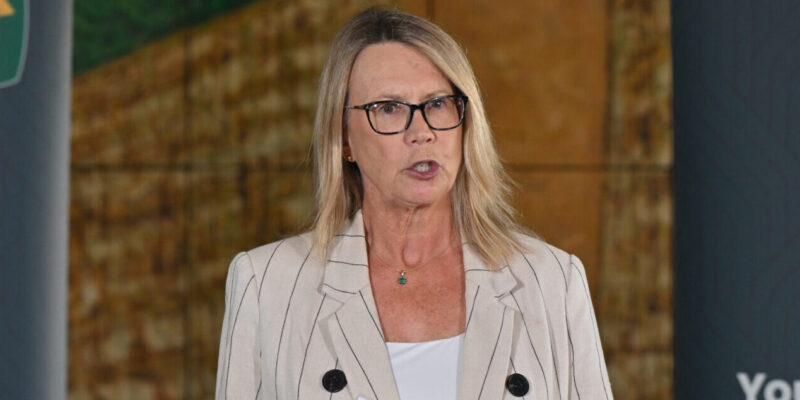
HIA managing director Jocelyn Martin said the Association continues to strongly oppose the proposed housing taxation changes, which risk discouraging investment and reduce housing supply at a time of acute shortage.
“Treasury’s own modelling shows these changes could reduce housing supply by around 35,000 homes over the next decade,” Martin said.
“That is the wrong outcome at the wrong time, when Australia is already struggling to meet its housing targets.
“While HIA does not support the taxation changes, our focus is now on making a flawed proposal more workable and minimising the damage to housing supply.”
Martin said the Association is engaging constructively through the Senate Inquiry to improve the legislation.
“A key concern that HIA will make in its submission to the Senate Inquiry is the draft legislation adopts a too narrow definition of ‘new housing,’ which does not reflect how new supply is actually delivered,” she added.
“To support supply, the legislation must capture the full range of housing being delivered in today’s market.”
HIA is calling on the Senate to broaden the definition of new housing to explicitly include:
- knock-down rebuilds;
- dual key and multi-generational homes;
- secondary dwellings and granny flats; and
- major renovations that bring homes up to modern building codes.
“If an ageing or unliveable home is replaced or substantially upgraded, that is a genuine addition to Australia’s effective housing supply,” Martin said.
“Modern homes are designed to accommodate more people, support changing household structures and make better use of existing land and infrastructure.”
HIA warned that excluding these forms of development risks creating perverse outcomes, where some housing types qualify while others delivering similar or greater housing capacity do not.
“In many established suburbs, planning rules limit higher-density development. Knock-down rebuilds and secondary dwellings are often the only practical way to increase supply.
“If these are not recognised, the policy will work against its own objective.”
Martin said the broader tax changes, including to capital gains tax, also risk dampening investor confidence and reducing the viability of new housing projects.
“Australia needs more investment in housing, not less,” she said.
“The Senate Inquiry is a critical opportunity to correct these flaws. Without meaningful amendments, these changes will reduce supply, increase pressure on affordability and undermine the stated goal of boosting new housing.”