
Unemployment rate stays steady despite Iran war risks
Nearly 18,000 jobs were added to the Australian economy in March, but economists are warning it could still prompt the RBA to hike rates again.
EFFECTS of the Iran war have not yet caused a spike in Australia’s unemployment rate, but the newest labour force figures are unlikely to lessen the chances of a further interest rate rise.
The unemployment rate held steady at 4.3 per cent in March, despite the Middle East conflict raising fears of a global recession and mass job lay-offs.
The result was driven by a 17,900 increase in employment in March, the Australian Bureau of Statistics reported on Thursday.
While economists had predicted the unemployment rate would hold steady, the number of jobs created was below expectations, with a 20,000 increase in employment.
The participation rate fell by 0.1 percentage points to 66.8 per cent, ABS head of labour statistics Sean Crick said.
The rise in new jobs was driven by a surge in full-time employment of 53,000, while part-time roles fell by 35,000.
The latest figures follow a surprise jump in unemployment from 4.1 to 4.3 per cent in February, driven by fewer unemployed people waiting to start a new job than in the same period in previous years.
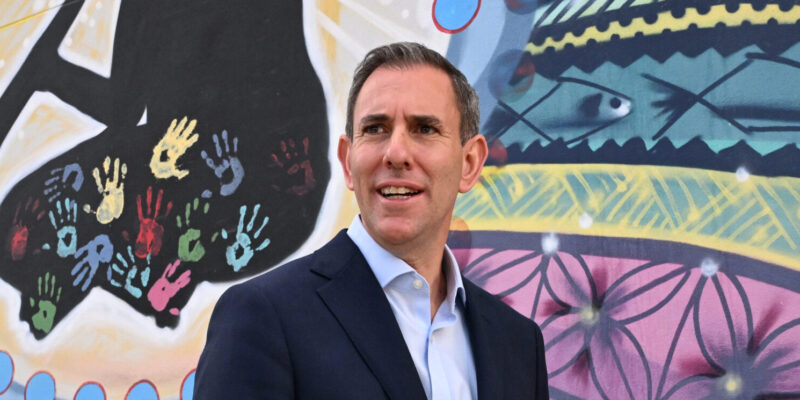
Treasurer Jim Chalmers said the figures were reassuring despite the global volatility.
“We are not immune from the impacts of this conflict on the other side of the world, but we confront them from a position of relative strength due to our resilient labour market,” he said.
“It is encouraging to see the unemployment rate remain at 4.3 per cent despite all of the uncertainty in the global economy right now.”
Oxford Economics Australia’s lead economist Ben Udy said the labour force survey, which was conducted in the first half of March, likely preceded economic impacts from the Iran war.
“Today’s data highlights that the labour market remains tight,” he said.
“It would have required a large shift in the data to alter the RBA’s thinking, given the current pressure on inflation and risks to inflation expectations.
“On that basis, we still expect the RBA to raise rates by 25 basis points at its upcoming meeting in May.”
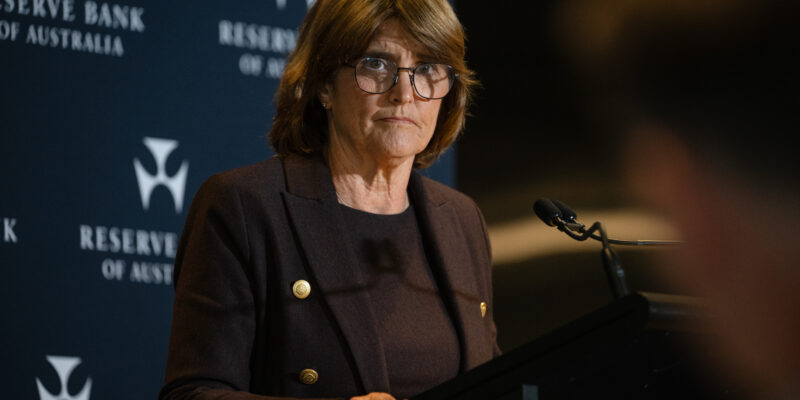
The central bank has lifted the official cash rate at each of its meetings in 2026, with the bank’s governor, Michele Bullock, outlining concerns on inflation ahead of the Iran war.
In a recent report, the International Monetary Fund said the war, if not resolved soon, could cause a global recession, although Australia would likely experience stronger economic growth than other advanced economies.
Meanwhile, Australia’s budget balance was predicted among the three strongest of the G20 nations, the IMF said in a separate report.
The budget balance as a share of GDP was ahead of that of countries such as the US, UK, Germany and Japan, while the nation had the fifth-lowest debt relative to economic output, the report said.
The findings coincide with Dr Chalmers holding talks in Washington for the IMF-World Bank spring meetings, along with his counterparts from the UK, China and Japan.
The IMF has warned of a global recession if the situation in the Middle East does not abate.
Dr Chalmers said the government’s financial ranking was an outstanding result.
“We’re not immune from global volatility as a result of the conflict in the Middle East, but thanks to the progress we’ve made in the budget, we’re well placed to confront it,” he said.