
Household spending bump: we love our EVs
Australians loosened their purse strings in June, spending their money on electric vehicles and travel despite a tough and uncertain economy, the Bureau of Statistic has found.

HOUSEHOLD spending by Australians rose 0.8 per cent in June 2026, according to seasonally adjusted figures released by the nation’s Bureau of Statistics (ABS).
This follows a rise of 1.2 per cent in May and a fall of 1.0 per cent in April.
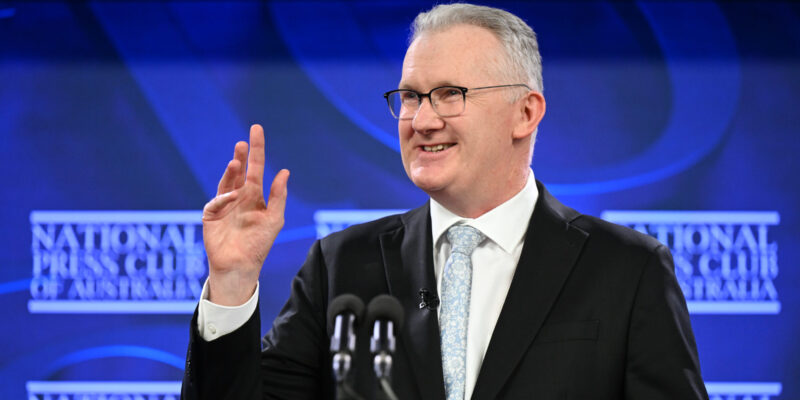
ABS head of business statistics, Tom Lay said the June increase was driven by discretionary spending “thanks to continued strength in Transport and Recreation and culture.”
“New vehicle sales were the standout within Transport this month, driving a 3.0 per cent rise,” Mr Lay said.
“Electric vehicle sales increased significantly over the year and have continued that trend in June, accounting for a growing share of overall new vehicles sales as households adjust their spending behaviour in response to rising fuel prices.”
Air travel spending was the second largest contributor to the strength in Transport spending, as it returned to levels seen before the travel disruptions caused by the Middle East conflict that began in March this year.
Fuel spending has eased from the peak observed in March, as world oil prices fell and the reduction in the fuel excise duty from April 1 until June 30 continues to pass through to households.
Experimental data produced by the ABS suggests that the volume of fuel spending increased by 7.8 per cent in June, reflecting a 10.9 per cent decrease in prices. This follows a 0.2 per cent increase in May.
“The 1.4 per cent rise in Recreation and culture came from a few categories in June, with households spending more on electronic goods, performing arts and other live entertainment, and gambling activity likely supported by major sporting events,” Lay said.
Some of the rise in spending on performing arts and live entertainment reflect advanced purchases of tickets for future performances.
In the household spending indicator this activity is recorded as spending at the point of payment rather than when the service is consumed.