
Focus on the future: WA’s need for speed
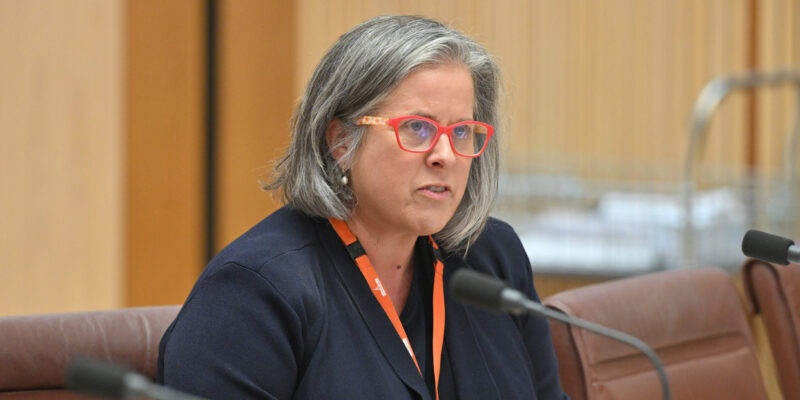
Faced with a property market under pressure, REIWA president Suzanne Brown understands there isn’t a single solution for supply shortages but believes that time is of the essence.

WITH supply shortages, intense buyer competition, and sustained price growth in Perth and regional Western Australia, the Real Estate Institute (REIWA) believes the state’s future expansion is heavily dependent on the fast-tracked construction of more housing.
“What we can say with confidence is that WA will continue to be shaped by population growth, the strength of the state economy, relative affordability compared with the eastern states, and the success or failure of our housing delivery system,” the President of the REIWA, Suzanne Brown, tells Australian Conveyancer magazine.
“My broad view is that WA should remain a growth market over the medium to long term, but future performance will depend heavily on how well we expand supply and improve housing choice.”
Brown says the top three issues facing the state are housing supply, affordability, and workforce capability.
“Firstly, demand has stayed strong, but the market is still not producing enough new homes, or enough diverse housing, quickly enough to properly rebalance conditions,” she says.
“The REIWA’s view is that the supply-demand mismatch remains the central pressure point across both the sales and rental markets.
“Secondly, affordability is becoming more complex and any advantage that WA has had is being eroded by sustained price growth, rent pressure and higher borrowing costs.
“And, thirdly, the industry is operating in a far more demanding regulatory and service environment. Consumers expect speed, transparency and accuracy, and rightly so.
“At the same time, the sector is managing major reform across tenancy, compliance and settlement processes. That means the quality and capacity of the workforce matters more than ever.”
Brown says the convergence of “five forces at once” is shaping the WA housing market:
- Population growth. Western Australia has been recording the strongest population growth in the country, and that naturally places pressure on both rental and sales markets.
- Constrained supply. Even though WA has improved housing activity, supply has not yet caught up with demand.
- Affordability relative to the eastern states. Perth still looks comparatively accessible, and that has increased owner-occupier, investor and interstate buyer demand.
- Interest rates. Higher rates affect borrowing power and keep a lid on how far and how fast some buyers can stretch.
- Sentiment. WA has strong employment, population growth and comparatively better affordability, so confidence has held up better here than in some other parts of the country although many households are still under pressure.
Brown says WA has done better than many jurisdictions in lifting housing activity, and there have been some positive policy moves from the government.
“But the market is still playing catch-up after several years of very strong demand,” she says. “Population growth has been running ahead of the system’s ability to deliver enough new homes in the right locations and at the right price points.
“On the rental side, supply is improving in patches, but not yet where it needs to be for a properly stable market.
“On the sales side, listings remain relatively constrained, and that continues to support competition and price growth.”
The REIWA expects conditions will improve gradually for stakeholders.
“There are signs of movement: more policy attention, more housing investment, and better recognition that supply needs to increase across a broader mix of dwelling types,” says Brown.
“So, over the next few years, we would hope to see periods of easing and rebalancing.
“Over the longer term, WA can improve its position if it keeps releasing land, enabling medium-density housing, supporting infrastructure, and reducing delivery delays.”
Brown says the single biggest bottleneck to improving housing supply in WA right now is the speed of delivery.
“The time and complexity involved in turning demand into completed homes is the issue,” she says.
“Land may be identified, zoning may shift, policy may be announced, and finance may be available, but if the system cannot produce available land more efficiently and completed dwellings at scale, supply still lags.
“That bottleneck shows up across planning, infrastructure provision, construction capacity, skilled labour, feasibility and holding costs but the common thread is delivery speed.”
The REIWA believes that keeping up with housing demand requires greater housing diversity rather than building more single dwellings, which would add to urban sprawl.
“WA needs more townhouses, terraces, apartments and medium-density stock in well-located areas,” says Brown.
“We also need infrastructure and servicing to keep pace with land release, and we need planning pathways that are faster and more predictable.
“On the rental side, we need policies that support investment and confidence – not inhibit it – because rental supply does not appear by magic and investors do a lot of the heavy lifting in providing housing for renters.
“The government should keep working with industry on practical barriers, not just headline commitments.
“The housing challenge will not be solved by one announcement. It will be solved by a lot of competent, unglamorous execution.”
Brown says the REIWA is currently advocating with the Government for practical measures to deliver faster and more predictable housing supply, address affordability settings including stamp duty thresholds which better reflect the realities of the current market; and remove unnecessary barriers that slow housing delivery.
The REIWA would also like to see government reform aimed at providing rental supply and system stability through encouraging long-term private investment and an increase to social housing.
“We continue to advocate for settings that support rental supply, because private investment remains a critical part of the housing system and private investors provide 86% of the rental properties available,” she says.
“We are asking that any changes to tenancy legislation strike a fair balance between owner and renter’s interests.
“We would love to see an incentive for investors to make their rental more affordable for eligible tenants in lieu of potential discounts from either Council rates or Land Tax. This would be an easy way for affordability to be improved for those that are vulnerable in our community.”