
Houses can’t be built fast enough to meet strong demand
Peak body says 'housing policy must ultimately be judged by whether it helps deliver more homes'.
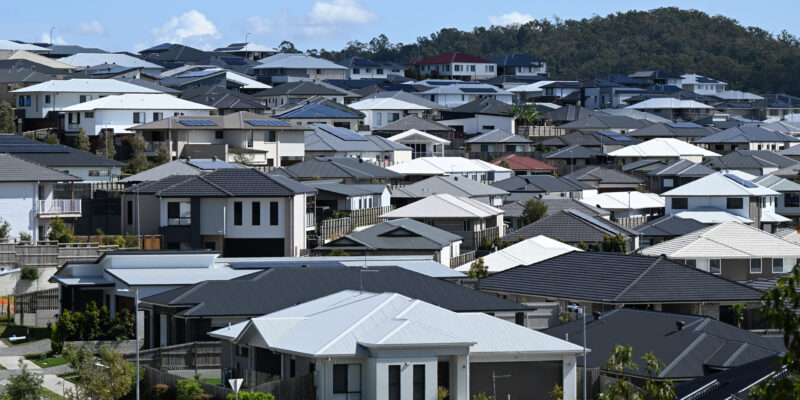
QUEENSLAND’s housing market remains caught between strong underlying demand for homes and economic conditions that are slowing new residential construction.
This is the view according to Michael Roberts, the Housing Industry Association executive director Queensland.
Roberts said population growth, household formation and an accumulated shortage of homes continue to underpin housing demand.
But he said this cycle is being driven by restrictive financial conditions, weaker confidence and policy changes, rather than an absence of underlying demand for housing.
“Queensland’s housing challenge has not gone away,” Roberts said.
“The demand for new homes remains strong but current economic conditions are making it harder for households to commit to new builds and harder for the industry to bring that supply forward.
“This cycle is being driven by restrictive financial conditions, weaker confidence and policy changes, rather than an absence of underlying demand for housing.”
Established home prices are expected to recover during 2027, with new home sales likely to follow dwelling commencements beginning to recover from late 2027.
In Queensland, 5930 detached houses commenced construction in the March quarter 2026, down 6.7 per cent on the previous quarter.
Detached housing starts are expected to reach 25,140 in 2026 before rising to 26,020 in 2027, 26,570 in 2028 and 26,760 in 2029.
Multi-unit commencements totalled 4940 in the March quarter 2026, down eight per cent on the previous quarter.
A further decline is expected in the following quarter before starts gradually improve through the second half of 2026. Multi-unit starts are forecast to total 17,760 in 2026 and rise to 18,390 in 2027, 19,180 in 2028 and 20,280 in 2029.
Roberts said the expected recovery should not be mistaken for a resolution of the housing shortage.
“A lift in commencements from late 2027 would represent a delayed and constrained response to a shortage that has already built up over time,” he said.
“Unless policy settings support more investment and construction, housing affordability will continue to deteriorate.
“Housing policy must ultimately be judged by whether it helps deliver more homes.
“Reforms that enable supply at one level of government achieve little if policies elsewhere discourage investment and construction.”