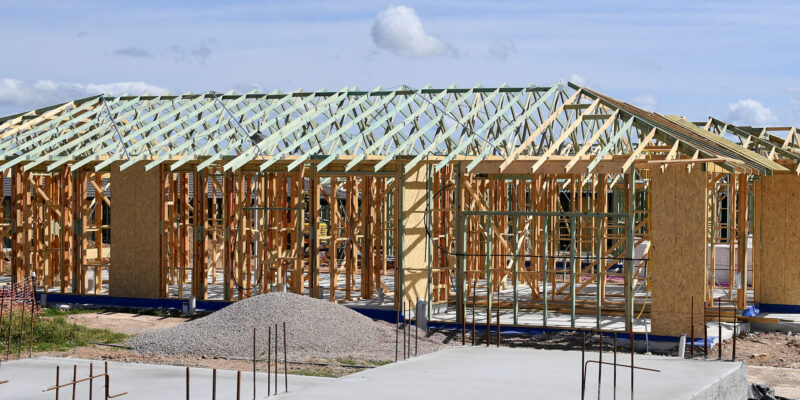

Crisis housing finally gets big injection of funds
Housing minister says looking after women and children without stable homes was 'a failure of government in this country'.
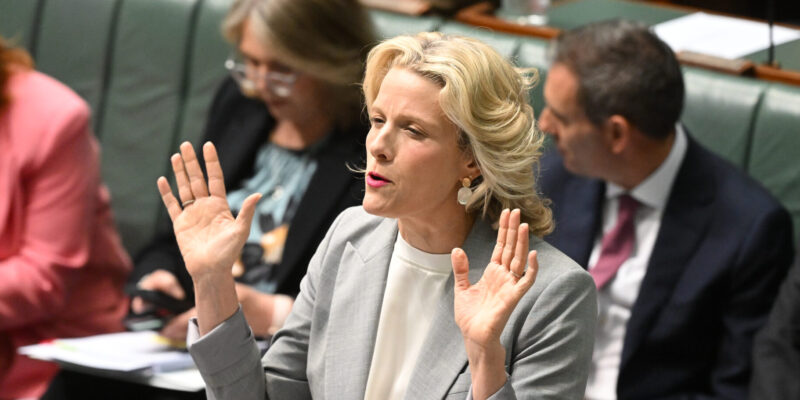
NEW crisis accommodation announced by the government is just one step to fixing the housing system but independent MPs want more to be done for essential workers languishing without homes they can afford.
The Albanese government on Monday announced $300 million in new grant funding for crisis and transitional housing, which will deliver 500 new homes by 2029.
Housing minister Clare O’Neil said the money would help many women and children fleeing family violence who were going without stable homes.
“That’s a failure of government in this country – and that’s why we’re standing up and doing something about it,” she said.
Crisis housing includes other services to help people fleeing dangerous situations and can often prioritise young people and children, so they are not competing with adults for a spot.
“Looking back over the past 12 months, we’ve seen a real, genuine shift in the way young people are being treated,” O’Neil said.
“They’re finally being seen with their own unique safety needs, their own housing needs, and big aspirations for the future.”
But Australia is behind on its target to build 1.2 million new homes by the end of the decade.
The National Housing Supply and Affordability Council’s latest quarterly report, released in mid-August, forecast that the target will be reached by the end of 2030 – 18 months later than the deadline of mid-2029.
The Housing Australia Future Fund, a $10.9 billion centrepiece to Labor’s plans, has also faced scrutiny.
The fund provides periodic disbursements to community housing providers, builders and state governments but a government report in July showed it only delivered 1432 houses roughly two years into its five-year target of 40,000 homes.
Independent MP Nicolette Boele will introduce a bill for a standard affordable housing definition, standardising a term that has meanings ranging from 75 per cent of market income to 20 per cent of a person’s income.
Under the plan, affordable housing would be defined as the lesser of 75 per cent of the market rate, or 30 per cent of a household’s gross profit income. Dynamic funding models would also need to be developed.
Boele said the lack of a universally-applied definition meant taxpayer funding was at times used on developments that did not create real affordability for people.
“This is about building and managing homes that are genuinely affordable for the people that need it, and it’s also about accountability of public spending. Taxpayers and communities have to know what they’re paying for,” Boele said.
The plan is backed by Independent MP Allegra Spender, who said it was necessary for attracting essential workers to expensive areas. It is expected to gain traction with minor parties.
Treasury is modelling the costs for different affordable housing options, treasurer Jim Chalmers confirmed last week.