Headline inflation jumps back to four per cent
A spike in fuel prices has ended a five-month streak of slowing growth in consumer prices, adding to Reserve Bank concerns about inflation.
AUSTRALIA’S annual headline inflation rate has climbed to four per cent as higher oil prices continue to filter through the economy.
The consumer price index rose 0.4 per cent in August, the Australian Bureau of Statistics reported on Wednesday, a day after the Reserve Bank hiked interest rates to a 15-year high 4.6 per cent.
Annual headline inflation was 3.5 per cent the month prior and had been easing every month since March.
The central bank’s more preferred measure of underlying inflation – the trimmed mean – held steady for a third straight month at 3.6 per cent on an annual basis.
Forecasters had expected the trimmed mean to remain the same, but it remains far higher than the mid-point of the RBA’s two-to-three per cent target band.
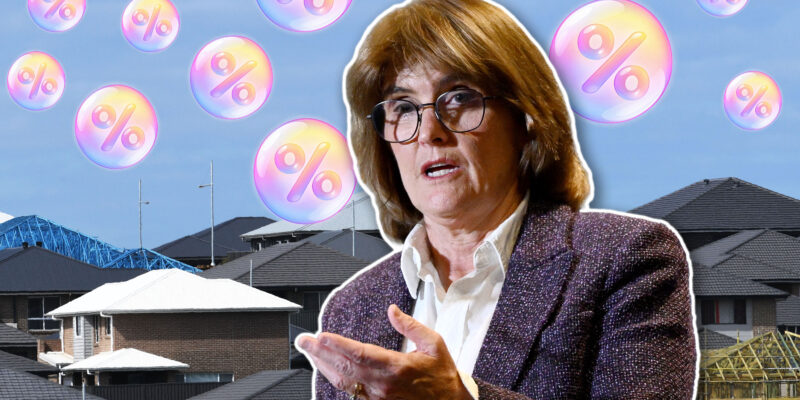
Housing was the largest contributor to annual inflation, up 5.7 per cent in the month, said Rachael McCririck, ABS head of price statistics.
“Annual inflation of 5.7 per cent for housing reflected rising costs for both new dwellings and electricity. New dwelling prices rose 5.4 per cent in the 12 months to August as builders passed on higher costs for materials and labour,” she said.
Transport was the second-largest contributor, reflecting a 14.8 per cent jump in fuel prices as the government’s temporary excise cut wound off.
“Sustained higher oil prices are bleeding through prices beyond the pump, maintaining upward price pressure on core goods and services,” said Harry McAuley, an economist at Oxford Economics Australia.
“We expect this to continue into 2027 and forecast trimmed mean inflation to sit above three per cent until early 2028.”
Speaking after the RBA board decided unanimously to hike interest rates by 25 basis points on Tuesday, Governor Michele Bullock said inflation was too high because there was too much demand in the domestic economy.
Higher commodity prices from the Middle East conflict and higher technology prices because of the AI investment boom were adding to inflation pressures, she said.
Ms Bullock’s predecessor as governor, Philip Lowe, said excessive government spending was making inflation worse.
Dr Lowe, who left the central bank in 2023 after Treasurer Jim Chalmers chose not to renew his tenure as governor, said the government should be banking high tax receipts given the current phase of the economic cycle.
“Now we find ourselves running sizeable budget deficits at a time where we’re at full employment and commodity prices are very high,” he told an Institute of Public Affairs podcast, released on Tuesday evening.
The federal budget recorded a $22.3 billion deficit in 2025/26, Dr Chalmers revealed on Monday.
The final budget outcome also revealed spending as a proportion of GDP climbed to 26.9 per cent – the highest level in 40 years outside of COVID – a level Australian Chamber of Commerce and Industry chief executive Andrew McKellar said was unsustainable.
“We’ve got to have some higher level of spending restraint as the first step if we’re going to get the budget into better shape,” he told ABC Radio.
Assistant Treasurer Daniel Mulino said Labor had made $64 billion in savings over the next four years in the May budget.
“We’ve really pulled back on government spending so that we are doing all we can to support the measures of the Reserve Bank in pulling back inflation,” he told ABC News Breakfast.