
Housing affordability hit crunch time in the West
The latest home loan interest rate hike has applied even more pressure to homeowners and would-be buyers. The goal of getting into the market is even harder now, none more so than in Western Australia.
HOT on the heels of the latest interest rate rise comes news of a continued decline in housing affordability in the December quarter.
Unsurprisingly, one of the hardest places to afford a home is also one of the hottest markets: Western Australia.
According to the latest REIA Housing Affordability Report, the proportion of family income needed to meet loan repayments in WA increased 3% over the quarter to 43.5%.
Housing affordability declined in all other states and territories in the December quarter.
WA recorded the largest decline, followed by Queensland with a drop of 2.8% and South Australia with 2.5%.
More affordable were Tasmania, the Northern Territory, and the ACT.
NSW was the least affordable, with 57.3% of family income required to meet mortgage repayments.
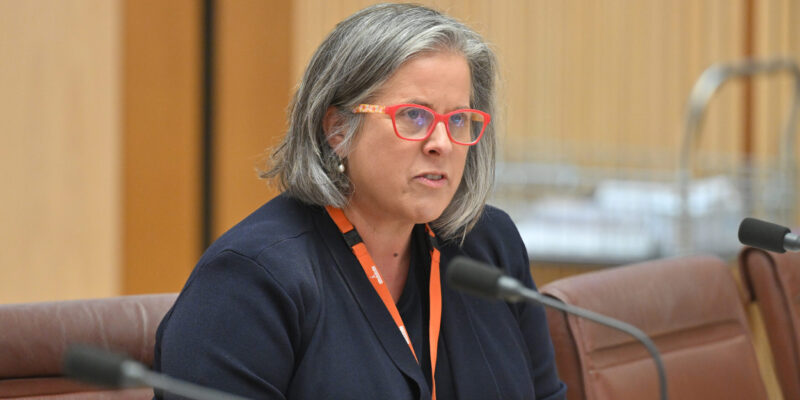
REIWA President Suzanne Brown said WA’s decline in affordability was a result of strong price growth and increased first home buyer participation due to the Federal Government’s 5% deposit scheme.
After easing earlier in the year, property price growth accelerated towards the end of 2025.
The median house sale price increased 4.5% over the December quarter, and units by 5.3%.
“Growth was driven by lower-than-average new listings and already strong demand, which was boosted by the 5% deposit scheme coming into effect on 1 October,” Ms Brown said.
“This scheme has enabled more buyers to enter the market, particularly first home buyers, by reducing upfront barriers. “However, increased participation by new buyers has contributed to larger loan sizes relative to income, lifting the proportion of household income required to meet mortgage repayments.
“Unfortunately, we can expect affordability to decline further in 2026, with prices continuing to rise strongly, an interest rate rise in February and March, and more expected over the year.”