
The time is now to pay more attention to regional areas
Property experts call for governments to place regional Australia at the heart of any future housing initiatives.
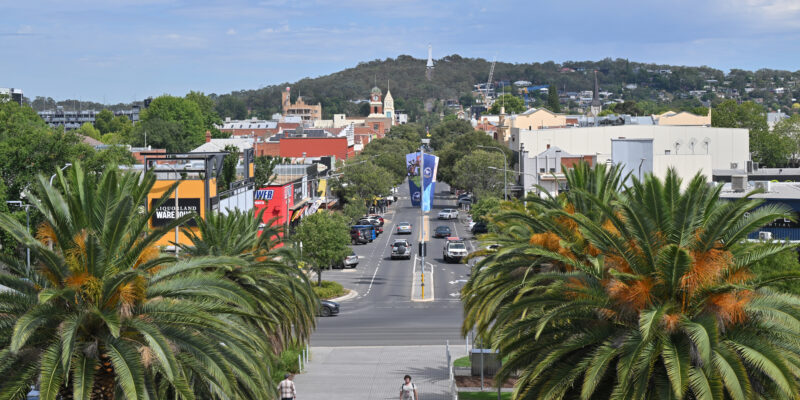
The surge of almost 10 million Australians now living in regional areas has exposed deep and growing cracks in the nation’s housing system, according to the Housing Industry Association.
Simon Croft, HIA chief executive of industry policy, said the issue is highlighting the urgent need for a dedicated national housing plan that works for regional Australia.
“A one-size-fits-all approach to housing policy is failing the regions,” Croft said.
“Nowhere is this more evident than in regional electorates such as Farrer, which has experienced strong population growth but continues to face chronic housing shortages, rising rents and limited housing choice for workers, families and young Australians.
“Since the pandemic, regional Australia has welcomed tens of thousands of new residents seeking affordability, employment opportunities and a better quality of life.
“While this shift has delivered economic benefits, housing supply has simply not kept pace with demand.”
In Farrer, a vast electorate spanning the Murray and Border regions of NSW, the impacts are increasingly acute.
“Essential workers are struggling to find rental accommodation, young people are being priced out of their home communities and local businesses are unable to attract staff because workers simply cannot find a place to live,” Croft said.
“Regional communities are doing the heavy lifting when it comes to population growth, yet housing policy remains overwhelmingly metropolitan focused. This is not a fringe issue. It is a structural failure.”
Despite demand surging in regional centres, smaller towns and rural cities continue to face:
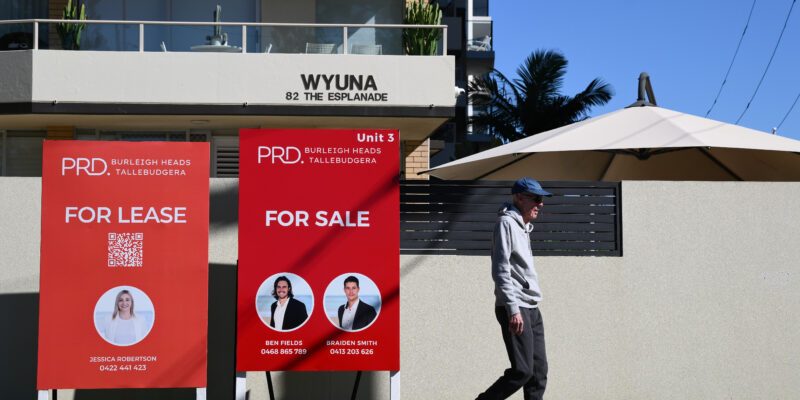
- Severe rental shortages, often with vacancy rates near or below one per cent;
- Rapidly escalating rents and purchase prices, increasingly disconnected from local wages;
- Limited new housing construction, driven by higher build costs, labour shortages and fragmented planning systems; and
- A shortage of diverse housing types, particularly social, affordable and key worker housing.
Croft said what is required now is a dedicated, long-term national housing plan that explicitly recognises the distinct pressures faced by regional, rural and remote communities.
“Housing must be treated as critical economic and social infrastructure, especially in regions expected to absorb future population and workforce growth,” he said.
Such a plan must include place-based housing targets and funding streams for regional Australia; support new housing supply in growth regions, not just capital cities; address gaps in social, affordable and key worker housing; and align housing investment with infrastructure, health, education and workforce planning.
“Without decisive action, regions like Farrer risk a future where population growth outpaces liveability, undermining the very communities Australians are choosing to move to.
“If governments want people to live and work in the regions, they must match that ambition with a housing system designed for regional realities.
“The housing crisis is not confined to cities, it is even more pronounced in the regions. It demands a coordinated national response that finally puts regional Australia at the centre of housing policy, not as an afterthought.
“Australia can no longer rely on reactive, stop-start housing policies.
“We need a system that plans for long-term growth, improves population distribution and productivity and puts regional Australia at the centre of a national housing policy,” Croft concluded.