
War pummels national home build target hopes
As the scale and uncertainty of the Middle East conflict escalates, so too does the anxiety around Australian housing crisis. The war has forced the sector to lower its expectations around the country new home building targets.

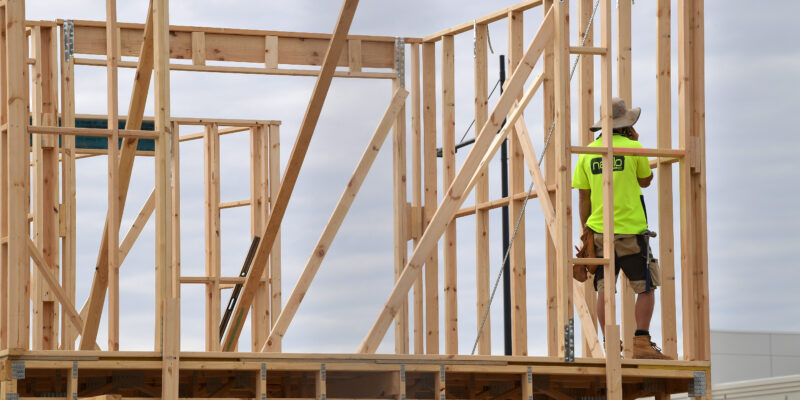
UP to 33,000 homes could be slashed from Australia’s national housing target as an oil crisis fuels construction costs and uncertainty.
An independent analysis reveals the supply outlook was improving at the start of 2026, until the Middle East conflict hit.
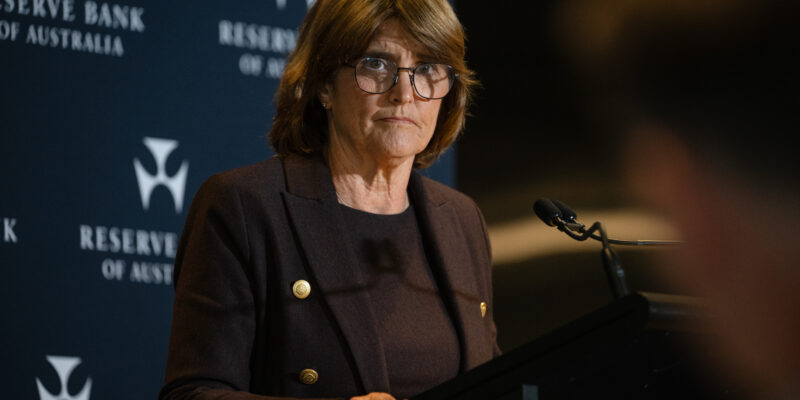
“There is cause to be worried about outside risk here,” Susan Lloyd-Hurwitz, chair of the National Housing Supply and Affordability Council, told a Property Council of Australia summit on Thursday.
“There is significant uncertainty in the scale and length of the conflict.
“The reality is nobody knows from minute to minute what is happening. But what we do know is we’re getting inflation, getting cost increases … product shortages, and that hurts particularly small businesses, which is the bulk of the construction sector in this country.”
In its annual report, the National Housing Supply and Affordability Council said housing supply was picking up before the war.
The Council estimated around 980,000 homes would be built over the five-year Housing Accord period – 42,000 higher than it predicted last year.
The 1.2 million new homes target would have been reached by September 2030, just over a year behind the Accord end date of June 30, 2029.
But the Council warned completions could now be affected, with up to 33,000 homes slashed from the target by mid-2029.
“The war has made conditions for housing supply uncertain, with the higher fuel and petrochemical prices expected to impact on transport and material costs for construction, and place pressure on product availability and the operation of small businesses,” the report revealed.
The forecast loss is based on a prolonged conflict scenario, which assumes construction costs will peak at 10 percent in mid-2026.
But that did not take into account consumer sentiment and general economic conditions, which posed further downside risks, Ms Lloyd-Hurwitz added.
Frasers Property Australia CEO Cameron Leggatt told the summit global instability was already causing supply chain issues, with disrupted shipping routes, higher fuel costs and reduced availability of construction materials.
Meanwhile, Property Council of Australia executive director of capital markets, Torie Brown, said: “The scariest anecdote I’ve heard from a member was 95% of Australia’s cranes run on diesel. We really need to make sure that they can continue to build.”
Ms Lloyd-Hurwitz said global events highlight the many challenges within the housing system and there was no silver bullet.
Affordability remained a challenge, especially for non-homeowners, putting pressure on households and communities.
“It now takes an average of a record 11.2 years to save a deposit for a median home, the rent to income ratio is now 33 percent, and almost 46 percent of median income is consumed by a new mortgage for a median house,” she said.
Ms Lloyd-Hurwitz said efforts to deliver more homes are underway with state and territory governments focused on infrastructure, faster approvals, cutting red tape and boosting housing density.
“There is more positive activity in the housing ecosystem than I’ve seen for many, many years. It’s just going to take time, political will, persistence and collaboration.”