
Low-paid workers to receive 4.75 per cent wage rise
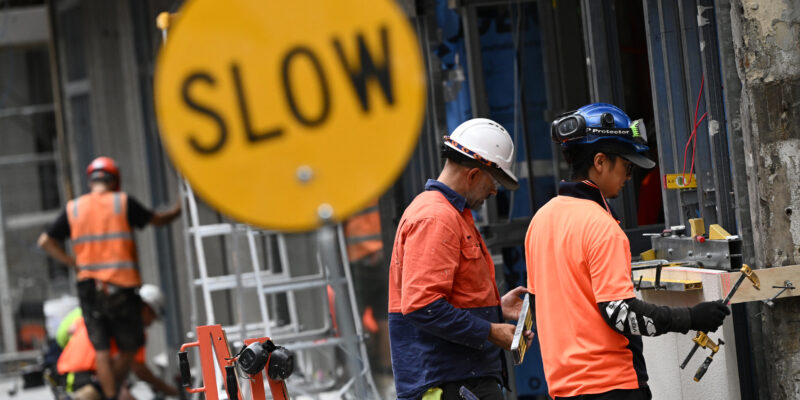
Millions of workers on industry awards will get a 4.75 per cent annual pay rise, but minimum wage earners will receive a larger boost of six per cent.

ALMOST three million Australian workers will receive a 4.75 per cent pay boost after the industrial umpire’s annual minimum and award wage review.
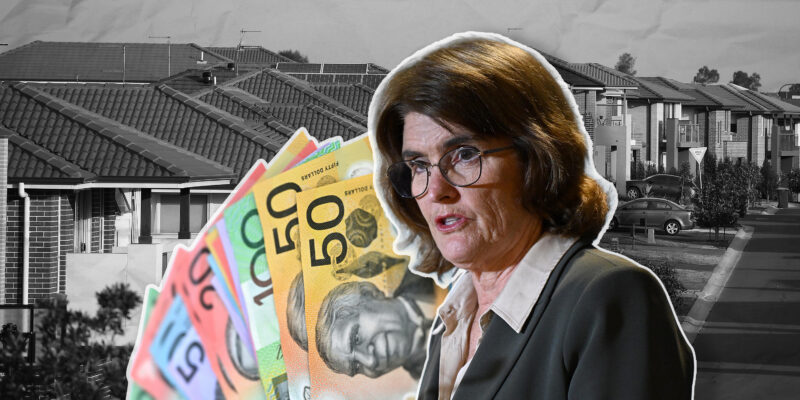
But the Fair Work Commission’s decision on Tuesday means about 100,000 minimum-wage earners will receive a larger six per cent pay rise to $26.44 per hour.
The decision came amid ongoing uncertainty over the Middle East conflict and how long the Strait of Hormuz would remain closed, keeping upward pressure on inflation.
Headline inflation was 4.2 per cent in the year to April, according to Australian Bureau of Statistics figures, but the Reserve Bank has forecast inflation to rise to 4.8 per cent by the end of June.
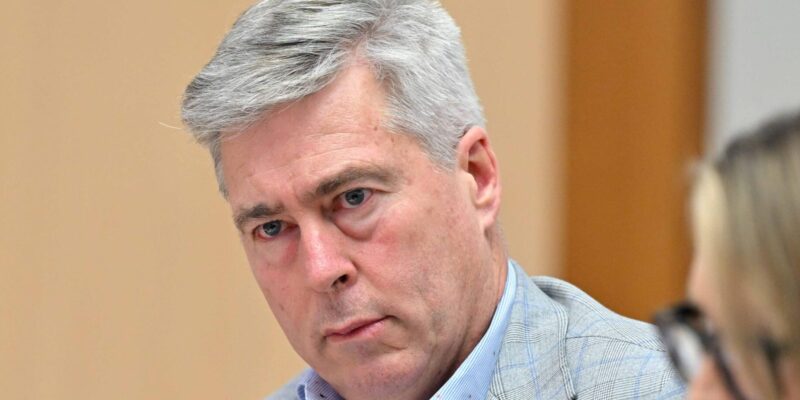
Fair Work Commission president Adam Hatcher said it was not practical or responsible to award a pay rise above five per cent needed to close the real wage gap that had opened since the COVID-19 pandemic.
“However, we consider that we should at least ensure that modern award-reliant employees generally are not worse off in real terms than they were as of 1 July 2025,” he said.
The commission also made a structural adjustment to the lowest pay classifications, which effectively raised the minimum wage, which, relative to the rest of the system, increased it from $948 to $1004.90 a week.
The decision fell within the range of suggestions made by unions and business groups.
In its submission to the commission’s review, the Australian Council of Trade Unions called for a six per cent increase, arguing workers were still behind in real terms following the post-COVID inflation spike.
The employer body, the Australian Industry Group, called for a lower rise of 3.9 per cent, arguing the union body’s claim would stoke inflation.
While the federal government does not nominate an exact figure, Treasurer Jim Chalmers said workers deserved a decent real wage increase.
“We want to see it go up further today, and that’s because we recognise that higher wages and lower taxes are the best way to help working people with the cost of living,” he told ABC TV ahead of the decision.
Opposition frontbencher James Paterson said he would never begrudge Australian workers a pay raise, but the core of the problem was out-of-control inflation.
“It’s not sustainable to keep increasing wages at this kind of rate, because it’s not sustainable to have inflation at this rate,” he told Sky News.
“That will ultimately lead to all Australians being poorer and probably higher unemployment.”
The decision covers about one in five employees, but given they tend to be lower-paid, it amounts to only 11.2 per cent of the national wages bill, according to commission estimates.
Economists say the decision influences pay-rise claims across occupations and therefore results in broader flow-on effects.
The pay rise will kick in from July 1.
The commission also said it intended to continue reviewing award rates in feminised sectors to eliminate gender-based undervaluation, following major increases in childcare, pharmacy, health, and other “care economy” pay rates.