
Qld: ‘tax, investment rules hold us back’
Property experts say 'real opportunity is to grow the pie by attracting more capital to deliver more homes'.
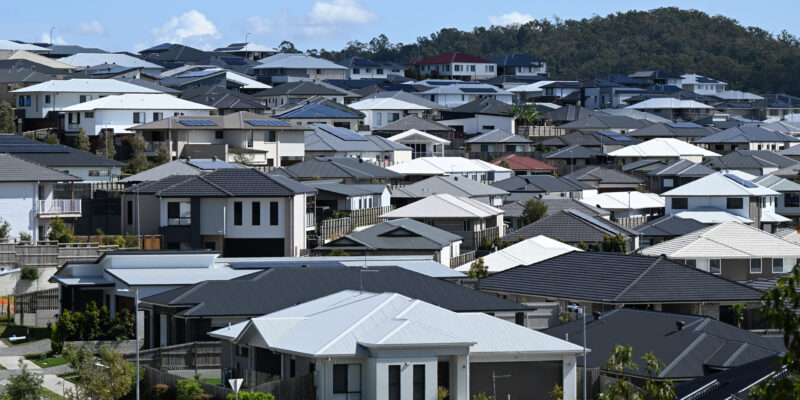
KEY infrastructure, housing and workforce initiatives may be welcomed but Queensland risks losing out on critical private investment as other states aim to score from strong global interest.
Following this week’s state Budget, the Property Council of Australia said the doubling of the successful Residential Activation Fund and the establishment of the Infrastructure Activation Fund would help deliver more homes across Queensland sooner.
But tax and investment settings continue to hold the state back in the race for capital.
The Budget confirmed the role of the property sector in Queensland’s economy and finances, with stamp duty and land tax set to bring $11.5 billion into state coffers in 2026-27, representing 38.8 per cent of all state taxes.
By comparison, coal royalties are tipped to raise $6.95 billion over the next financial year.
Property Council Queensland executive director Jess Caire said the Budget’s focus on catalytic infrastructure funding was welcomed but investment settings must now align to turn that momentum into delivery ahead of 2032.
“Queensland’s property industry pays more tax and generates more jobs than any other sector,” Caire said.
“The real opportunity for us now is to grow the pie by attracting more capital to deliver more homes, more jobs and stronger long-term revenue.
“We need to support, not stifle, the industry that builds Queensland. That means addressing tax settings that continue to penalise Australian-based developers partnering with friendly offshore investors, limiting our ability to bring new capital into the state.
“We’ve seen NSW read the room on how global investment works and position itself as the most compelling destination for capital.
“They’ve made a deliberate decision to grow their share of investment through changes to the treatment of foreign investment in new retirement villages and build-to-rent projects.
“Although boosting Modern Methods of Construction through increased training is a start, without more progress on dedicated research and funding – as we called for in our pre-budget submission and as seen in today’s NSW Budget, we won’t realise the productivity gains needed to grow capacity and deliver at scale.”
Caire said the government’s support of enabling infrastructure through the Residential Activation Fund and Infrastructure Activation Fund goes directly to the heart of the housing challenge, unlocking supply where it can be delivered.
“The strong response from industry to these funds shows there is no shortage of projects ready to go – it’s about enabling them to proceed,” she said.
“These funds will help address feasibility barriers by connecting water, power and road infrastructure to new communities, so more Queenslanders can have a place to call home.”
Other measures in the Budget include an extension of the $30,000 First Home Owner Grant and a $163 million expansion of the Boost to Buy program.
“Helping Queenslanders to get their foot on the home ownership ladder is so important. It’s pleasing to see the government is continuing to help make that dream a reality for Queensland first homeowners,” Caire said.