
Market supply steady despite winter slump
New report says 'national listings above where they were this time last year, indicating stock is struggling to move'.
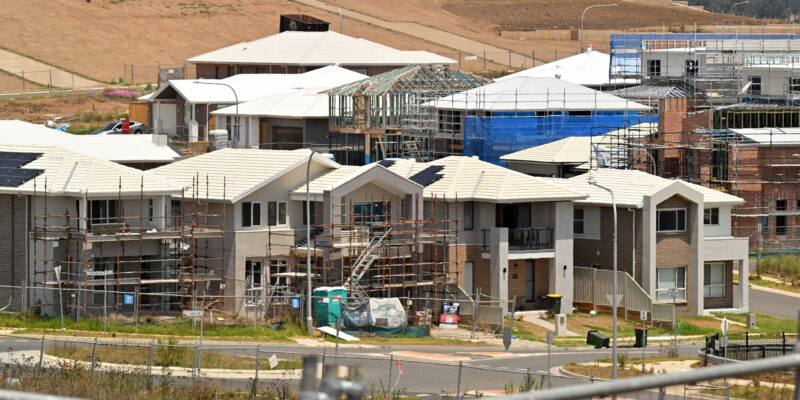
THE number of properties going to market in June declined but year-on-year figures remained positive, according to a new report.
SQM Research has shown Australia’s residential property market cooled in June following the strong increase in listings recorded during May, with national listings declining 4.1 per cent to 248,249 dwellings.
While the monthly fall reflects a typical winter slowdown, overall supply remains healthier than a year ago, with national listings now 6.1 per cent higher annually, SQM recorded.
Sydney (-5.6 per cent) and Melbourne (-6.1 per cent) recorded the largest monthly declines among the major capitals, though both cities continue to report significantly higher stock levels than a year ago, up 17.4 per cent and 19.6 per cent respectively.
Brisbane was one of the few major capitals to continue building supply, with listings rising 1.2 per cent over the month and eight per cent year-on-year.
Following three consecutive months of strong growth, Perth experienced a modest pullback, with total listings easing 5.3 per cent during June.
But listing levels remain broadly consistent with long-term trends despite sitting 5.4 per cent below June 2025.
Adelaide declined 5.2 per cent for the month but remains 10.4 per cent higher than a year ago.
Canberra recorded the largest monthly decline nationally (-10.1 per cent), while Darwin continued to edge higher (+2 per cent).
Hobart experienced the sharpest fall among the capitals (-11.9 per cent), with listings now 17.4 per cent below last year’s level.
Louis Christopher, managing director of SQM Research, said the June figures reflected “what we would normally expect to see at the beginning of winter, with new listings easing after a particularly strong May”.
“While overall supply has pulled back over the month, the broader picture remains negative, with national listings above where they were this time last year, indicating stock is struggling to move.
“Sydney and Melbourne continue to carry significantly more stock than a year ago, while Brisbane has continued to add listings despite the seasonal slowdown.
“Perth has also eased after three months of exceptionally strong growth, although supply remains relatively tight compared with historical levels.
“One trend we’re watching closely is the continued increase in distressed listings. While they’re still below last year’s levels nationally, we’ve now seen two consecutive monthly increases, particularly across Queensland and Western Australia.
“It’s something we’ll continue to monitor over the coming months.”
Christopher said one other trend worth watching is the movement of people selling to private treaty compared to auction, “which is not unsurprising during a housing downturn”.
“Overall, the market remains well supplied. Supply has improved compared to last year, asking prices continue to hold up reasonably well, and we’re not yet seeing evidence of widespread financial stress.”