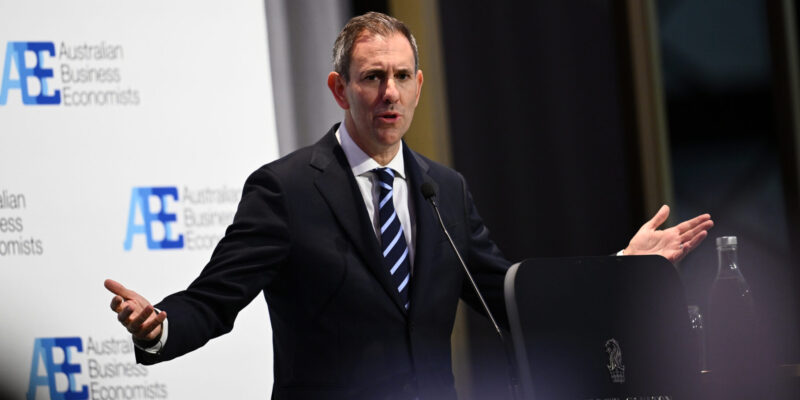

New survey shows ‘pullback in investor activity’
Latest survey shows investor activity fell in both new and established housing markets across the country.

SUPPLY constraints will curb housing construction as house prices become weaker and rental growth stronger, according to property professionals.
The NAB Residential Property Survey was conducted between May 26 and June 23 after changes to taxation arrangements for investor housing were announced in the Federal Budget.
NAB chief economist Sally Auld said the survey provided a timely insight into how the sector expects the housing market to respond following the Federal Budget.
“Respondents are pointing to a clear direction of travel, with softer price expectations, stronger rental growth expectations and a pullback in investor activity,” Auld said.
“These expectations matter because housing is an important driver of both household finances and the broader economic outlook.”
The survey shows the NAB Residential Property Index fell sharply in the June quarter, down to +14 from +58, taking sentiment back below its long-run average of +22 after five consecutive quarters of above-average outcomes.
At the same time, property professionals revised down their expectations for house prices, with prices now forecast to fall 2.5 per cent over the next 12 months, compared with expected growth of 2.1 per cent over the coming year in the March quarter.
Expectations for rental growth over the next year rose to 3.9 per cent, up from 3.1 per cent in the previous quarter.
The survey found construction costs continue to be the main barrier to starting new housing developments, cited by 77 per cent of property professionals, up from 65 per cent in the previous quarter.
Delays getting planning permits remained the second-greatest concern at 45 per cent, while concern about interest rates rose to 39.6 per cent.
The survey also found local investor activity fell in both new and established housing markets.
In new housing, the share of sales to local investors fell to 14.8 per cent, down from 19.9 per cent in the March quarter.
In established housing, the share of sales to local investors fell to 13.7 per cent, down from 19.8 per cent.
Auld said the findings highlighted cross currents in the housing market.
“With softer price expectations on the one hand and ongoing pressure from rents and construction costs on the other, housing-related inflation dynamics are more complicated than simply looking at house prices alone,” Auld said