
‘Don’t increase taxes that jeopardise new projects’
Albanese Government warned to scrap controversial discretionary tax changes if it wants to reach housing target.
THE Federal Government has been urged to scrap “flawed” discretionary tax changes which would “shrink new housing supply”.
The Property Council of Australia warns the proposed reforms will create a major obstacle to meeting Australia’s 2029 housing targets.
Treasury is consulting on a proposed 30 per cent minimum tax on discretionary trusts, a policy announced in the Federal Budget and scheduled to commence from July 1 2028. The consultation period closes on July 31.
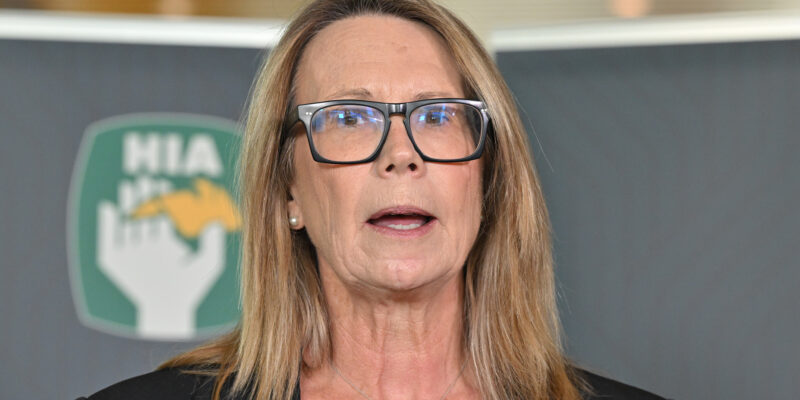
Property Council chief executive Mike Zorbas said the proposals will disproportionately hit family-owned and mid-tier property developers responsible for delivering many of the new homes Australia needs.
“This is a flawed policy that is wrong at many levels and risks shrinking new housing supply further. All this while costs of capital, labour and materials continue to rise,” Zorbas said.
“At best these reforms slow the delivery of new housing. At worst they stop projects altogether.
“If you want 1.2 million new homes, don’t increase taxes that jeopardise new projects and jack up prices for new homeowners.
“These are family businesses that have been using legitimate structures for decades and are now being told to undertake costly and complex restructures or face punitive new tax outcomes.”
The Property Council’s submission to Treasury argues that discretionary trusts are widely used throughout the property sector to manage risk, secure project finance and support long term development projects that often take between five and ten years to complete.
The submission warns that the reforms could force businesses to restructure established development operations, potentially triggering significant stamp duty liabilities, legal costs, financing changes and the loss of accumulated tax losses that underpin project feasibility.
“The proposed changes create the strong impression the Federal Government is either ignorant of, or carelessly triggering, state stamp duty shocks for many of the businesses in an industry that employs 1.4 million people,” Zorbas said.