
Economic pitfalls of not building enough homes
Advocacy group says 'where housing construction does not occur, the capacity of governments to generate revenue is diminished'.
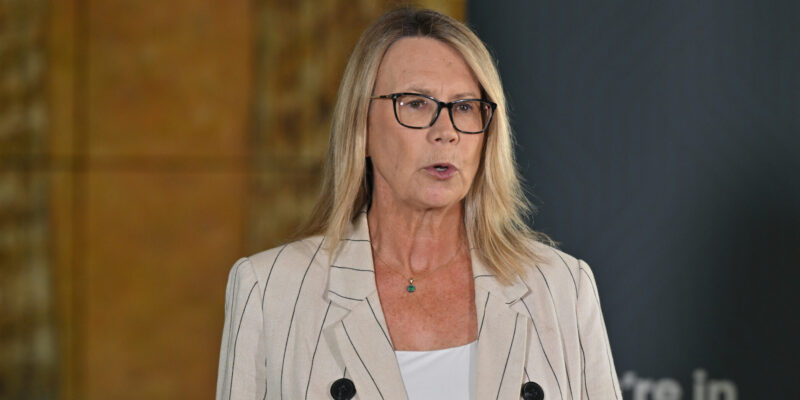
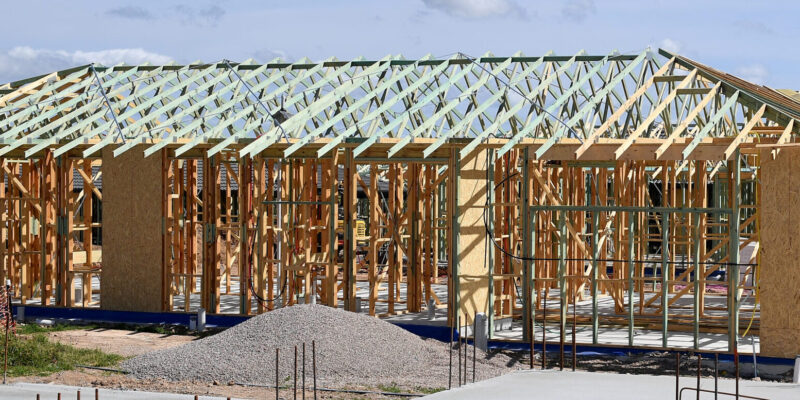
ALMOST a quarter of a million people would have been housed if Australia had kept pace with housing targets, according to the Housing Industry Association.
New HIA research “shone a light on the consequences of Australia falling behind on progress against the National Housing Accord”, following the release of ABS building activity data for the first two full years of the 1.2 million homes target.
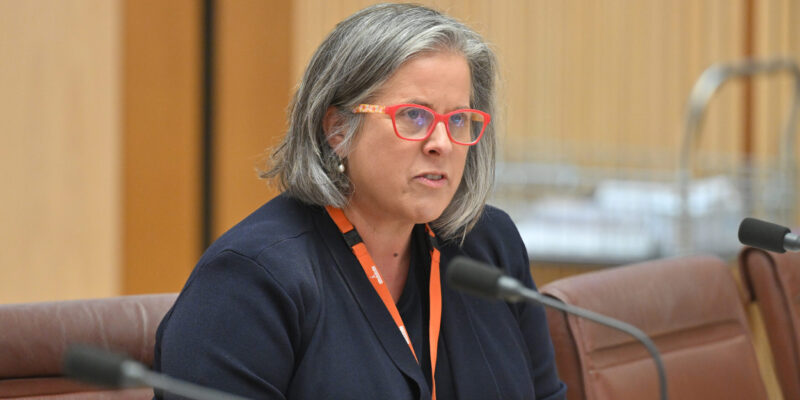
“Based on new home commencements for the first two years of the Housing Accord, Australia is now 94,980 dwellings behind the target,” HIA managing director Jocelyn Martin said.
“Not only does this equate to a significant shortfall in meeting the new homes target but it also represents $45 billion in economic activity that the building shortfall would have generated had it not occurred.
“Access to housing plays a fundamental role in ensuring that families and individuals can lead a balanced life and make a positive contribution to society and the economy.
“The shortfall of homes could have housed potentially 242,160 Australians based on average household sizes.”
Martin said what can’t be undersold is the economic activity that is generated by residential construction, creating jobs and benefits that flow throughout the economy.
“On top of this, governments generate significant revenue from taxation on housing,” Martin said.
“Where housing construction does not occur, the capacity of governments to generate revenue and deliver services to the community is diminished.”
Using the shortfall against housing targets and reflecting state and territory taxation regimes, HIA estimates that nationally $2.8 billion of stamp duty and $8.2 billion of GST was not generated and collected during this two-year period.
“HIA has long voiced concern at the high level of taxation on housing and this demonstrates how much government revenue the sector generates between these two sources alone,” Martin said.
“Rather than continue the trend to tax housing production more as a means to source more revenue for governments, this highlights the need to enact policy settings that support more housing delivery and therefore funding of more community services.
“To highlight this point, the estimates also had the housing targets as being met, additional taxation revenue could have funded the equivalent of 43,455 essential workers Australia wide over the two years.
“New housing is revenue positive to government, whereas additional taxation as we saw in this year’s federal Budget will only serve to reduce supply.
“While the building activity results for the June 2026 quarter showed improvement, this is more an indication of approvals and sales from 2025.
Martin said this does not reflect the Budget changes with respect to housing taxation or interest rate rises this year – the effects of which are expected to become evident on the ground in 2027.
“With headwinds of potentially further interest rate rises and uncertainty caused by international events, this reinforces the need for governments and other policymakers to reduce the costs of land and housing if Australia is to meet its long-term housing needs,” Martin concluded.