
Warning interest rates may still rise again
Budget measures have not done enough to quell Reserve Bank concerns about spending or curbing inflation.
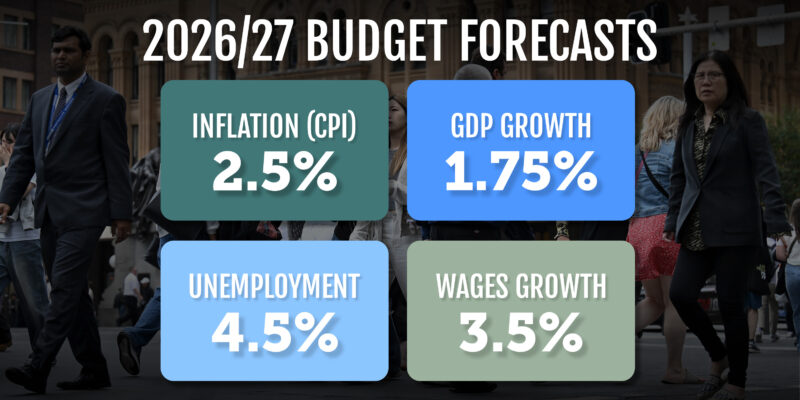
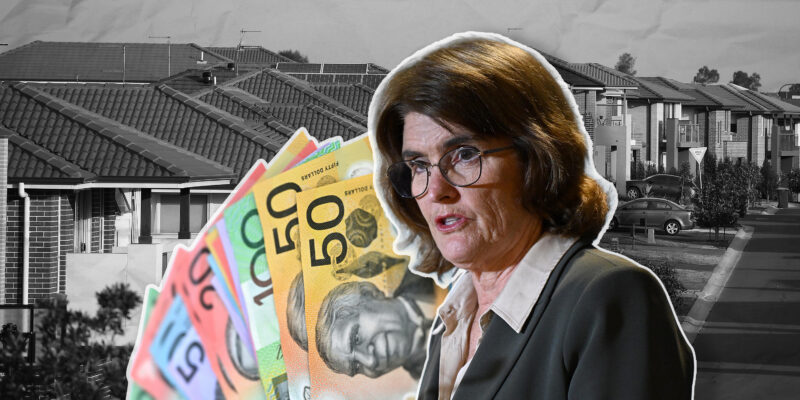
The Federal Budget won’t dissuade Australia’s central bank from raising interest rates again, given the outlook for higher inflation.
At the same time, the treasurer’s fiscal settings for 2026-27, which trumpet cost savings as well as new spending, are neutral to mildly expansionary, according to market economists.
While the Reserve Bank of Australia might have liked to see less spending, its inflation-fighting focus remains, given the government’s outlook for consumer prices to rise by an annualised five per cent by mid-year.
“Overall, the Budget is unlikely to shift the RBA’s near-term view on interest rates, but it does little to help in the fight against inflation,” Commonwealth Bank economists said in a research note.
“We retain our view that the RBA will remain on hold for the rest of this year, with clear risks sitting to the upside.”
AMP’s Shane Oliver said the Budget was a step in the right direction, given windfall revenues will be saved and net budget savings will be made over the next four years.
But he also believes it won’t make the RBA’s job any easier, leaving his base case for one more interest rate hike in August untouched.
National Australia Bank chief economist Sally Auld noted the government’s forecasts for slower growth, and inflation and unemployment moving higher, are broadly in line with the RBA’s views.
“We assess the stance of fiscal policy as neutral for the coming financial year,” she said.
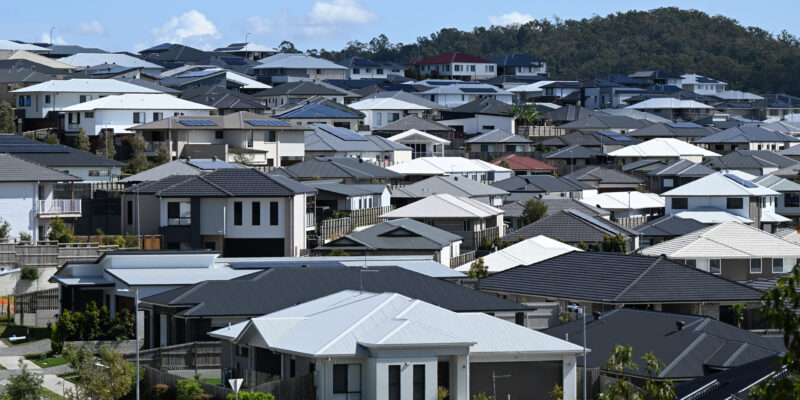
Meanwhile, tax hikes on property investors are projected to ease home price growth but hurt the government’s primary focus of boosting housing supply.
Scrapping negative gearing and the 50 per cent capital gains tax discount is forecast to cause home prices to grow about two per cent slower than they otherwise would have in the next few years, according to Tuesday’s Budget.
By reducing investor demand, the tax package is expected to boost home ownership by about 75,000 over the next decade.
While acknowledging that the move would be controversial, Treasurer Jim Chalmers said the changes were needed because the interaction between the housing market and the tax system was locking out too many young Australians.
But it will also reduce supply by about 35,000 homes over the same period, which would push up rents, Treasury analysis shows.
The government says the fall in supply will be more than offset by a $2 billion contribution in the budget for water pipes, roads and other infrastructure that enable about 65,000 more homes to be built.
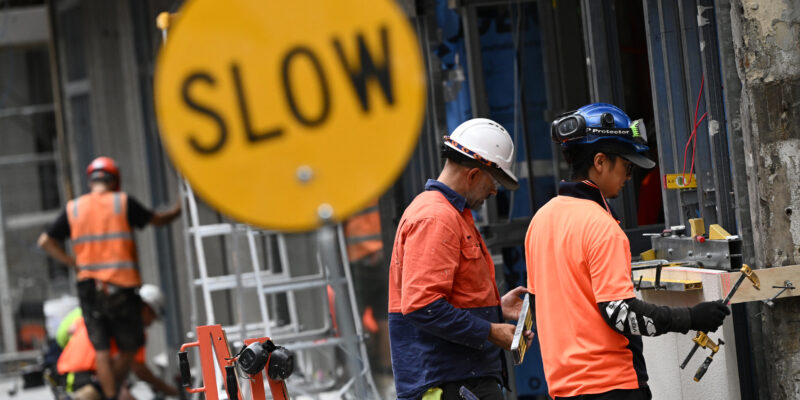
“The Budget failed to deliver on Labor’s commitment to do everything it could to increase new housing supply,” Master Builders Australia chief executive Denita Wawn said.
“The opportunity that exists to turbocharge housing supply has been lost.”
The tax package, which also included higher taxes on trusts, is promised to boost the structural deficit by $77 billion over the next decade.
But in the near term, tax receipts are expected to be hit by a further fall in the tobacco excise.
The growing illicit tobacco black market will take out $1.2 billion in excise in 2026-27 and $8 billion over the five years to 2029-30.
That would represent a 73 per cent decline from the $7.8 billion take in 2024-25.
The Budget is not expected to return to surplus until 2034-35, with $150 billion in cumulative deficits forecast until 2029-30.