

Homes cannot be built without skilled workers
Peak body says 'if we are serious about housing affordability, the first thing we need to talk about is workforce'.
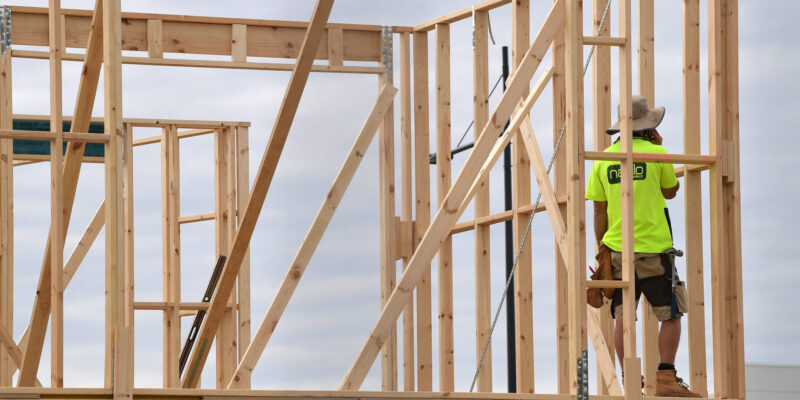
SKILLED workers must be front and centre of discussions to improve housing affordability, according to the Housing Industry Association.
HIA is calling for skilled construction migration to be treated as a priority, warning Western Australia cannot deliver the homes and infrastructure needed for future growth without more tradespeople.
With housing affordability under pressure and major projects such as AUKUS infrastructure, hospitals and manufacturing facilities on the horizon, HIA says skilled workers must be part of the solution.
Michael McGowan, HIA executive director, said Australia cannot build more homes without more people to build them.
“If we are serious about housing affordability, the first thing we need to talk about is workforce,” McGowan said.
“There is no pathway to building more homes, more hospitals, more defence infrastructure or more manufacturing facilities if we don’t have enough skilled workers on the tools.”
Industry estimates show Australia requires more than 83,000 additional skilled trades workers to achieve national housing supply targets.
While training Australians remains the long-term priority, HIA said apprentices entering the system today will take years to become qualified tradespeople.
“The industry is committed to training the next generation but the homes Western Australians need today cannot wait four or five years,” McGowan said.
“Skilled migration is not a substitute for local training. It is an essential complement to it.”
HIA said the debate around skilled construction migration needs to be separated from broader migration discussions because construction workers directly contribute to the supply of homes and critical infrastructure.
“A skilled worker arriving in Australia needs a home but 300 carpenters can build 500 homes per year,” McGowan said.
“Too often migration is discussed only in terms of demand but skilled construction workers increase supply. They are part of the solution to the housing crisis.”
HIA warned that the pipeline of skilled construction workers coming from overseas has slowed significantly, despite persistent trade shortages across key occupations including carpenters, bricklayers, roofers and tilers.
“Construction workers should be at the front of the skilled migration queue, not the back,” McGowan said.
“If governments want more homes, better housing affordability and the successful delivery of major projects, then skilled construction migration must be recognised as a strategic priority.
“Before we ask how we’re going to build the next generation of homes, hospitals and economic infrastructure, we need to ask who is going to build them.”