

Australian consumers are the least confident they’ve been since records began, as high oil prices threaten to worsen the housing crisis by pushing up building costs.
Motorists have already been feeling under the pump from petrol price increases.
But now second-order effects have started to filter through to sectors such as construction and aviation, exacerbating the Reserve Bank’s fears of a sustained break-out in inflation.
§ Consumer confidence falls to a record low
Consumer confidence fell 5.4 points to 63.1 last week, a long-running survey by ANZ and Roy Morgan reported on Tuesday.
It was the lowest level since the index began in 1973, ANZ economist Sophia Angala said.
“The impacts of the Middle East conflict on oil prices and the economic outlook are likely behind the drop, along with the RBA’s decision last week to increase the cash rate to 4.1 per cent,” she said.
§ Prolonged conflict raises inflation risks
Worryingly for the central bank, inflation expectations climbed to 6.9 per cent – higher than at the peak of the post-COVID inflation spike.
Following the RBA’s decision to raise interest rates earlier in March, governor Michele Bullock said it was critical inflation expectations stayed anchored.
But that will be harder to achieve the longer the war drags on.
Westpac senior economist Pat Bustamante said underlying inflation was expected to return to just above three per cent by the end of the year, assuming a ceasefire in the Middle East allows oil and gas to flow through the region once more.
“But the longer it runs on, the greater the risk that inflation remains sticky,” he said.
“We know that there’s a lot of industries, construction for instance, that’s quite energy intensive.”
§ Construction material price hikes threaten housing supply
Builders have been hit by price hikes across a range of construction materials, from concrete to steel reinforcing bar and PVC pipes.
More than a dozen suppliers cited rising fuel costs behind decisions to raise prices by up to 20 per cent in emails sent to construction customers.
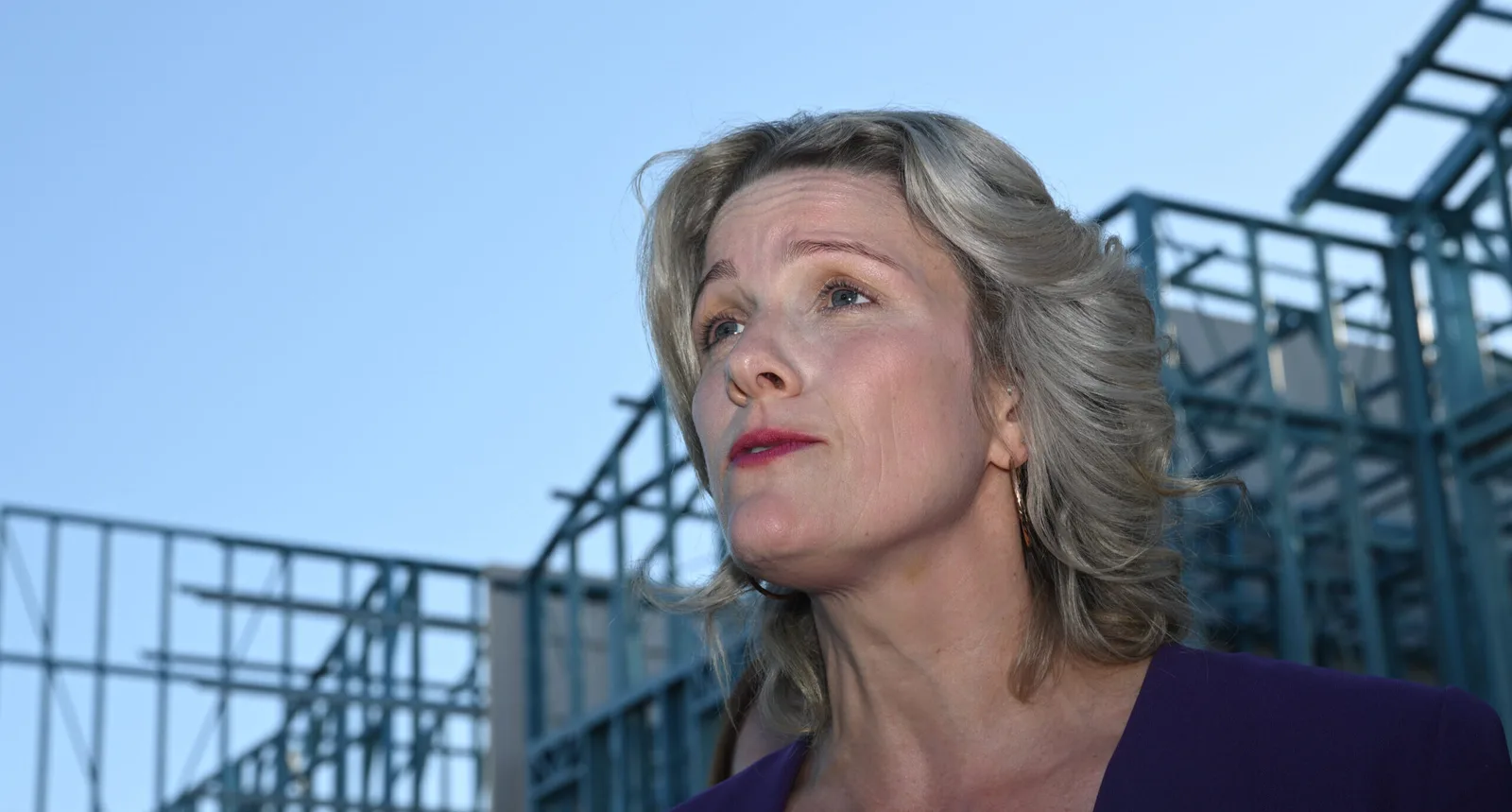
Housing Minister Clare O’Neil convened a meeting of construction industry leaders on Tuesday to discuss the impact of the supply chain disruptions on housing supply and construction costs.
“What’s happening in the Middle East isn’t abstract; it’s clearly having real impacts here in Australia and we’re staying closely engaged with industry to understand how we can support them to build more homes for Australians,” she said.
§ Airlines face closer monitoring as airfares set to rise
The Australian Competition and Consumer Commission said it was also stepping up its monitoring of airlines, with airfares set to increase as a result of rising jet fuel costs and the closure of routes through the Middle East.
“While market conditions will ultimately determine the cost of flying, we are closely monitoring price movements, market behaviour and the airlines’ representations to consumers and will act if there is behaviour that contravenes competition and consumer laws,” commissioner Anna Brakey said.