
Housing stress leading to increased chance of homelessness
Salvation Army finds when there are less properties available to rent or buy, prices are driven higher, placing stress on family budgets.
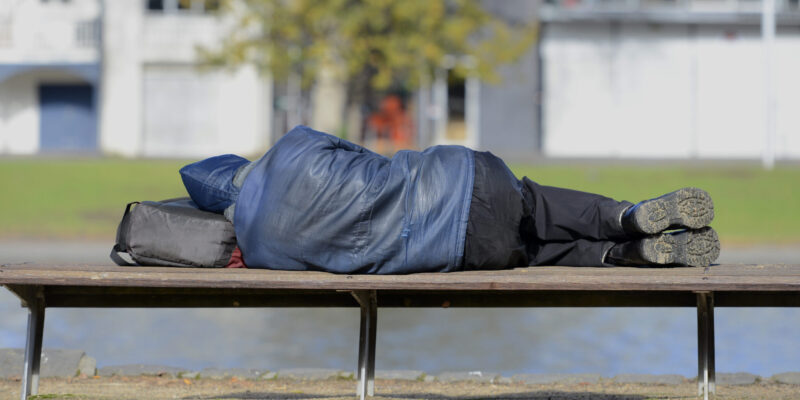
AUSTRALIA is experiencing a housing crisis, putting more people at risk of losing their homes and experiencing homelessness.
This may be due to mortgage or rent increases beyond a person’s capacity, a lack of affordable housing near employment or social housing waitlists that stretch for years, according to a report from The Salvation Army.
“Housing affordability is the most rapidly growing cause of homelessness in Australia, with the number of people stating housing affordability stress as a reason for seeking assistance rising from 19 per cent in 2013-14 to 36 per cent in 2023-24,” the report said.
“A household is considered to be in housing stress when it spends more than 30 per cent of its income on housing costs, a situation that is common for many Australians.
“The rising cost of living means more people are being stretched to the limit, struggling to cover rent or mortgage payments along with essential bills like electricity.”
The Salvation Army found there are less properties available to rent as the population has grown and international students and skilled/family migrants have returned to Australia post-Covid.
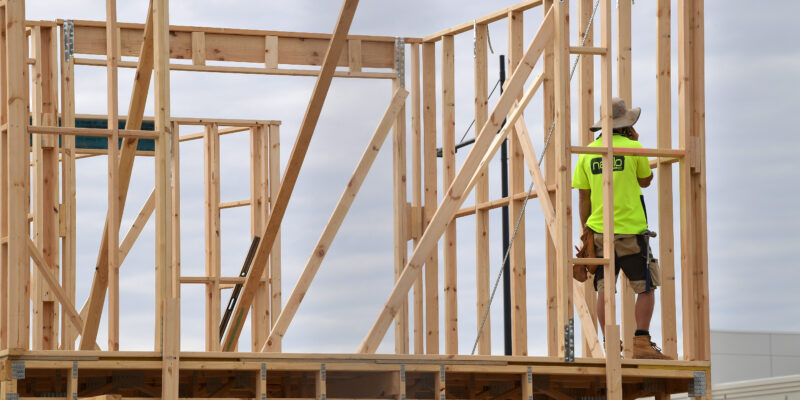
“The demand has not been met by new buildings due to high interest rates, difficulty obtaining supplies, higher building costs and low consumer confidence,” the report said.
“When there are less properties available to rent or buy, prices are driven higher, which continues to place stress on people’s ever-tightening budgets. This leads to a housing crisis.”
The Salvation Army sees first hand the impact of housing stress on individuals and families at their emergency relief centres.
“Whether it is people accessing support because they are financially vulnerable to experiencing homelessness, are facing a family crisis or are already experiencing homelessness, our services offer compassion, a listening ear and practical support for the road ahead.”
In May 2025, The Salvation Army’s Policy Research & Social Justice team released findings from a study among people who sought assistance from a Salvation Army Emergency Relief centre in the past 12 months to understand their situations.
The research revealed the following:
- Seven in 10 (71 per cent) of all respondents were experiencing housing stress, spending more than 30 per cent of their disposable income on housing, putting them at increased risk of housing instability and homelessness;
- Nearly one in three (32 per cent) respondents were unable to pay their rent or mortgage on time in the past year;
- Many private renters (37 per cent) and mortgage holders (25 per cent) were falling behind on their repayments and nearly three quarters (73 per cent) of those in arrears were behind by four weeks or more;
- Respondents reported that after paying for housing and essential household expenses, including groceries, medical expenses and various other bills, they were left with just $6 per week – or less than $1 per day – to save or spend;
- In the past 12 months, 25 per cent reported that experiencing homelessness was one of their greatest challenges; and
- For those currently experiencing homelessness, almost two in three reported that finding a safe, affordable and secure place to live was one of their greatest challenges in the past 12 months (65 per cent).
The Salvation Army Housing manages over 1900 properties throughout Australia, providing long-term housing and transition housing, as well as crisis and rooming house tenancies, supporting over 3000 people.