
How to get into the right headspace for challenges
The conveyancing and property sectors are navigating their way through the changes of 2026 and brace themselves for the possible flow-on effects in 2027. So, we asked executive coach to show how practitioners can become match-fit for way lay ahead.
CHALLENGES at work are inevitable but, while some people thrive when faced with curveballs, others falter.
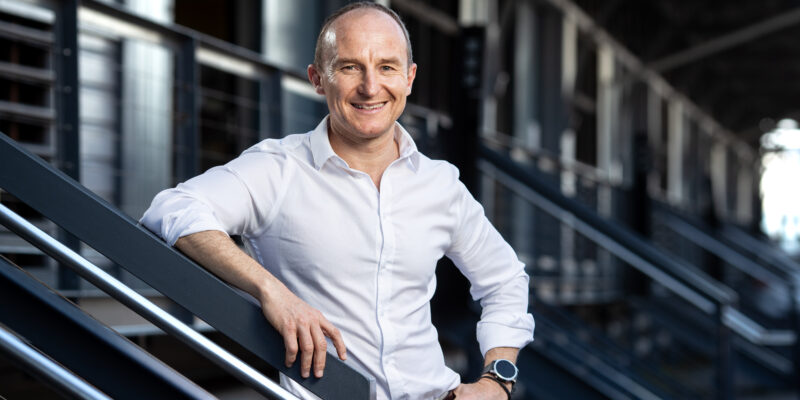
Our mindset plays a “massive” role in how we behave in the office, says Corporate Edge director John Colbert.
He has coached countless companies and leaders to perform better, from improving team effectiveness and navigating tricky workplace relationships to adapting leadership styles as responsibilities grow.
Colbert said mindset is largely shaped by unconscious beliefs formed through childhood, education and workplace experiences.
“We’re largely on autopilot, and that’s driven by belief systems formed over time, what we believe is true, right and the way to do things,” he said.
“To change any behaviour, you’ve got to challenge the beliefs.”
While some people have a “growth mindset” – seeing challenges as a chance to learn – others may be held back by a more limiting “fixed mindset”.
Thankfully, mindsets can change. Once people recognise the beliefs holding them back, they can choose a different way of thinking.
“We educate them to understand the way they think about something is a choice,” Colbert said.
Coaching begins by identifying the behaviour someone wants to change and why it matters. From there, it’s about uncovering the beliefs driving the behaviour and replacing those that no longer serve them.
“If there’s no clarity of what the change is, then you’re not sure what you’re working towards,” he said.
Colbert recommends, as a simple mindset exercise, replacing “but” with “and”.
Rather than saying: “I want to get fit but don’t have the time,” say: “I want to get fit, and I’m busy,” which naturally leads to asking, “so what needs to change?”
The shift encourages ownership and a focus on solutions rather than obstacles.
He also recommends starting the day with intention before looking at your phone. Set out a focus and a clear affirmation, and carve out time for wellbeing, like exercise.
This way, you have identified the one thing that will make the biggest difference that day, rather than reacting to others’ demands.
“The vast majority of human beings are the clearest of thought and mind and most ready to take on big challenges in the morning because we’re rested and refreshed,” he said.
Also, don’t let screen time creep into time meant for family, health and wellbeing.
Reading physical books and reflective handwriting also provide a break from digital life and sparks creativity, he said.
And taking time to express what you’re grateful for – achievements, relationships and opportunities – can build resilience and confidence for the next challenge.
Ultimately, Colbert said, mindset is a choice.
“Sometimes if the situation you’re in doesn’t look likely to change, you’ve got to change the way you’re looking at the situation.”
Key behaviours of highly effective people
- Clarify behaviour you want to change and why it matters
- Understand mindset is a choice
- Set your day’s focus before looking at your phone
- Know when to put your phone away and be fully present
- Practice gratitude