
Keep the faith or run the risk of return to high inflation
Reserve Bank needs to retain credibility as it battles to halt inflation and manage interest rates in tough climate.

Australia could be heading back to the runaway inflation of the 1970s and 1980s if people lose faith in the Reserve Bank, a top central bank official said.
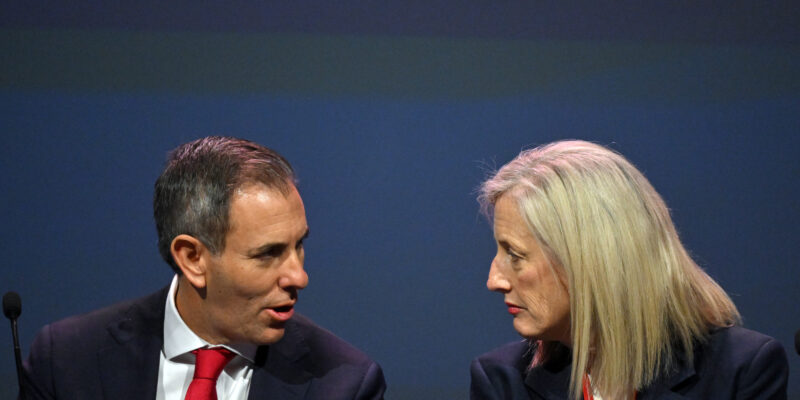
Speaking to a panel of economists during the International Monetary Fund spring meetings in Washington DC, Reserve Bank of Australia chief economist Sarah Hunter said managing inflation expectations had to be the bank’s “North Star” as it responds to the Iran war shock.
The RBA had managed to get inflation down post-COVID while keeping unemployment low only because inflation expectations remained anchored.
Even though inflation was spiking in the short term, households had faith the bank would get them back under control eventually.
“If we lose that, we go back to a world of the 1970s and 1980s, where it’s much more costly,” she said.
Headline inflation was at 3.7 per cent in February.
That’s higher than the Reserve Bank’s 2.5 per cent target but still far lower than the 17.7 per cent peak in 1975 or the 1982-83 recession, when inflation exceeded 12 per cent.
However, consumers were still recovering from the post-COVID inflation spike, when price growth peaked at 7.8 per cent – the highest level since the RBA began targeting inflation in 1993.
Adding to the bank’s dilemma was the income shock households were facing as a result of the energy crisis, which will slow growth and put more people out of work.
Stagflation is a “central banker’s nightmare”, as RBA deputy governor Andrew Hauser said in a separate speaking event in Washington this week.
“We do have to balance these two things but, at the end of the day, that credibility is absolutely vital,” Hunter said.
Credibility was especially at risk in a world where economic shocks were increasingly frequent and inflation was a constant challenge, she said.
A survey of 828 company directors conducted by Roy Morgan found 41 per cent believed current interest rate levels would cause a major uptick in insolvencies, while almost nine in 10 expected business costs to rise.
“While productivity concerns still dominate, the fuel and energy crisis unfolding as a consequence of the Middle East conflict will only intensify the challenges being felt in the economy,” Australian Institute of Company Directors chief economist Mark Thirlwell said.
HSBC chief economist Paul Bloxham expects the central bank to hike the cash rate again at its May meeting.
But beyond then, the stalling economy might do the bank’s disinflationary work for it, he said.