
More house price falls on cards as rates squeeze buyers
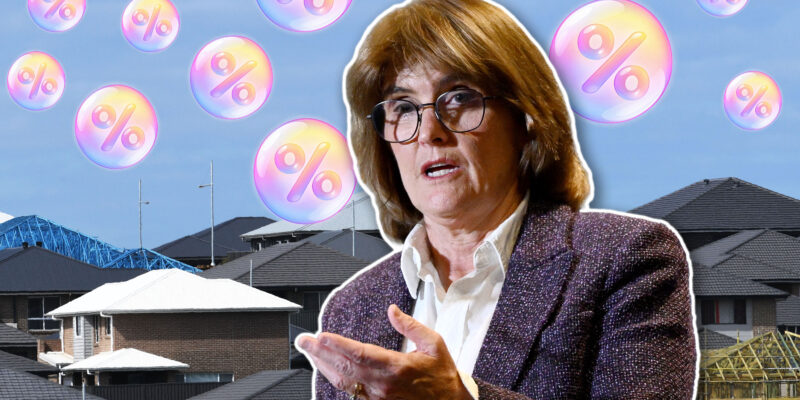
While not yet in uncharted territory, Australia's housing market is in for a hiding from higher interest rates, lower borrowing capacity and tax changes.
HOUSE prices are now likely to fall further and for longer than they have in previous property market downturns, according to economists.
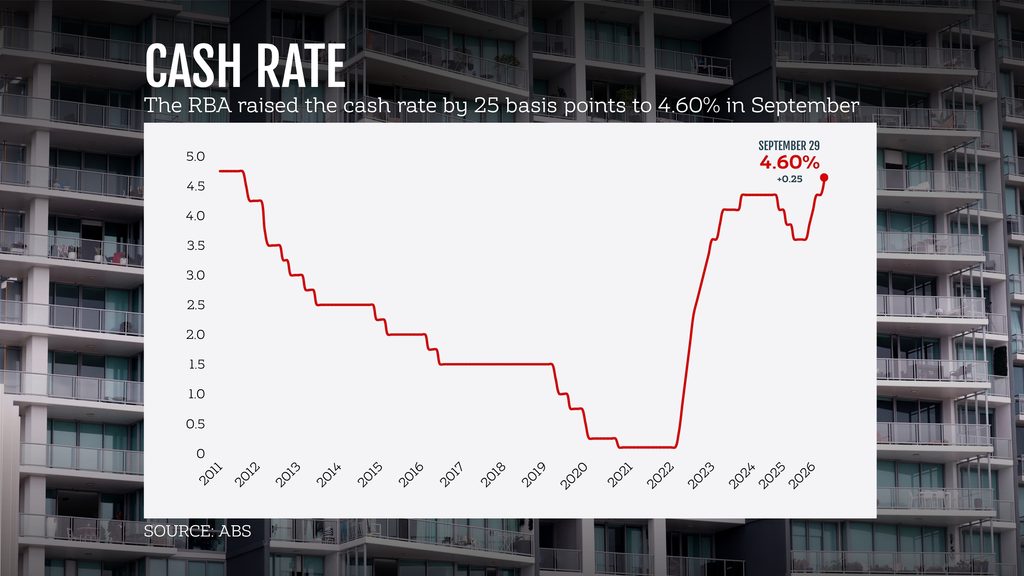
The forebodings came shortly after the cash rate was increased to 4.6 per cent – its highest level in nearly 15 years – in an unsurprising decision by the Reserve Bank on Tuesday.
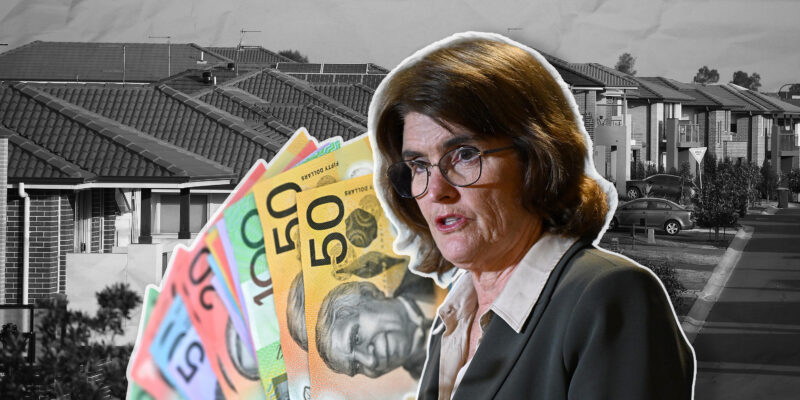
It’s the fourth rate rise this year, pulling monthly interest repayments for the national average mortgage up more than $450 since the start of 2026.
More hikes could be on the way, the RBA said.
Home buyers also now have $90,000 less borrowing capacity compared to February, according to housing data firm Cotality.
While mortgage holders have had to contend with higher interest rates in the past, this time it’s different, the firm’s head researcher Tim Lawless told Australian Associated Press.
The combination of tighter wallets, cost of living and tax tweaks was likely to bring the length and depth of the housing downturn closer to uncharted territory, he said.
“Household indebtedness is much more significant now than it was back in 2011, so households feel the pain of interest rate hikes much more acutely,” he said.
When interest rates last hit this level in 2011, the average homeowner spent slightly more than one third of their income on servicing their mortgage – now it’s more than half.
“It just really adds a bit more fuel to this downturn,” Mr Lawless said.
National dwelling values have already dipped 3.1 per cent in the three months to the end of August, Cotality has found.
The May budget’s removal of tax concessions for investors also added to the downturn, but Mr Lawless said successive rate hikes were helping spread price falls further down the property ladder.
“As interest rates progressively rise, we will see the downturn becoming much more broad-based,” Mr Lawless said.
Reserve Bank governor Michele Bullock signalled lower house prices were a way of interest rates working “through the system” to keep a lid on inflation.
“That sort of affects people’s wealth, it affects how they feel, it might affect the share market again … so that can affect consumption,” she told reporters at her post-decision press conference in Sydney.
But higher interest rates also made housing construction more expensive and less viable, impacting the flow of new homes.
“Even if (housing) affordability is improving now … longer term it’s likely to lead to more expensive housing,” Ray White chief economist Nerida Conisbee said.
“The cost of (builders’) materials is going to continue to increase rapidly; fuel is going to increase rapidly, and then they start to price that into quotes.”