

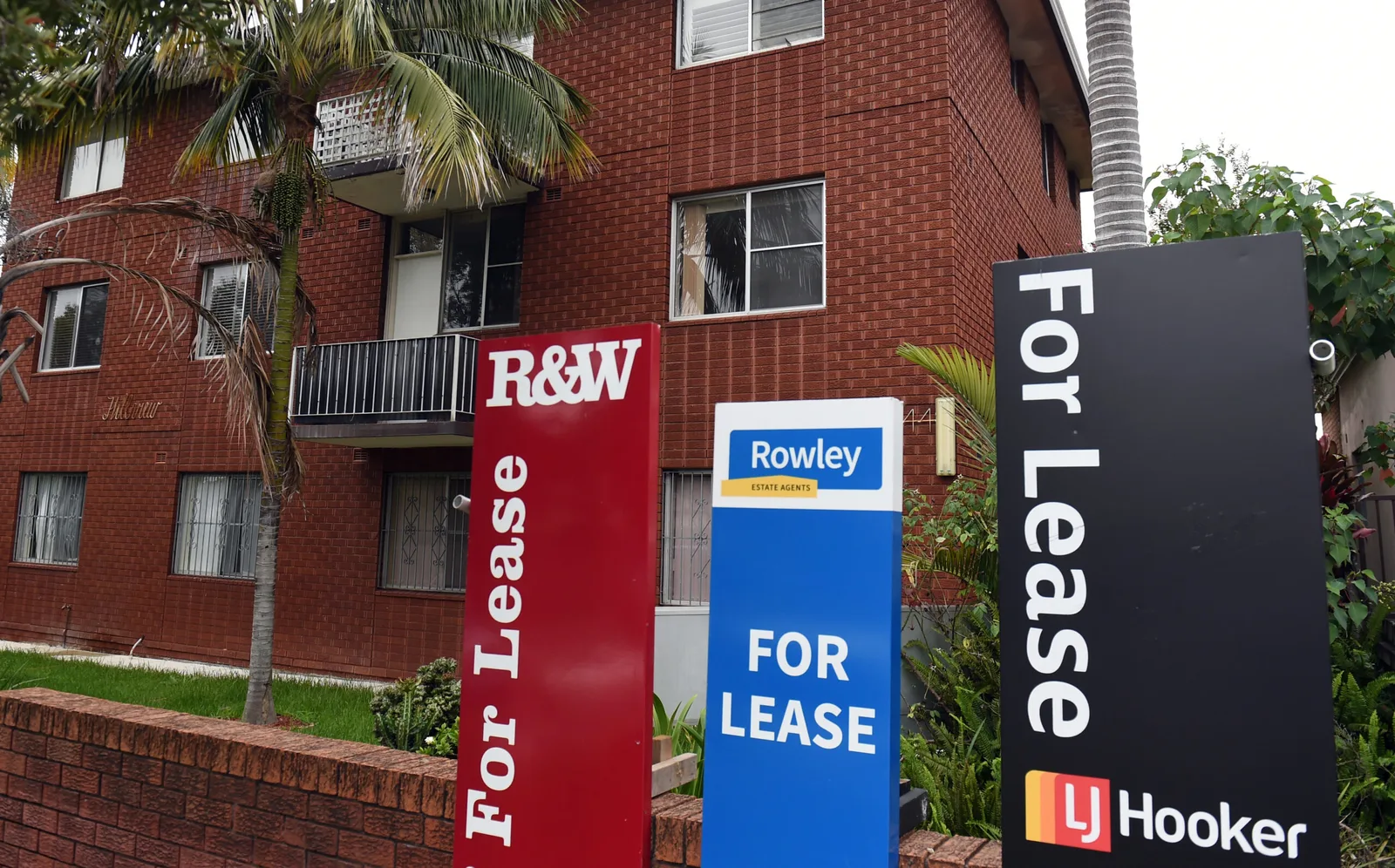
Private landlords, commonly known as “mum and dad” investors, are having a more malignant impact on renters than their fluffy moniker suggests.
Australia’s housing market is exceptionally dominated by individual landlords, because of a combination of low investment in social housing and a lack of large-scale, commercial “build-to-rent” providers, says University of Queensland economics professor John Quiggin.
The private landlord model was “unsatisfactory in multiple respects”.
§ Tax concessions and limits on secure long-term tenancy
He says tax concessions, including negative gearing and the capital gains tax discount, incentivise individual landlords.
This model ultimately relies on the owner selling the rental property to realise a capital gain, or else move in following a decision to downsize or relocate.
“This limits any prospects of secure long-term tenancy,” Professor Quiggin argues in a submission to a parliamentary committee examining how the financial system is helping or hindering Australians own a home.
“Individual landlords differ greatly in their willingness to treat tenants with appropriate respect, undertake necessary repairs and so on.
“Similarly, some tenants are careful of their homes, pay rent promptly and so on, while others do not. The attempt to devise general rules that apply to this multitude of individual relationships is inherently problematic.”
§ Expanding build-to-rent and social housing
Encouraging the development of a build-to-rent sector was highly desirable, Prof Quiggin said.
But current settings mean the sector would inevitably focus on high-end buyers, so this must be accompanied by an expansion of social housing to enable more opportunities for low-income households.
Social housing accounts for about four per cent of Australian households, compared to 17 per cent in the UK and almost a quarter in Austria.
§ Build-to-rent tax incentives face Senate opposition
Build-to-rent is more common in countries such as the UK and the US than in Australia, where it has been basically non-existent until recently.
The Albanese government is trying to introduce tax incentives for the asset class to make it more competitive but has faced a roadblock in parliament, with the coalition and the Greens opposing it in the Senate.
Advocates say build-to-rent offers tenants greater stability, with longer leases and typically less chance of the dwelling going up for sale or the investor deciding to live in it.