
Affordability continue to slide – report
Council delivers six key priorities to improve housing reform including increased investment in social housing.
Australia needs homes that are affordable, fit for purpose and secure, for all households, of all incomes and in all locations.
That is the premise of the State Of The Housing System Report, released on Thursday by the National Housing Supply and Affordability Council.
“Access to housing is fundamental to economic participation, wellbeing and social inclusion,” the report said.
“For too long, Australia’s housing system has worked for some Australians rather than for all Australians.”
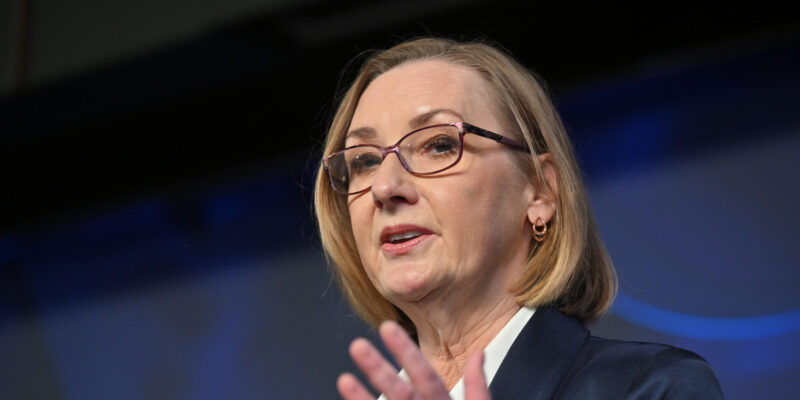
Susan Lloyd‑Hurwitz, chair of the Council said: “The issues examined in this report — housing supply and demand, affordability and the housing outcomes of various cohorts — remain central to the prosperity of future generations.”
The report highlights that the outlook for housing supply has been improving across some dimensions.
Recent approvals and commencements were higher compared to the period before the Housing Accord, house construction timeframes declined and implementation of reforms, including around rezoning and planning, is seen around the country.
Nonetheless, challenges persist. Affordability continues to deteriorate.
The share of median household income needed to pay the rent under a new lease rose to an all-time high of 33 per cent, the number of years required to save for a mortgage rose to 11.2 years and the share of median household income needed to service a new mortgage remained elevated at 45.9 per cent.
Prior to the recent conflict in the Middle East, the Council was estimating around 980,000 new homes could have been expected to be delivered in the Accord period.
That is 42,000 more than was forecast in the 2025 report. The Council also forecast that the target of 1.2 million new homes would be met by September 2030, just over a year beyond the Accord period.
However, the report said the conflict in the Middle East now brings heightened uncertainty to the outlook for housing supply.
“Higher fuel prices are already impacting the sector and placing pressure on the operation of many businesses,” the report stated.
The Council’s report provides scenarios illustrating the potential downside impacts of higher construction costs caused by the conflict and notes that there is further downside risk to those estimates.
Impacts on housing conditions are still highly uncertain and will depend on the scale and length of disruptions to commodity prices and supply chains, economic conditions and sentiment.
Current events highlight the importance of continuing to boost the responsiveness and resilience of housing supply.
The report sets out the Council’s six key priority areas for housing reform.
First, increasing investment in social and affordable housing beyond the current programs including the Housing Australia Future Fund and the Social Housing Accelerator. A longer-term approach for sustainable investment in the sector is the next step.
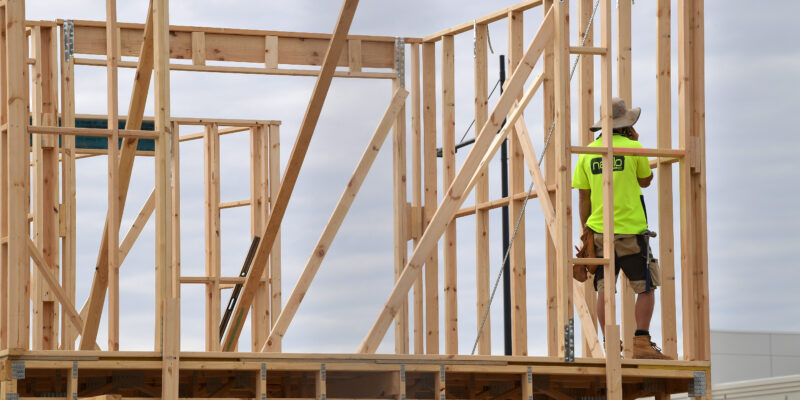
Second, construction sector capacity and productivity needs to improve.
Third, best practice principles should be applied to planning systems, including ensuring growth is supported by enabling infrastructure.
Fourth, governments should continue taking co-ordinated action to improve the quality and security of housing for renters.
Fifth, the Council supports the review and reform of elements within the tax system that distort the housing market and limit the efficient exchange of housing stock.
And sixth, continued focus on First Nations housing is required. Housing indicators are significantly worse for First Nations people, who experience lower rates of home ownership and higher rates of overcrowding and homelessness compared to non‑Indigenous people. The Council encourages further effort to close the gap in housing outcomes for First Nations people.
The report also presents a new Housing Outcomes Framework.
The Framework provides a comprehensive set of indicators across eight key outcomes aligned to the Council’s vision for a housing system that provides affordable, fit for purpose and secure housing for households of all income and in all locations.
“Structural reform is difficult. It requires cooperation across all levels of government, industry and the for-purpose sector,” Lloyd-Hurwitz said.
“Ensuring that Australia’s housing system provides the amount of housing we require means continuing to focus on improving supply and remaining cautious about introducing any demand side policies which generally only serve to push prices up.
“As gradual as it can sometimes seem, the report demonstrates that we have made progress but that there is much more work to be done.”