
Rate rise does little to release pressure on housing
Uplifts in cash rate 'make new housing development less viable when Australia already has a significant shortage of housing'.

A LEADING economist says higher interest rates are “poorly placed to solve” the continuing pressures on the housing market.
Ray White Group chief economist Nerida Conisbee said housing continues to complicate the inflation story.
“Housing costs increased by five per cent over the year to July,” Conisbee said.
“New dwelling prices rose by 5.7 per cent as builders passed through higher labour and materials costs, while rents increased by 3.6 per cent.
“These are pressures that higher interest rates are poorly placed to solve.”
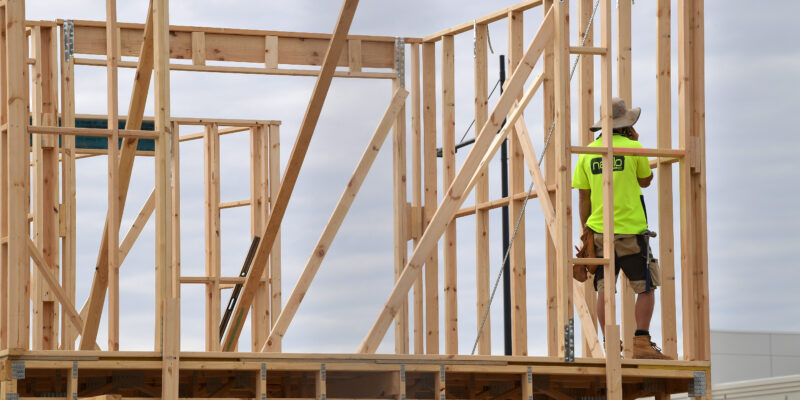
She said higher rates can reduce household demand but they do not reduce construction costs, increase the number of trades people or deliver more homes.
“They can also make new housing development less viable at a time when Australia already has a significant shortage of housing,” she added.
For the established housing market, another rate increase will add to the downturn already underway.
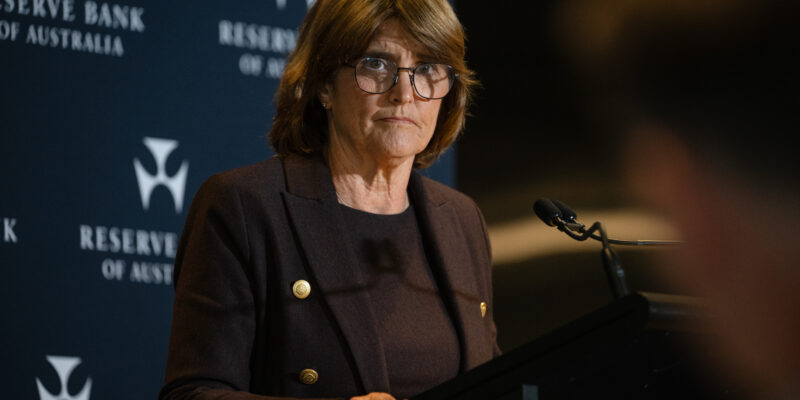
“The RBA has acknowledged that housing prices and activity have weakened by more than it previously expected, reflecting the combined impact of higher rates, the Federal Budget changes and weaker sentiment,” Conisbee said.
“A cash rate of 4.6 per cent will further reduce borrowing capacity and increase repayment pressure, while rising unemployment is likely to add another layer of caution for buyers.”
The increase does not, however, make further rate rises inevitable.
“The RBA is now dealing with much greater tension between inflation and the labour market,” Conisbee said.
“If inflation remains persistent, another increase is still possible.
“But if unemployment continues to rise and employment conditions weaken further, the case for additional tightening will become much harder to make.
“The next few inflation and labour market releases will therefore be critical in determining whether 4.6 per cent is the peak or whether rates need to move higher again.”