
‘Self-fulfilling’ inflation expectations risk recession
Australia could face a recession if businesses fail to keep their inflation expectations anchored, the central bank has warned.
AUSTRALIAN businesses and consumers have been urged to keep their inflation expectations in check as the Reserve Bank warns “self-fulfilling prophecies” may lead to a recession.
Conflict in the Middle East has shocked economies, disrupting oil and gas markets and driving inflation in Australia and elsewhere.
It is costly for businesses to change their prices every time expenses increase, which leads many to try account for future expected costs when setting prices in the present.
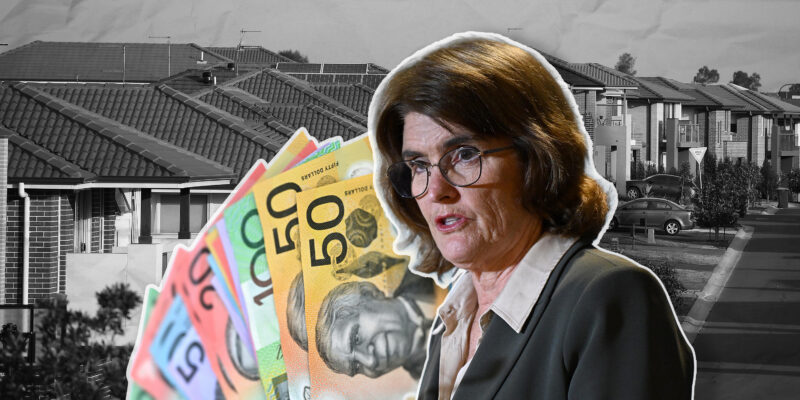
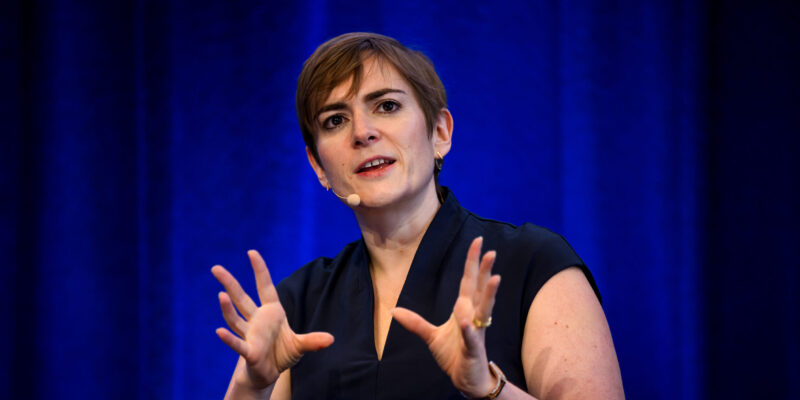
But the RBA’s chief economist Sarah Hunter, speaking at the Bloomberg Forum in Sydney, warned inflation expectations must be kept tethered.
“If businesses and households expect high future inflation, this can become a self-fulfilling prophecy as these expectations get baked into contracts for goods, services and wages,” she said on Tuesday.
“It becomes harder for central banks to bring inflation back to this target as it must bring expectations back down and restore the balance between supply and demand.
“Doing so may require a more substantial slowing of economic activity, as we saw during the early 1990s recession.”
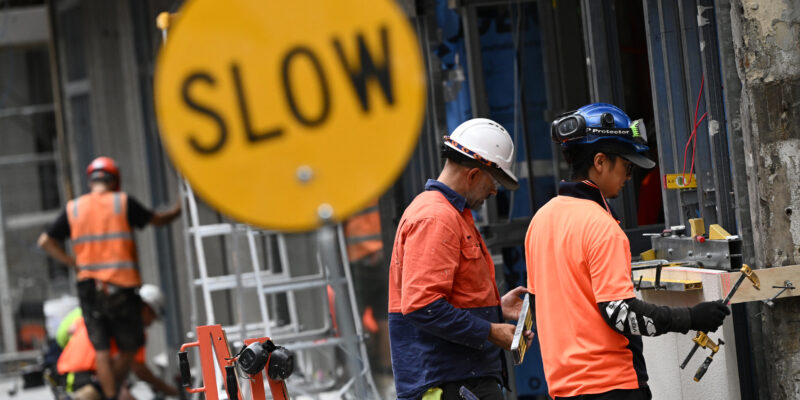
The RBA has forecast that businesses will pass on higher costs to consumers and noted that some construction firms are already reviewing prices for new contracts.
As a result, it has revised its forecast for underlying inflation, with oil price shocks expected to contribute 0.4 percentage points in the March quarter 2027.
But as the central bank expects a resolution to the Middle East war and an easing of domestic capacity pressures, underlying inflation is then expected to ease, and headline inflation would fall due to declines in oil and travel prices.
Inflation is expected to fall to the middle of the RBA’s target band of two to three per cent by early 2028.
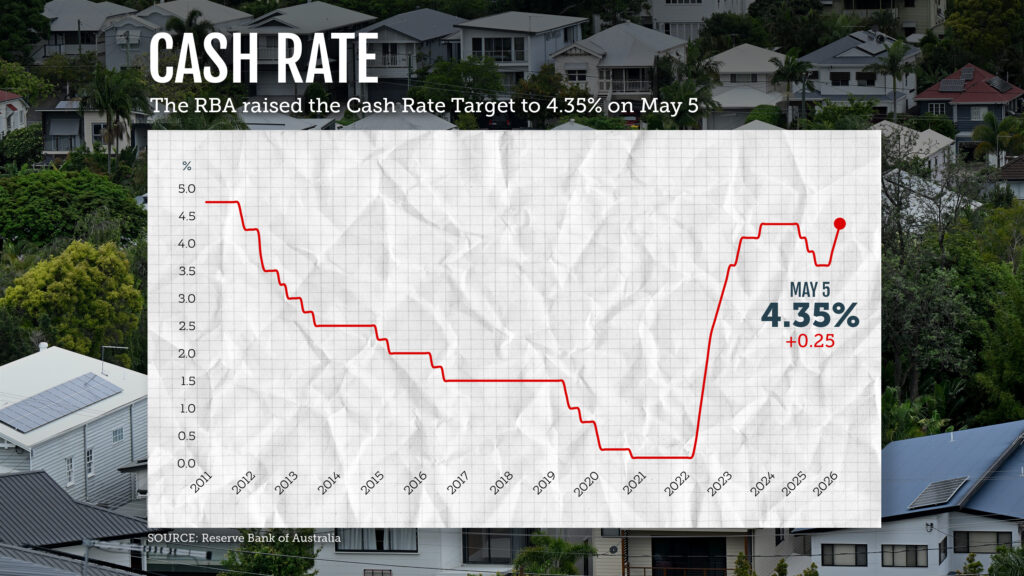
For now, the central bank has already raised the cash rate three times in as many months.
Though money markets were pricing in at least one more rate rise by November, they rated the chance of a June hike at less than one-fifth.
Ms Hunter acknowledged it was a challenging time for Australian households.
“We can’t do anything about this shock, it literally comes to us from overseas, it’s not something we have in our control,” she said.
“When we use the interest rate, it is a blunt tool that affects different people in different ways.
“We are just trying to get inflation down, that would benefit everybody once we manage that, so that’s the north star for us.”
The economist spoke after Treasurer Jim Chalmers took to the stage to defend his government’s budget.
Released a week ago, the budget has attracted blowback from the big end of town over changes to investor tax breaks and the use of trusts to minimise tax.
But Dr Chalmers insisted it would more accurately compensate investors for inflation, reduce “distortions” that would be harmful to the economy, and ultimately help in the fight against inflation.
“What we’ve deliberately done here is recognise that when you make important economic reform in this country, you’re always going to get a hard time politically,” he told the forum.
“But what matters more to us than the political turbulence from day-to-day or one opinion poll to the next, is to make sure that we get some of these longer-term settings right in our economy.”
The RBA is still digesting the budget, and Ms Hunter said it will be factored into the bank’s next set of forecasts.
NAB head of Australian economics Gareth Spence said the budget stance was broadly neutral over the 2026/27 financial year and slightly eased demand over the subsequent three years.
“This will of course depend on the forecasts being realised, with the current year having been more stimulatory than expected at this time last year,” he said in a research note.